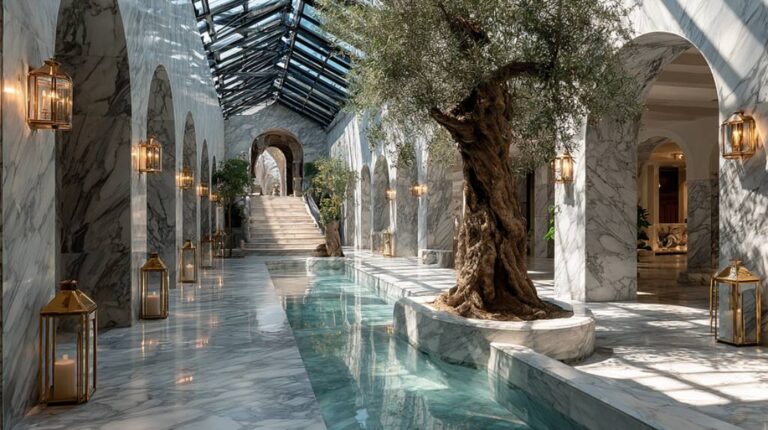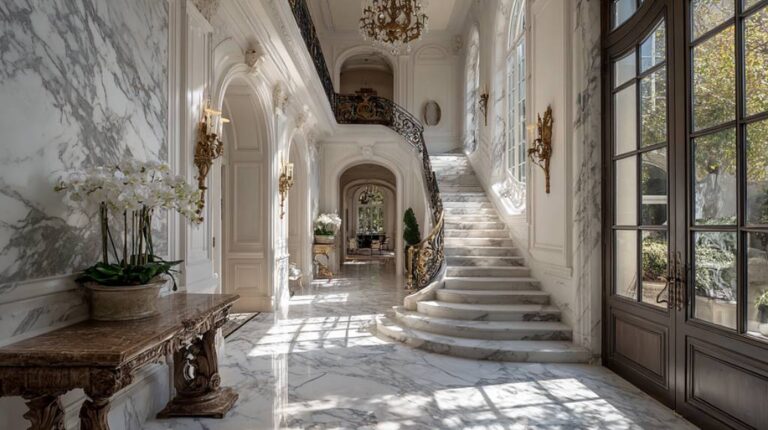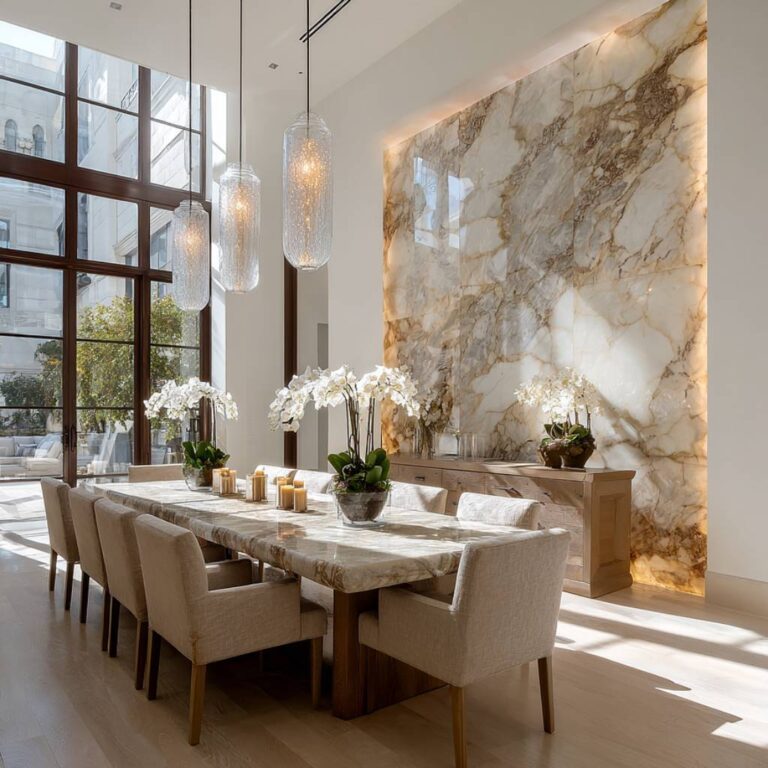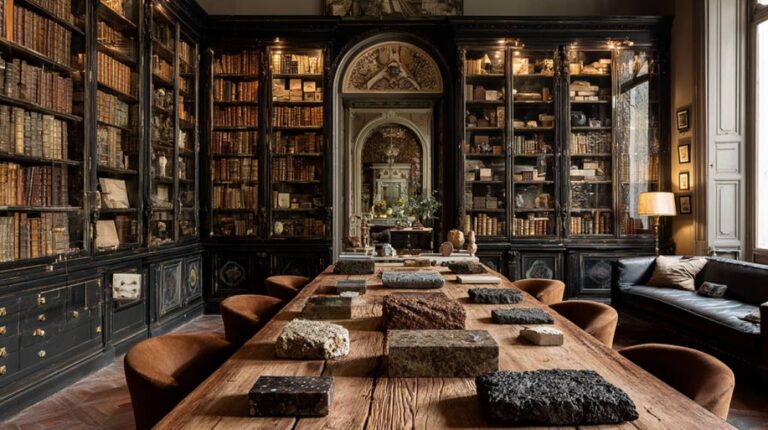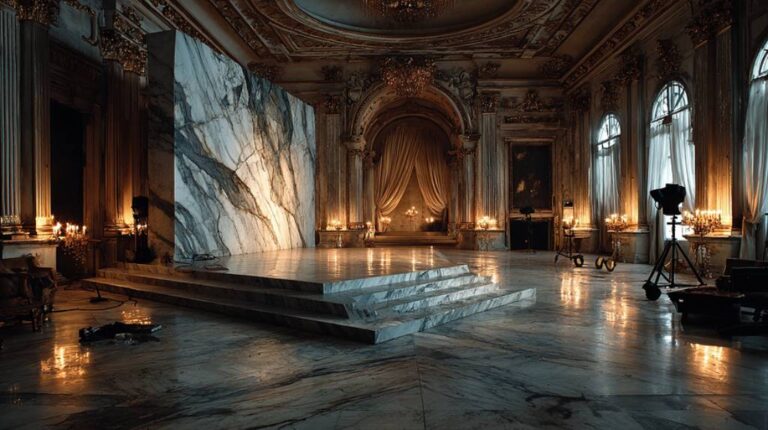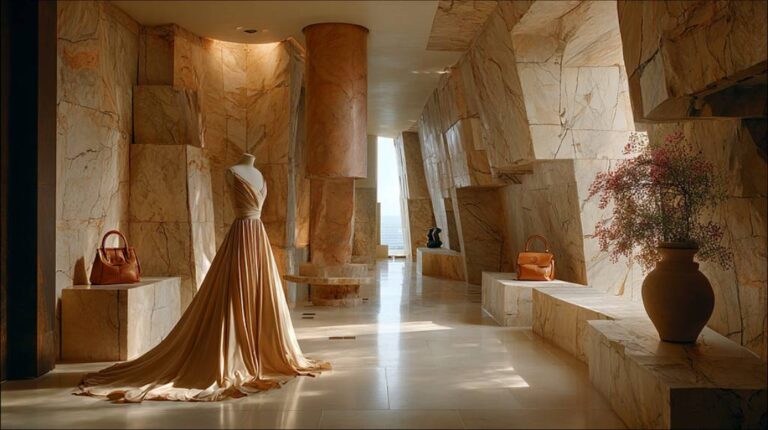
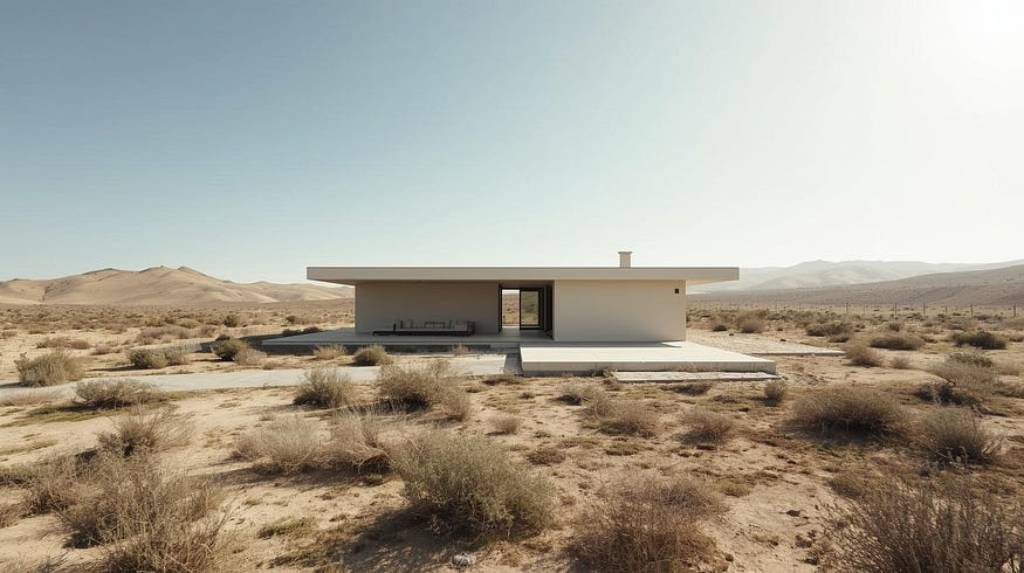
Contemporary luxury homes increasingly exist within a visual language that appears detached from geography. Pale surfaces, restrained palettes, and purified geometries repeat across cities that differ profoundly in climate, history, and culture. This aesthetic, often described as international style or global minimalism; offers calm, clarity, and immediate recognition. Yet beneath its elegance lies a quieter tension: when refinement becomes visually universal, what happens to regional memory?
Regional memory is not nostalgia.
It is the accumulated intelligence of place like materials shaped by terrain, construction methods refined by climate, and spatial rituals formed through generations of living. Long before design became globally mobile, homes emerged from these conditions almost instinctively. Stone followed geology. Timber reflected forests. Courtyards negotiated heat and privacy. Architecture did not simply occupy land; it interpreted it. The result was difference that felt natural rather than decorative.
The rise of international style reflects powerful contemporary forces.
Global mobility encourages environments that feel familiar across borders. Digital imagery circulates interiors without context, privileging composition over geography. Supply chains standardize finishes, making the same materials available almost everywhere. Under these conditions, neutrality becomes a form of convenience. A house that belongs everywhere avoids the risk of belonging too specifically anywhere.
Yet convenience can dilute meaning.
When homes no longer register the character of their surroundings, they risk becoming culturally silent. Their calm perfection offers comfort, but little narrative. One may admire proportion and light without sensing continuity with land or history. Luxury shifts from rooted presence to portable atmosphere; refined, yet strangely weightless.
Regional material culture, in contrast, carries intellectual depth.
Materials drawn from local geology or craft traditions contain embedded knowledge: how a surface weathers in monsoon air, how thickness moderates desert heat, how joinery responds to seasonal movement. These are not merely technical solutions; they are cultural expressions. To build with such materials is to participate in a lineage of understanding that extends beyond the present moment.
In this sense, regional memory functions as a quiet form of resistance.
Not resistance through spectacle or revivalism, but through attentiveness. Choosing materials and spatial logics rooted in place challenges the assumption that global sameness equals sophistication. It asserts that refinement can emerge from specificity rather than neutrality. Such resistance is intellectual before it is aesthetic; it preserves ways of knowing embedded in landscape and craft.
Importantly, this does not require rejecting contemporary minimalism.
Restraint, proportion, and clarity remain powerful tools of design. The question is whether they operate in isolation from context or in dialogue with it. When minimalism engages regional material culture, something subtle changes. Calm acquires depth. Simplicity gains memory. The space feels both contemporary and continuous; modern in form, yet ancient in resonance.
Examples of this synthesis are increasingly visible.
Architects in diverse regions are reinterpreting vernacular construction through disciplined geometry rather than imitation. Local stone appears in precise, modern planes. Traditional courtyards return as climatic devices rather than stylistic gestures. Craft is refined rather than displayed. These projects do not romanticize the past; they extend it. Regional memory becomes a living intelligence rather than a historical reference.
Such work also reframes the meaning of luxury.
If international style signals mobility and global belonging, regionally grounded design signals permanence. It suggests commitment to place, patience with climate, and respect for inherited knowledge. This orientation introduces responsibility into architecture. A home is no longer a neutral container of lifestyle, but a participant in cultural continuity.
There is a psychological dimension as well.
Spaces shaped by regional memory often feel calmer, not because they are minimal, but because they are resolved within their environment. Light behaves as expected. Materials age naturally. Proportions echo surrounding landscapes. The inhabitant senses coherence rather than abstraction. Belonging becomes experiential rather than symbolic.
The future of contemporary homes may therefore depend on reconciliation rather than opposition. International clarity and regional memory need not conflict. A house can be globally legible yet locally grounded. What matters is the sequence of thought: whether design begins with universal image or with situated understanding. When it begins with place, universality becomes deeper rather than flatter.
Ultimately, the question is not stylistic but cultural.
Will luxury continue toward increasing neutrality, or rediscover meaning through specificity? Regional material culture offers one possible answer. By grounding architecture in memory, it restores narrative to refinement and continuity to beauty.
In an age of visual sameness, such grounding may be the most subtle; and most necessary form of resistance.