For nearly two decades, luxury architecture pursued lightness as its highest virtue.
Glass replaced walls. White replaced pigment. Edges dissolved. Structures appeared to float. The ideal home became transparent, frictionless, dematerialized. Weight, both literal and symbolic, was treated as something to overcome.
Lightness was not just an aesthetic. It was an aspiration.
It signalled modernity, efficiency, global mobility. It suggested a life unburdened by history. The glass house on the cliff, the white pavilion in the desert, the seamless interior washed in pale minimalism, these became visual shorthand for success.
But cultural aspirations shift.
And increasingly, lightness feels insufficient.
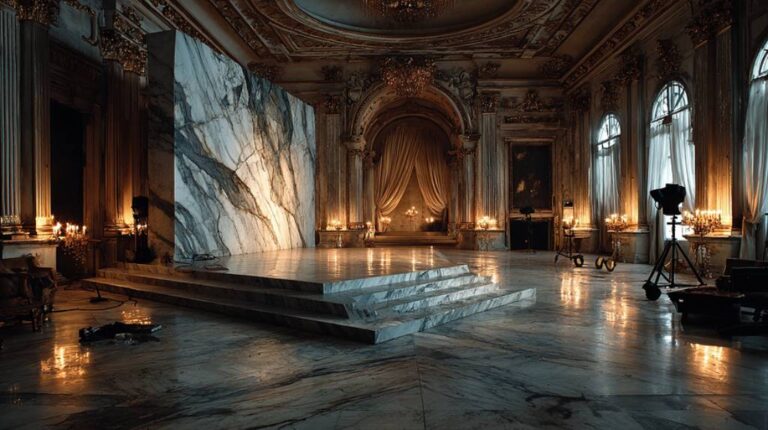
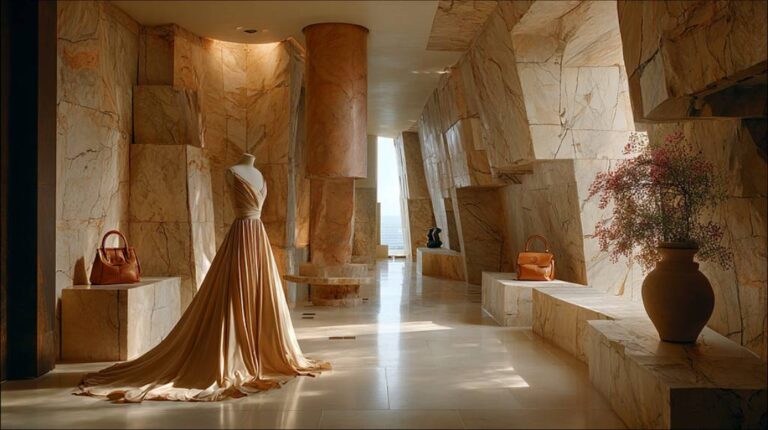
The global appetite for transparency and airiness is giving way to something denser. Heavier materials are returning. Interiors are darkening. Textures are deepening. Architecture is rediscovering gravity and not merely as a structural necessity, but as a cultural statement.
This is not regression. It is correction.
The fatigue with glass and white minimalism is not purely aesthetic; it is psychological. In a world saturated by digital light like screens, endless scroll, ephemeral images, physical weight has become grounding. Where once transparency symbolized progress, it now risks feeling exposed, unstable, even transient.
Lightness began to resemble impermanence.
Glass façades promised openness but often delivered fragility. White interiors offered purity but frequently lacked emotional depth. Spaces designed to dissolve boundaries sometimes dissolved character instead.
As economic, political, and environmental uncertainties intensify globally, architecture is responding. It is reasserting enclosure. It is reintroducing mass.
Weight, in this context, signals assurance.
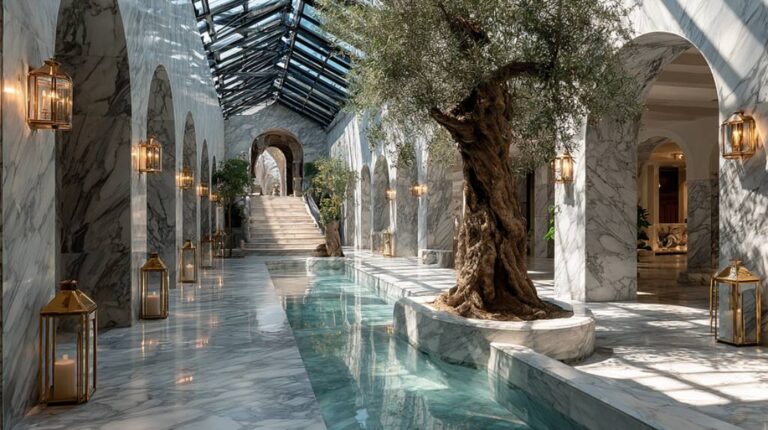
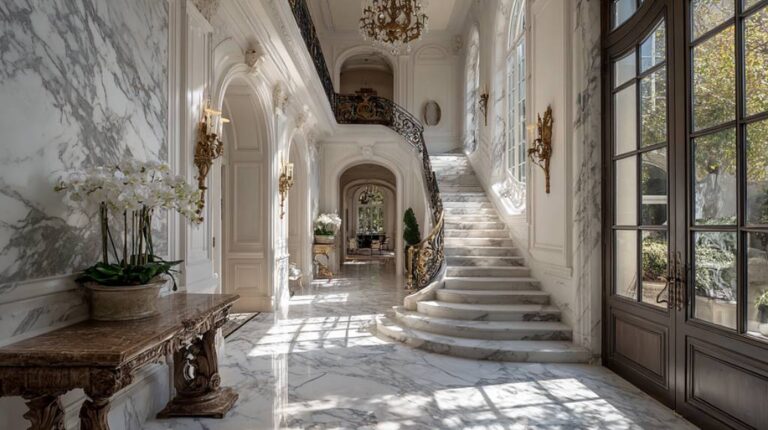
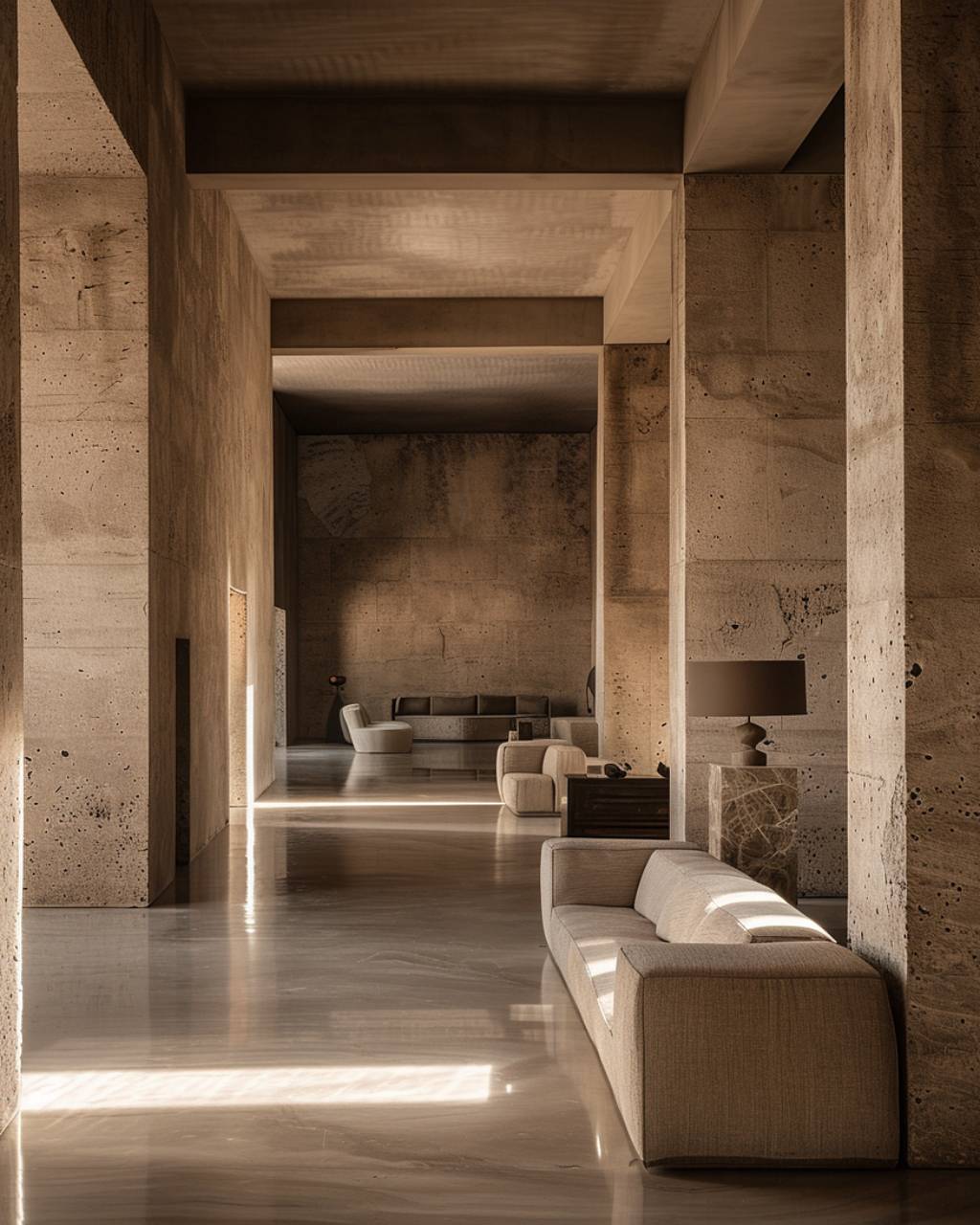
A dense wall carries authority. A thick threshold implies protection. A stone surface that absorbs light rather than reflecting it communicates permanence. These qualities are not merely tactile; they are cultural.
Luxury has always mirrored collective psychology.
During eras of expansion and technological optimism, lightness dominates. During periods of introspection or instability, gravitas returns. Today’s architectural shift toward density reflects a broader desire for anchoring, for environments that feel grounded rather than provisional.
Stone, though rarely framed explicitly as ideology, has become central to this recalibration.
Not because it is fashionable, but because it embodies resistance to speed.
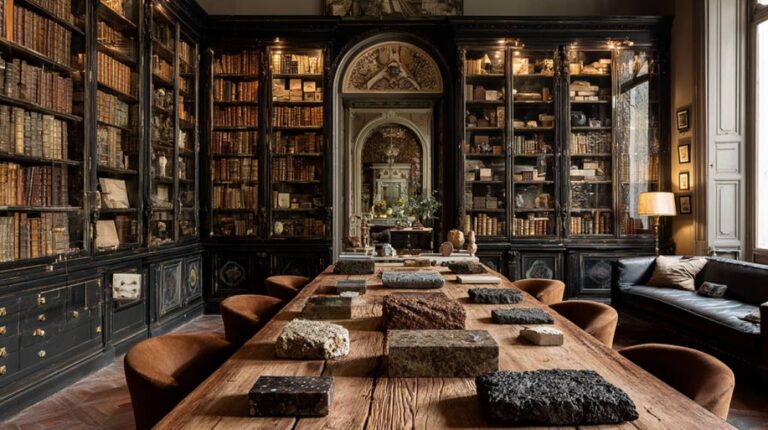
Unlike glass, which dissolves boundaries, stone asserts them. Unlike white minimalism, which erases depth, mineral surfaces accumulate it. They hold shadow. They reveal grain. They respond to time.
Weight communicates endurance.
There is a quiet power in walking across a floor that does not flex or shimmer. In touching a wall that absorbs temperature rather than transmitting glare. In inhabiting a space that feels materially rooted.
This sensory experience counters the intangible nature of contemporary life.
We exist increasingly in digital abstraction. Wealth circulates as data. Communication occurs in pixels. Identity is curated through screens. Against this immaterial backdrop, the physicality of architecture becomes psychologically significant.
Density reassures.
The return of weight is also a rejection of homogeneity. Glass and white minimalism, for all their elegance, became globally interchangeable. A penthouse in Singapore resembled one in London. A villa in Miami mirrored one in Dubai.
Weight restores locality.
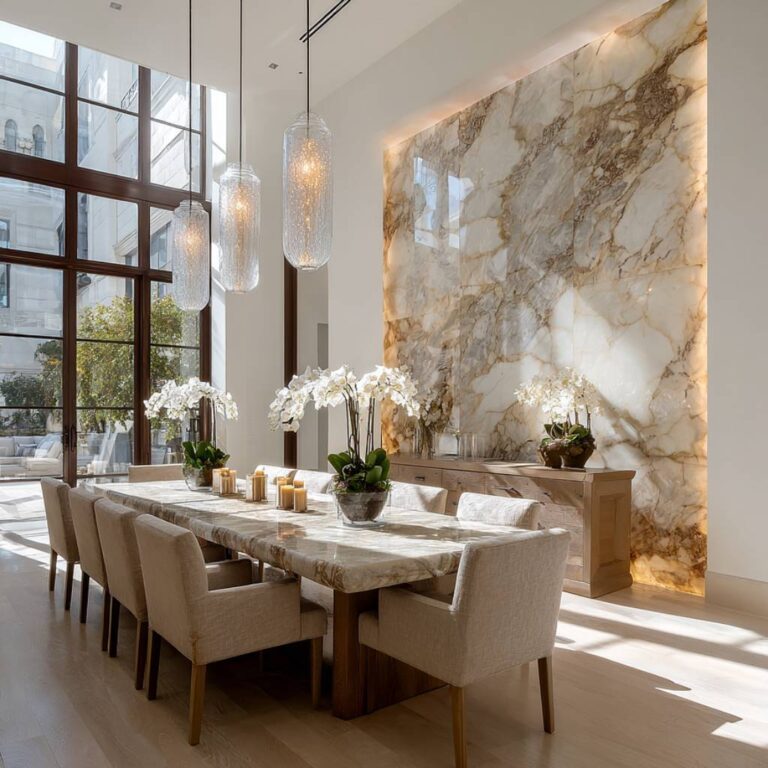
Dense materials carry geological specificity. They belong somewhere. Their tones are rarely pure white; they are sedimented, layered, imperfect. This imperfection is not flaw but character.
Luxury, in its current evolution, is moving away from frictionless perfection toward textured permanence.
Gravitas does not seek attention. It commands it.
This cultural shift is visible not only in residential architecture but in hospitality, retail, and cultural institutions. Heavy stone plinths, thickened walls, monolithic counters, these elements signal seriousness. They imply longevity beyond trend cycles.
Lightness once signified aspiration because it suggested transcendence, the ability to float above the constraints of the material world. Today, aspiration looks different. It looks stable. Rooted. Durable.
Ultra-high-net-worth individuals, particularly those building generational homes, are less interested in spectacle than in continuity. They seek environments that will age without requiring reinvention. That can absorb time rather than demand renewal.
Weight is compatible with inheritance.
A glass box may photograph beautifully. A stone volume may endure.
This is not to romanticize heaviness as inherently superior. Transparency retains value. Light remains essential. But the cultural hierarchy has shifted. Lightness is no longer the pinnacle. It is one register among many.
The most compelling contemporary projects balance luminosity with mass. They allow light to strike surfaces that hold it rather than erase it. They combine openness with enclosure.
In doing so, they reintroduce tension and tension creates depth.
The return of weight is not about abandoning modernism. It is about maturing it.
Modern architecture’s early fascination with lightness was radical and necessary. It challenged ornament, redefined structure, liberated plan. But every movement, when prolonged, risks becoming mannerism. When white becomes default and glass becomes expectation, rebellion lies in thickness.
Thickness suggests commitment.
To build in heavy materials is to declare confidence in permanence. It implies that the structure is not provisional. It will not be easily replaced. It will not dissolve into the next trend.
In a time defined by volatility, that declaration resonates.
Luxury, at its most sophisticated, always anticipates the next cultural inflection point. Today, that inflection favors substance over spectacle.
The return of weight signals a recalibration of values.
Not less light, but more gravity.
Not less elegance but more depth.
In architecture, as in culture, aspiration evolves.
And right now, aspiration feels heavier.