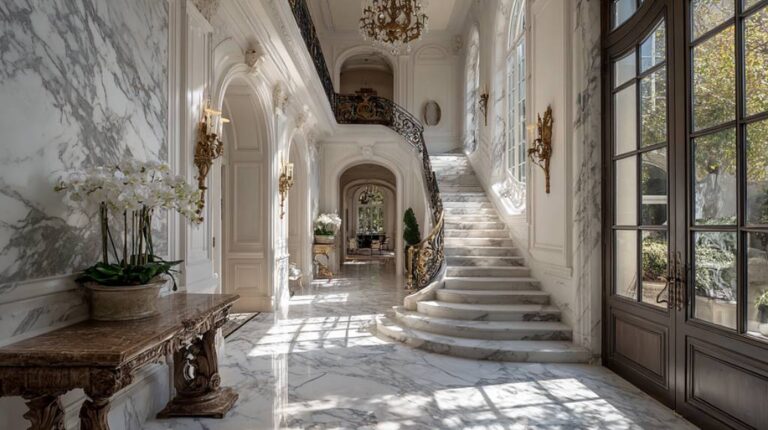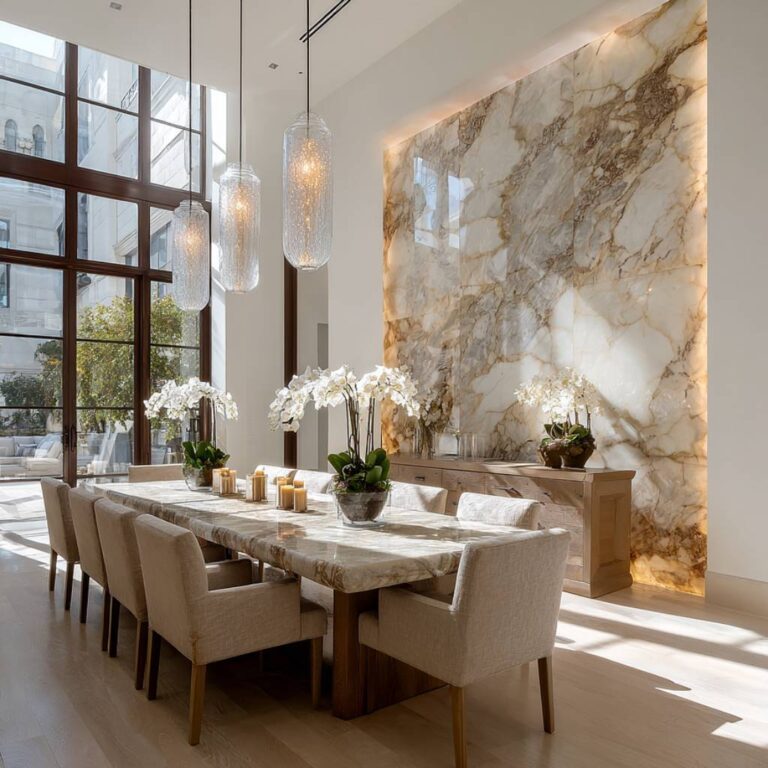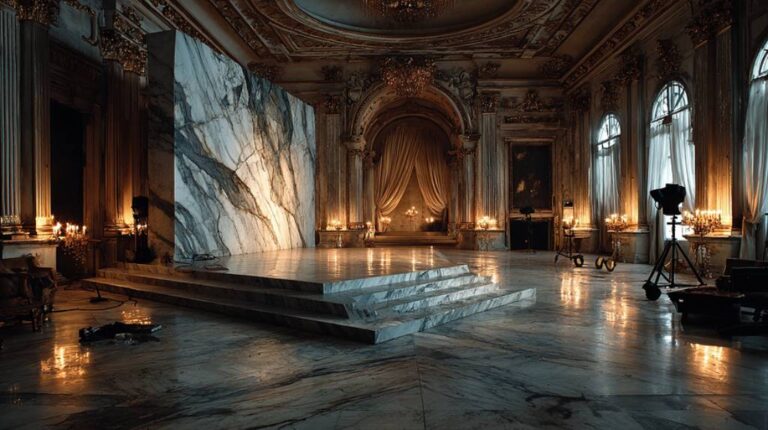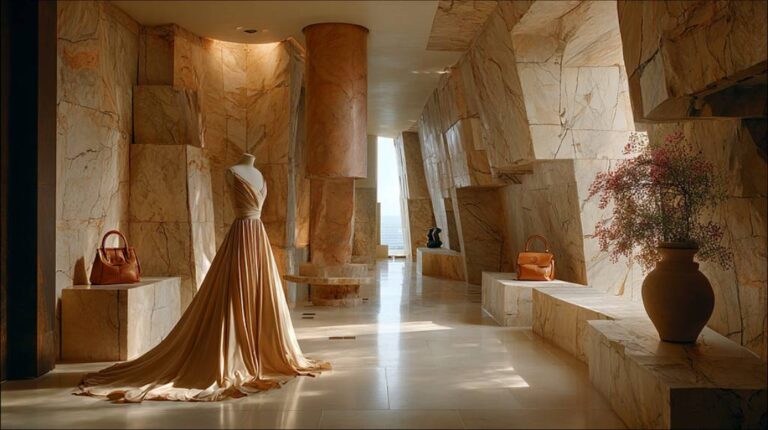
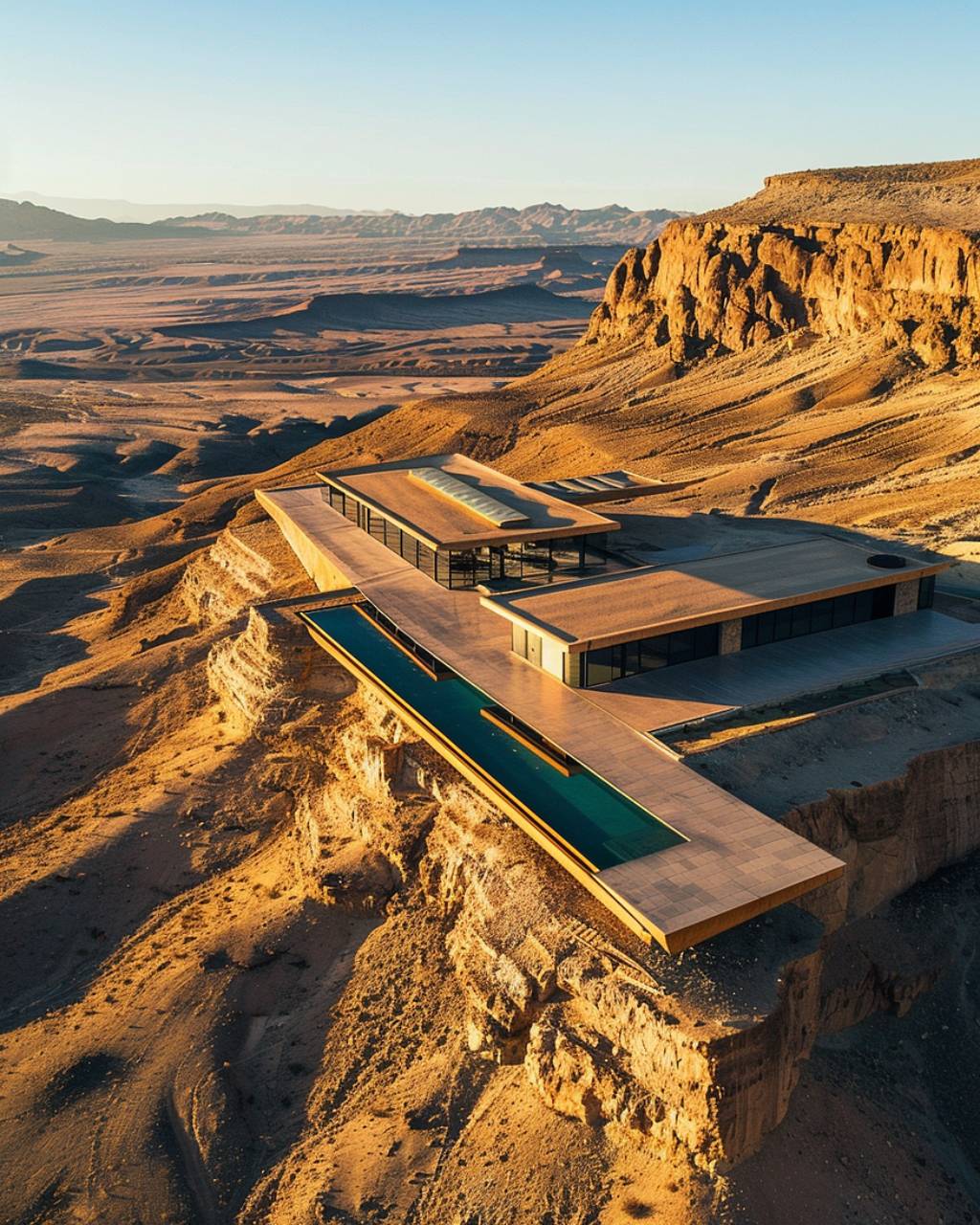
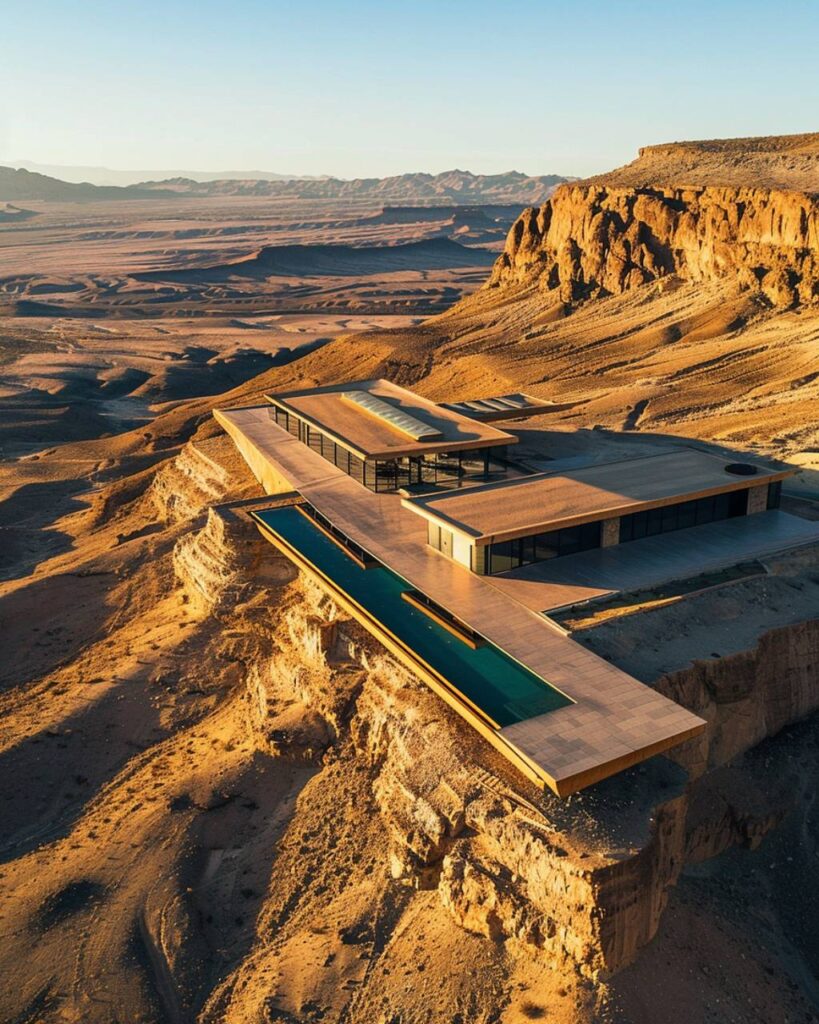
Architecture has always been territorial.
Not merely in the sense of occupying land, but in the way it declares belonging. The most powerful buildings do not feel placed upon a site; they feel inseparable from it. Their authority does not arise from scale alone, but from material alignment, from the sense that the land itself has chosen to become structure.
This is material sovereignty.
It is the condition in which architecture does not import identity, but extracts it from geography. When the materials of a building are drawn from the same terrain that surrounds it, the structure ceases to be an object and becomes an extension of landscape. Luxury, in this context, is not opulence. It is land made visible.
In an era defined by global supply chains and aesthetic homogenization, this idea carries particular weight. Contemporary luxury residences in vastly different climates often share the same polished surfaces, the same engineered finishes, the same imported minimalism. Geography becomes irrelevant. A house in the Mediterranean may resemble one in California or the Gulf.
Material sovereignty resists this flattening.
It suggests that architecture gains authority when its material language belongs to its place, when limestone cliffs give rise to limestone walls, when desert terrain informs earthen façades, when mountainous regions translate into stone volumes that echo the strata from which they emerged.
This is not regionalism as nostalgia. It is territorial intelligence.
To claim sovereignty through material is to acknowledge that land is not a neutral platform. It carries memory, climate, mineral composition, and cultural history. When architecture aligns with these conditions, it achieves a form of legitimacy that imported materials rarely replicate.
Luxury, then, shifts definition.
It is no longer measured solely by rarity or cost, but by rootedness. The most compelling residences feel inevitable within their setting. They do not appear delivered; they appear grown.
Historically, civilizations understood this intuitively. Ancient settlements built with locally quarried stone or earth-bound materials possessed cohesion because material and terrain were indistinguishable. The architecture did not compete with the landscape. It emerged from it.
Modern construction, empowered by logistics and global trade, broke this continuity. Materials travel across continents with ease. Stone cut in one hemisphere becomes façade in another. The resulting architecture may be technically refined, but it often lacks territorial resonance.
There is a subtle psychological difference between inhabiting a house that sits on land and inhabiting a house that feels made of land.
Ultra-high-net-worth individuals, particularly those building legacy residences, are increasingly drawn to this distinction. As mobility increases and global citizenship becomes common, rootedness acquires new meaning. A home that expresses territorial belonging becomes an anchor in a fluid world.
Material sovereignty provides that anchor.
When a residence draws from its immediate geology, it transforms ownership into something more layered. The inhabitant does not merely own a structure; they inhabit a fragment of terrain shaped into shelter. The land is not erased by construction; it is translated.
This translation carries symbolic power.
Land has always signified authority. To possess land is to possess autonomy, continuity, and influence. When architecture visibly incorporates the materials of its site, it reinforces that connection. The building becomes a physical articulation of territorial command.
Yet there is an ethical dimension to this sovereignty. Claiming land through material must avoid exploitation masquerading as authenticity. The distinction lies in proportion and respect. Material sovereignty is not about extraction without context. It is about integration, aligning construction with environmental logic and geological truth.
The most sophisticated examples achieve restraint. They use material not as spectacle, but as continuity. A stone façade that echoes nearby outcrops does not announce itself aggressively. It belongs quietly.
Belonging is a form of luxury rarely discussed.
In a globalized design culture, placelessness is common. Airports, hotels, and luxury residences often share interchangeable aesthetics. To enter a space and feel immediately aware of its geography is rare and therefore powerful.
This awareness operates subtly. It is sensed in texture, in colour, in thermal response. It is felt in the way walls hold heat or coolness, in the way light interacts with mineral surfaces that mirror the surrounding terrain.
Architecture that achieves material sovereignty becomes inseparable from memory. It anchors experience not only to interior comfort but to landscape identity.
There is also permanence embedded in this approach. Materials drawn from local terrain often share the environmental resilience of that terrain. They weather in harmony with climate rather than against it. Their ageing feels consistent, not imposed.
In this way, sovereignty extends beyond symbolism into performance.
The house does not fight its setting; it cooperates with it.
To describe luxury as land-made-visible is to challenge prevailing definitions of prestige. Instead of measuring exclusivity by distance that is how far a material has travelled, how rare it is globally, it measures exclusivity by specificity.
How precisely does this architecture belong here?
Specificity is more difficult to replicate than rarity.
A residence built from materials that exist only within a particular geography cannot be transplanted conceptually elsewhere. Its authority is anchored to coordinates. It becomes singular not because it is extravagant, but because it is inseparable from place.
This inseparability is what gives it sovereignty.
Material sovereignty reframes architecture as dialogue rather than imposition. It recognizes that territory is not simply acquired; it is interpreted. The building does not overwrite the land. It articulates it.
In doing so, it transforms luxury into something quieter and more profound.
Not spectacle.
Not import.
But alignment.
When architecture claims territory through material, it does not conquer the land.
It reveals it.