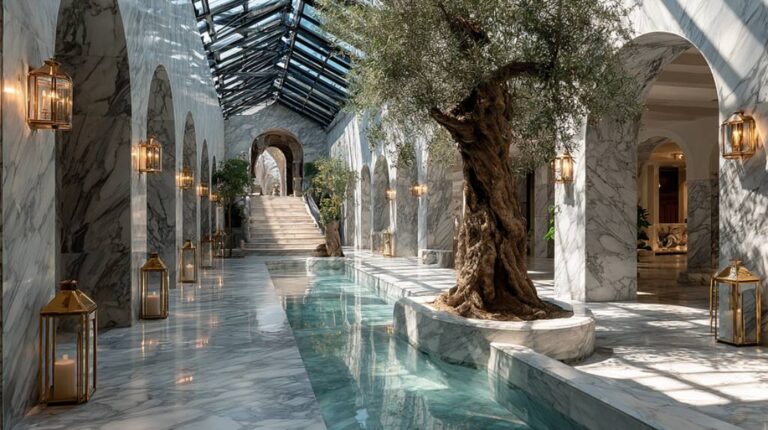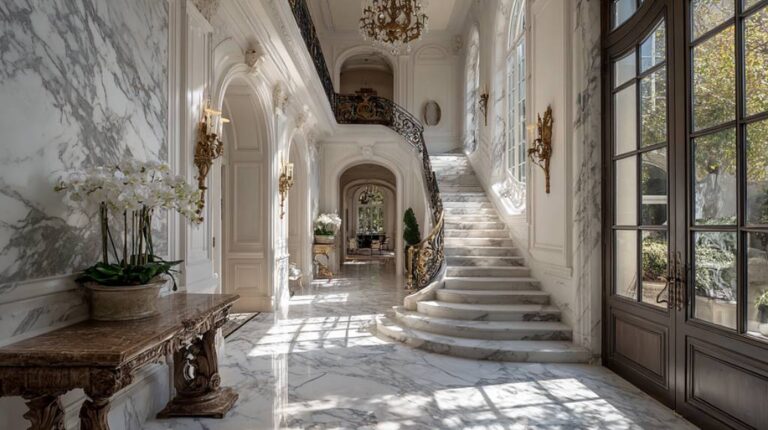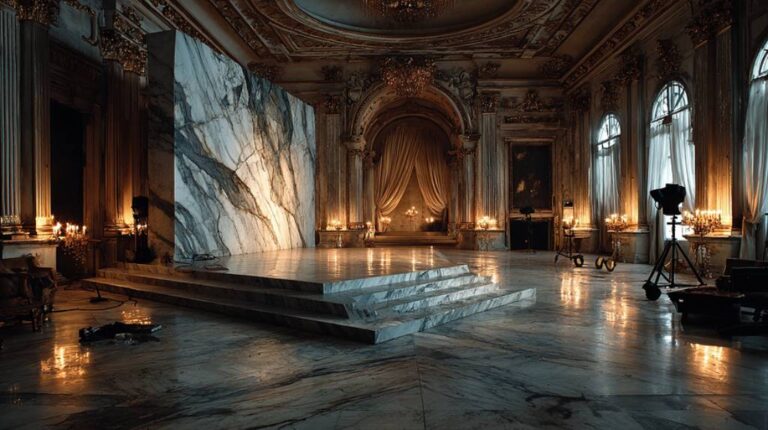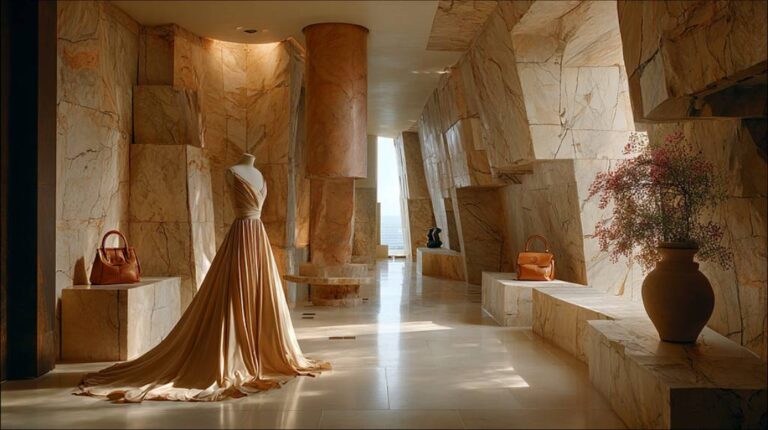
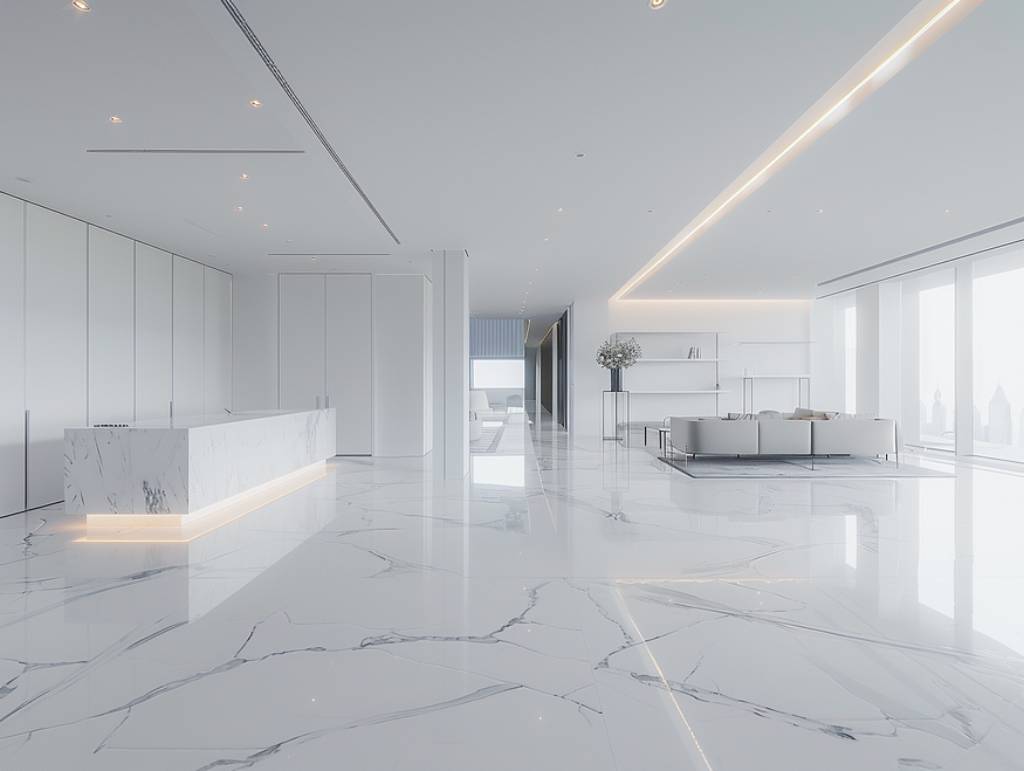
There is a certain visual language that has come to define contemporary luxury across the world. It is instantly recognisable like soft whites, pale stones, restrained palettes, seamless surfaces. The spaces are calm, controlled, and undeniably refined. Yet, over time, something begins to flatten. What was once perceived as minimal begins to feel repetitive. What was intended as timeless starts to read as interchangeable.
Luxury, in its pursuit of restraint, risks collapsing into sameness.
This homogenization is not accidental. It is the result of a global design vocabulary that prioritises neutrality as a safe expression of sophistication. White marble, light woods, muted tones all these elements travel easily across geographies and cultures. They photograph well, age predictably, and appeal to a broad audience. In many ways, they are the most efficient carriers of what luxury is assumed to look like.
But efficiency is not the same as distinction.
When the same palette is repeated across projects, across cities, and across contexts, the sense of rarity begins to erode. The material may be expensive, the detailing precise, but the experience becomes familiar. The eye no longer pauses. It recognises too quickly. And in that recognition, something essential is lost.
Rarity, in its true sense, is not about cost or scarcity alone. It is about difference, about encountering something that resists immediate classification. It creates a moment of hesitation, where the viewer must look again, more carefully. This pause is where value begins to form.
The challenge, then, is not to reject restraint, but to reintroduce distinction within it.
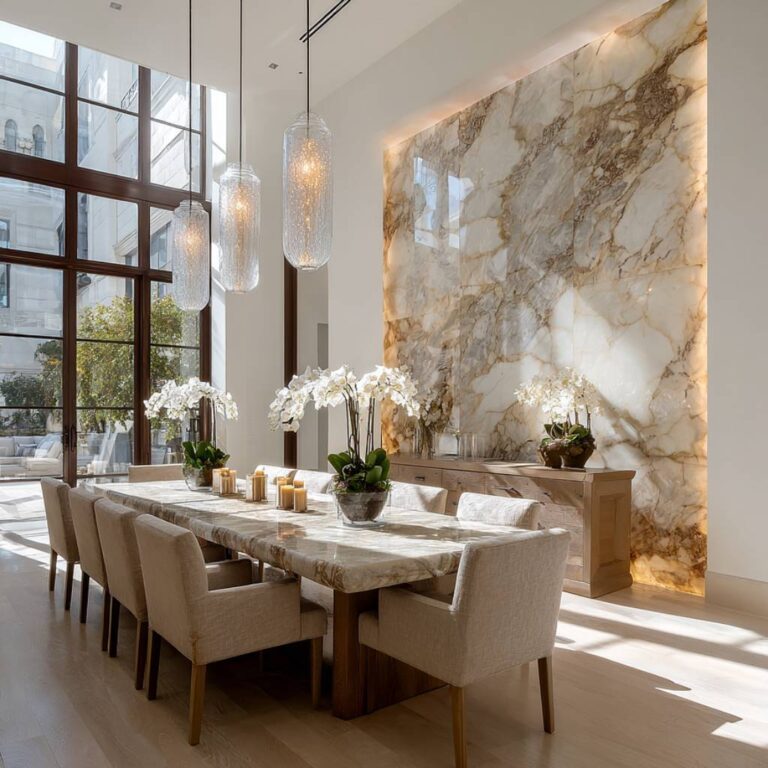
This is where the idea of “quiet rarity” becomes significant. It suggests that uniqueness does not need to be loud or ornamental. It can exist within subtle shifts like in texture, in variation, in how a material is composed and placed. A stone may still be pale, but its veining may carry an unexpected rhythm. A surface may remain minimal, but its depth reveals itself gradually under changing light.
In such cases, rarity is not decorative. It is structural.
It is embedded in how materials are selected, how they are arranged, and how they relate to the architecture around them. A book matched slab that aligns perfectly across a wall does not announce itself loudly, yet it carries a quiet precision that distinguishes it from a generic surface. Similarly, a material chosen for its natural variation, rather than uniformity, introduces a layer of complexity that cannot be replicated.
What is important is that these decisions are intentional.
Without intention, minimalism easily slips into sterility. The absence of contrast, variation, or depth creates spaces that are visually calm but emotionally flat. They feel complete, yet unresolved. The eye moves across them without resistance, without engagement.
This is where many contemporary luxury spaces falter. They achieve perfection, but not presence.
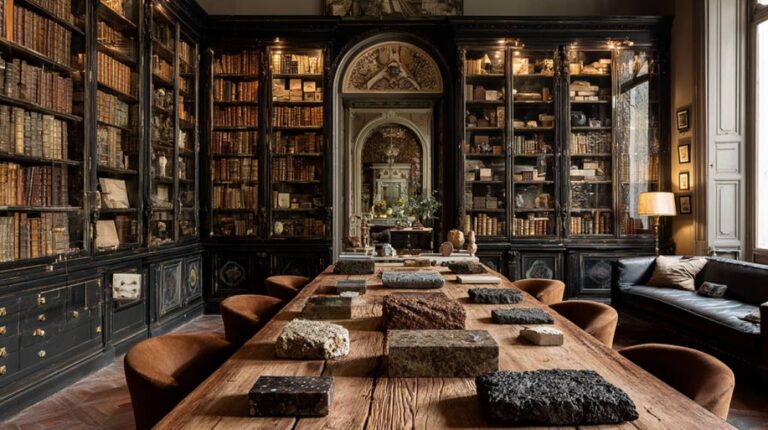
To move beyond this requires a shift in how materials are understood. Instead of selecting for uniformity, there must be a willingness to engage with variation. Instead of prioritising what looks consistent, designers must consider what feels specific. This often means embracing materials that carry identity and those that reveal their origin, their formation, and their individuality.
The role of curation becomes critical here.
Not every material needs to be rare, but the way it is framed must create a sense of distinction. A single surface, placed with precision and given space, can carry more impact than an entire palette of neutral finishes. The question is not how much is used, but how deliberately it is used.
This approach aligns with a broader shift in luxury itself.
As access to materials becomes increasingly global, rarity is no longer defined by availability alone. It is defined by interpretation. Two projects may use similar materials, yet one feels generic while the other feels singular. The difference lies in how those materials are composed, detailed, and contextualised.
Rarity, in this sense, is authored.
It is not found in isolation, but created through decisions that are often small, often subtle, but cumulatively significant. It exists in the alignment of a vein, in the proportion of a slab, in the restraint of what is left out. These are not gestures that demand attention, but they reward it.
This is what allows a space to remain quiet without becoming anonymous.
In the end, the question is not whether white, minimal spaces should be abandoned. They continue to hold value, offering clarity and calm in an increasingly complex visual world. The question is whether they can evolve and whether they can carry nuance without losing their restraint.
Because when everything is white, rarity must be designed more carefully.
And when it is, it no longer needs to announce itself. It is simply felt.