Luxury has always been framed as a matter of refinement: rare materials, exceptional craft, disciplined restraint. But beneath this cultivated language lies a quieter question, rarely asked in architectural discourse: who owns the ground from which luxury is made?
Every monumental surface begins somewhere else.
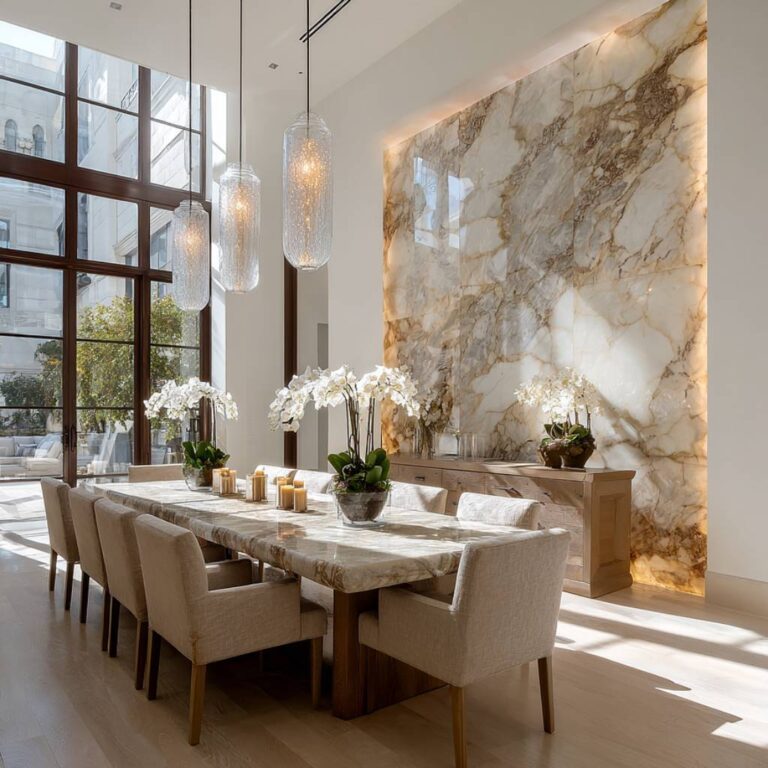
Before a polished slab rests beneath a dining table in Milan or a Manhattan penthouse, it existed as geology: a sediment, pressure, time compressed into mineral mass. Before it was calibrated into a finish, it was landscape. And before landscape becomes material, it is territory.
To build with the earth is not an aesthetic act alone. It is a political one.
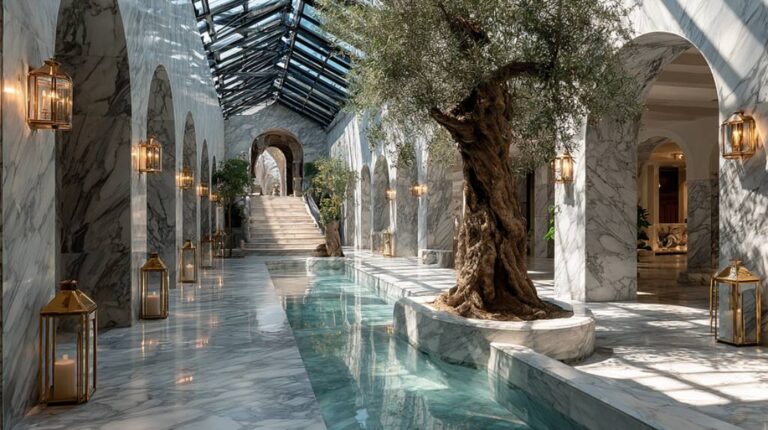
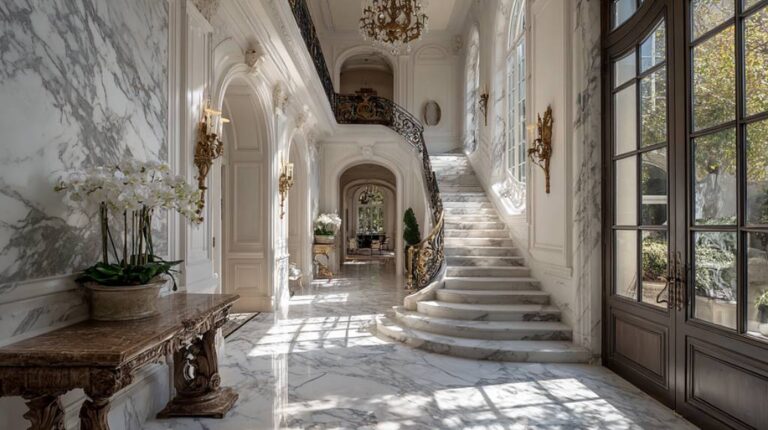
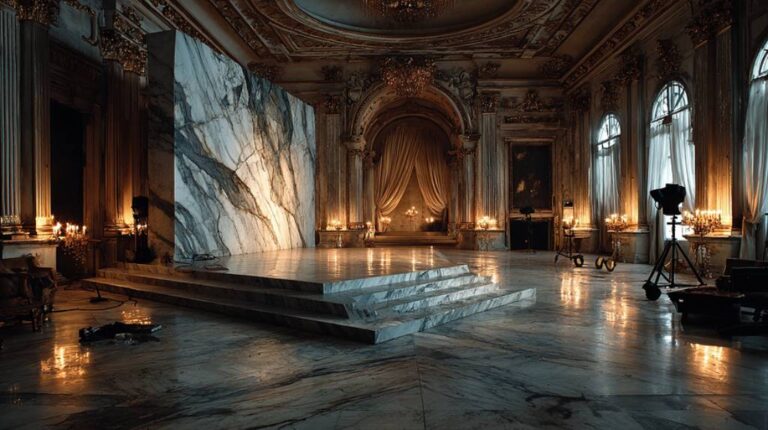
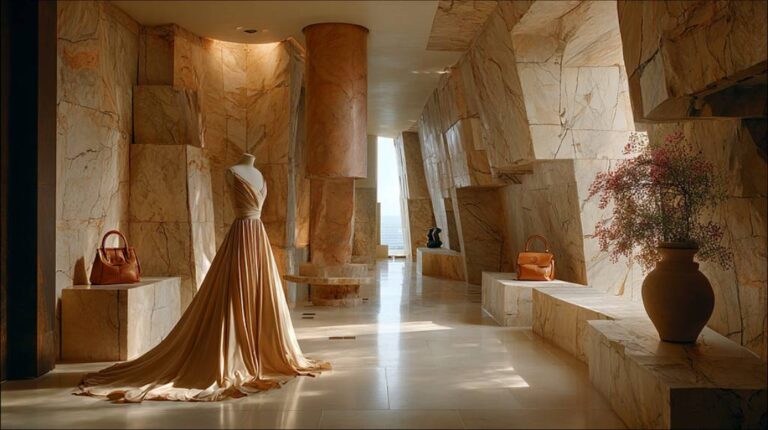
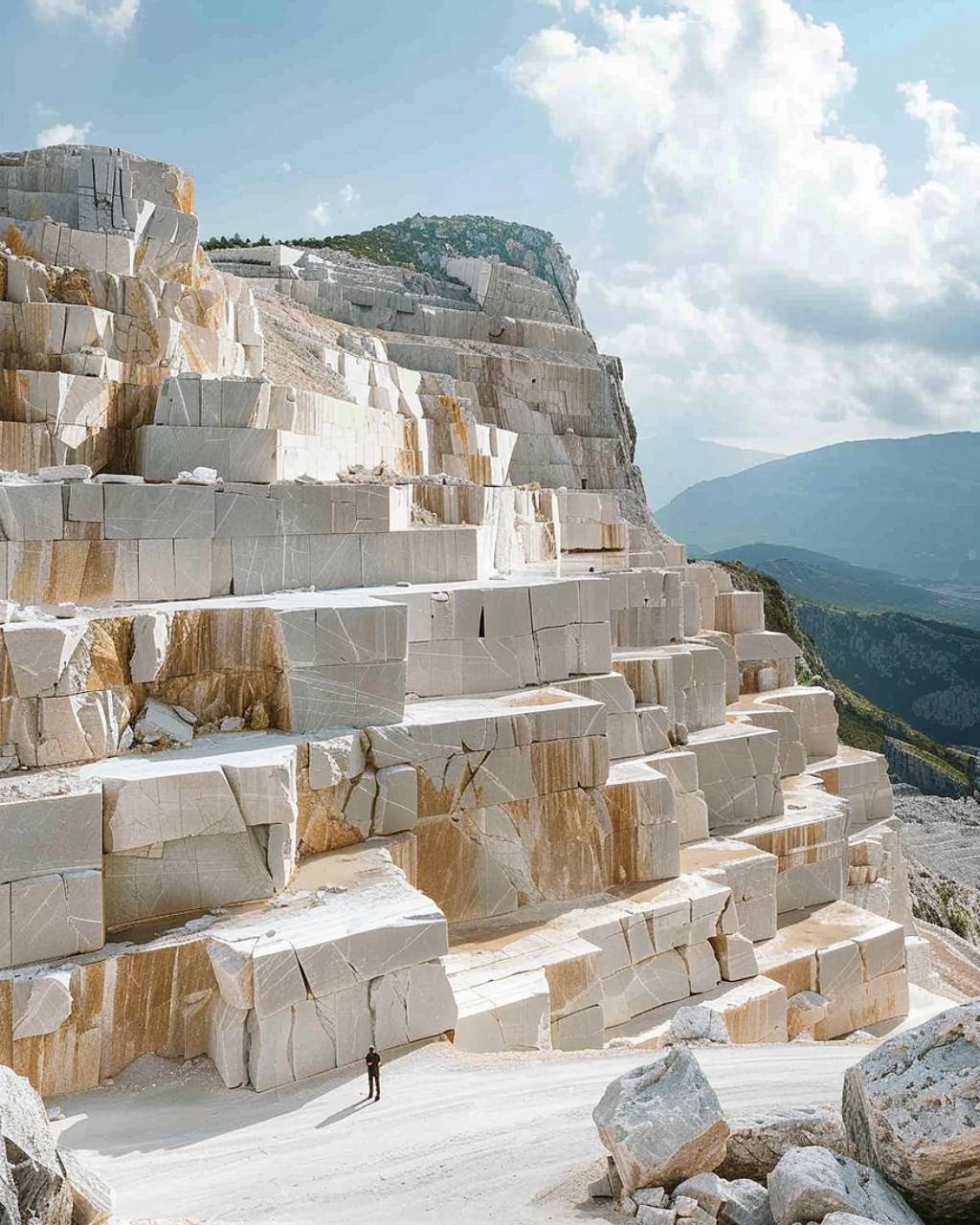
Extraction is geography translated into architecture. It is the act of claiming a portion of the planet and reassigning its meaning. A mountain becomes façade. A hillside becomes floor. A quarry becomes urban interior. In this transformation, ownership shifts from land to object, from territory to design.
Luxury, then, is not simply access to rare surfaces. It is access to origin.
Historically, the most powerful architectures were built from controlled territory. Empires were measured not only by armies but by material reach. Marble from Carrara signified more than beauty; it signified command over resource and trade. Stone moved across oceans and borders because power enabled its movement.
The palace was not just a residence. It was evidence of extraction.
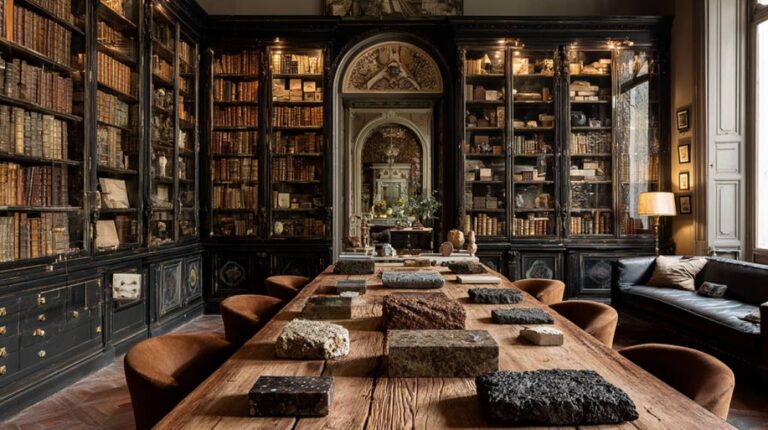
In contemporary architecture, this dynamic persists, though often without explicit acknowledgment. Global luxury residences are assembled from materials sourced across continents. Limestone from one geography, granite from another, timber from yet another. Each material carries with it an invisible map of logistics, labour, environmental impact, and jurisdiction.
When a client selects a surface, they are not merely selecting tone or texture. They are selecting geography.
Quarrying is often discussed in technical terms like yield, density, block size. But culturally, it is a profound act. It converts land into commodity. It compresses millions of years of geological formation into an architectural element. It relocates the earth from its native terrain into a new socio-economic context.
There is power embedded in that relocation.
Luxury architecture rarely interrogates this. Instead, it aestheticizes the result. The veining is admired. The finish is debated. The edge detail is refined. Yet the origin remains abstract, sanitized by distance.
To ask who owns the earth we build with is to ask who controls access to permanence.
Natural materials possess a weight: both literal and symbolic. They carry time within them. They are not manufactured to specification; they are discovered, cut, and shaped within the constraints of their formation. To possess them is to possess something that cannot be synthetically reproduced at scale.
This exclusivity is not accidental. It is structural.
The politics of extraction are intertwined with global economics. Land rights, environmental regulations, labor conditions, and supply chains form the unseen architecture beneath visible architecture. A stone surface in a luxury residence is the final chapter of a much longer narrative.
And yet, luxury has historically distanced itself from these narratives. It prefers the myth of timelessness, the idea that certain materials are eternal, neutral, unburdened by context.
But nothing extracted is neutral.
The transformation of landscape into luxury object carries implications. It reshapes ecosystems. It redistributes value. It shifts material from communal geography to private possession.
This does not render extraction inherently unethical. Human civilization has always built from the earth. Architecture is inseparable from resource use. The question is not whether we extract. It is how consciously we acknowledge the implications of extraction.
In recent years, conversations around sustainability have introduced environmental accountability into design. Carbon footprint. Embodied energy. Regenerative sourcing. These are necessary frameworks. But beyond environmental metrics lies a cultural one: what does it mean to enclose oneself within territory that once belonged to open landscape?
Luxury, at its most sophisticated, has always been about controlled environment: climate, light, texture, sound. Perhaps now it must also be about controlled origin: traceability, responsibility, and respect for the geographies that supply its surfaces.
When we understand quarrying as geography translated into architecture, the material ceases to be inert. It becomes narrative. It carries with it the memory of terrain, the labor of extraction, the politics of land use.
This reframes luxury.
Luxury is not simply rarity. It is access to specific portions of the earth. It is the ability to transport mass across borders and install it within private domains. It is the capacity to command origin.
Power is embedded not only in scale or cost, but in access.
The most compelling contemporary architects are beginning to reintroduce origin into the conversation, not as marketing, but as cultural context. They speak of material provenance. They visit sites of extraction. They align design intent with geological story.
This shift does not diminish luxury. It deepens it.
When origin is acknowledged, material gains dignity. It is no longer a surface divorced from context but a fragment of landscape reinterpreted through architecture. The residence becomes less an isolated object and more a node in a global network of terrain, labor, and trade.
To build with the earth is to participate in a larger system of ownership and exchange. The question is whether architecture remains blind to that system or engages it consciously.
Who owns the earth we build with?
Legally, it may be corporations, governments, private stakeholders. Culturally, however, the answer is more complex. The earth precedes ownership. It predates jurisdiction. It exists beyond the human systems that carve it into parcels.
Architecture intervenes in that continuity.
Perhaps the future of luxury lies not in denying this intervention but in refining it. In making extraction visible as process rather than invisible as privilege. In understanding that the most powerful surfaces are not those that conceal origin, but those that carry it with clarity.
Because when we walk across a floor cut from ancient terrain, we are not standing only on design.
We are standing on geography.