We live in an age that rewards speed. Information accelerates. Trends cycle rapidly. Buildings are visualised, marketed and consumed digitally long before they are inhabited. Architecture, once measured in decades, is increasingly evaluated in moments. In such an environment, velocity becomes the dominant cultural value. What is new matters more than what endures.
And yet, the deeper human instinct has not changed.
While the modern world celebrates immediacy, the spaces we trust most are those that remain stable. The homes we return to, the materials that age with dignity, the environments that feel grounded rather than reactive, these are not fast experiences. They are slow accumulations of meaning. In this contrast between speed and stability lies a quiet but significant shift in the definition of luxury.
Permanence may be the last remaining luxury.
For much of recent history, luxury has been associated with rarity, scale and spectacle. Larger homes, rarer materials, and more visible expenses. The assumption was that value must be seen to be understood. But visibility is no longer scarce. In a world saturated with images, display has become ordinary. What once signalled exclusivity is now endlessly replicated.
Speed has democratized appearance.
Aesthetic trends circulate globally within weeks. Materials once considered rare are reproduced synthetically. Iconic design elements are imitated at scale. The surface language of luxury is widely accessible. As a result, visual distinction alone no longer guarantees cultural depth.
What remains scarce is continuity.
A space that resists trend cycles. A material that improves with age. An architectural decision made for decades rather than seasons. These qualities require patience, foresight and discipline. They cannot be manufactured quickly. They demand commitment to longevity over novelty.
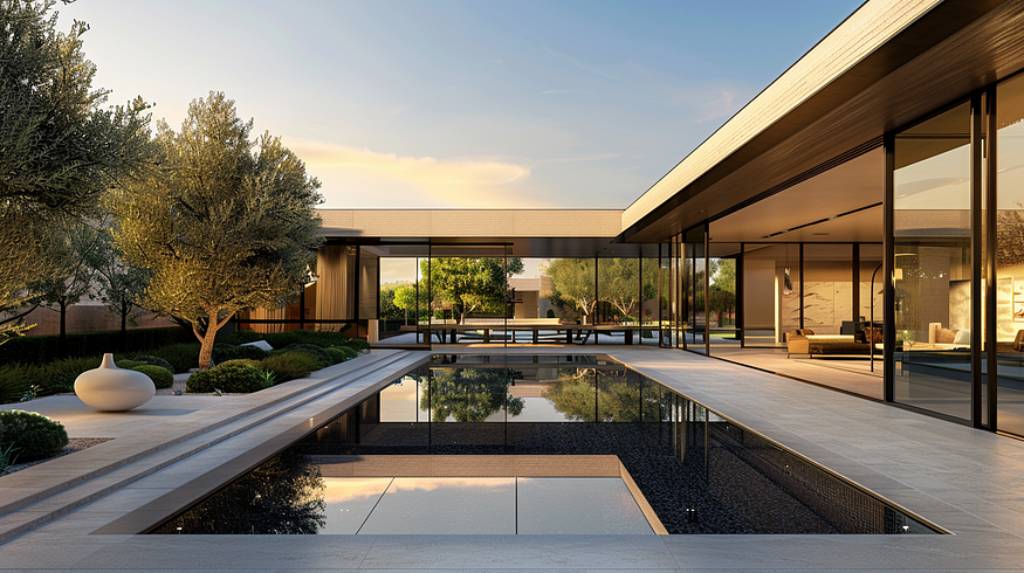
In architecture, permanence begins with structure. Proportions that feel resolved do not date easily. Spatial clarity does not require constant reinterpretation. When a building is anchored in rational planning and contextual intelligence, it does not depend on surface reinvention to remain relevant. It evolves without losing coherence.
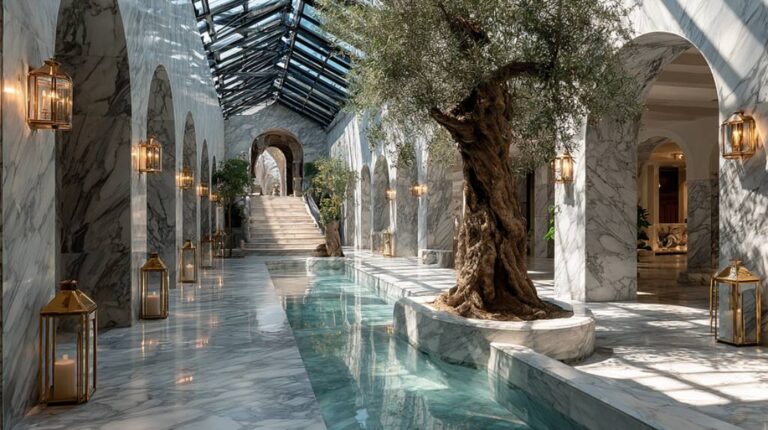
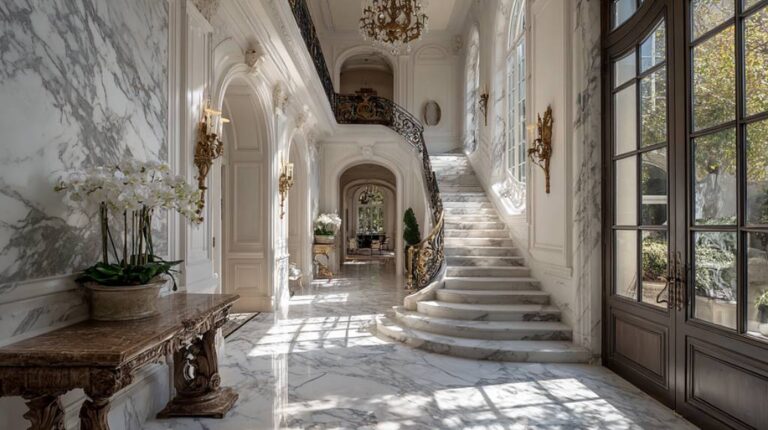
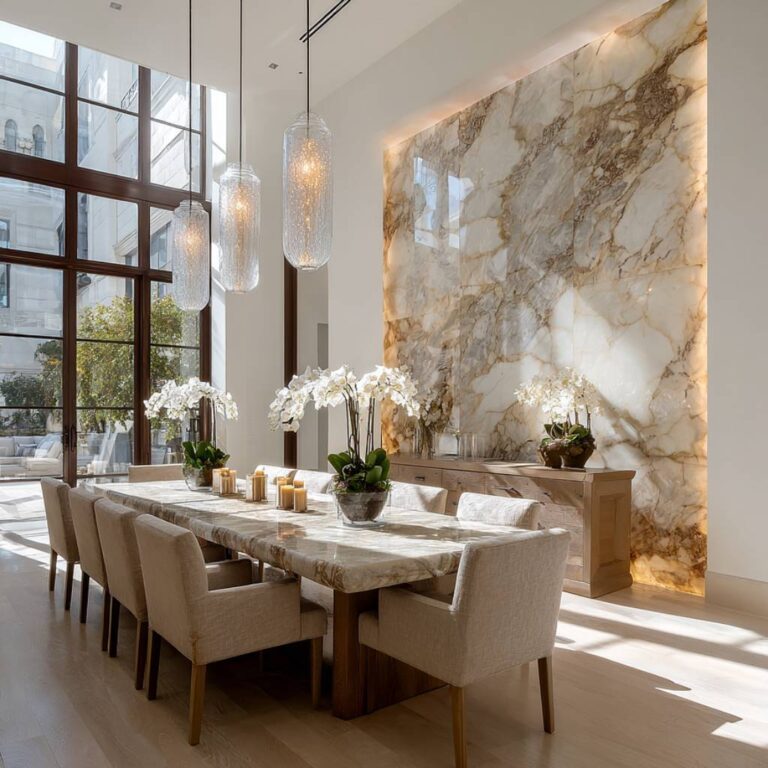
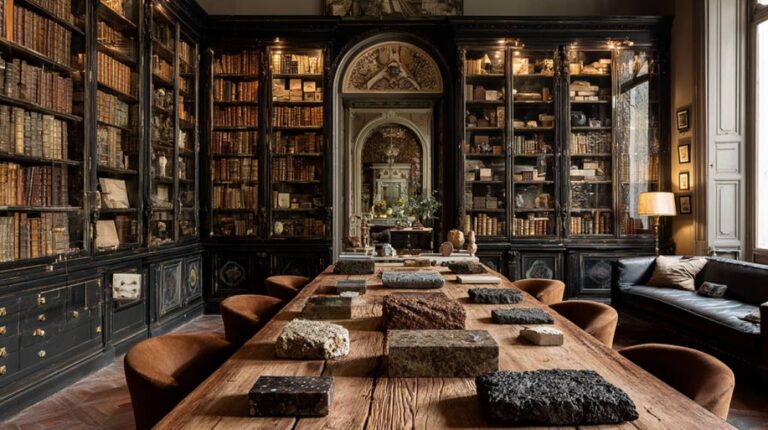
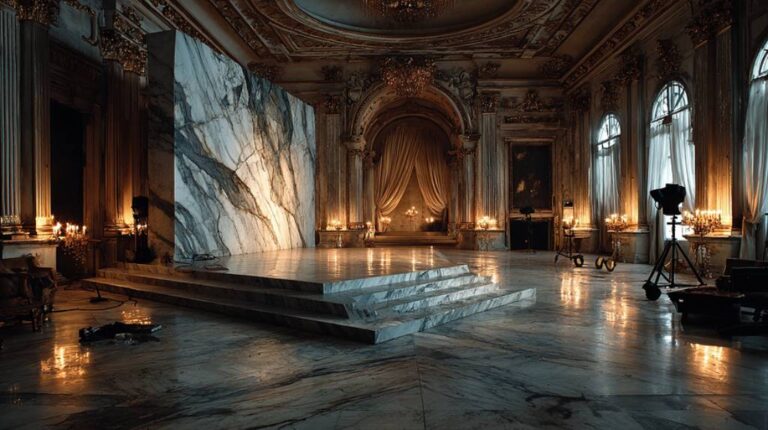
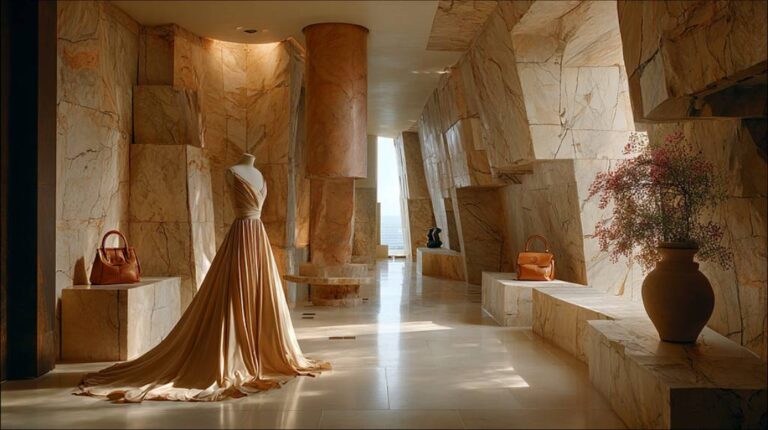
Materials play a parallel role. Natural stone, timber, lime plaster and metal develop patina over time. They absorb use rather than resisting it. Unlike synthetic finishes that degrade abruptly, natural materials transition gradually. They record life. Their ageing becomes part of the aesthetic rather than a flaw within it.
This capacity to age well is not nostalgic; it is strategic.
In a culture of acceleration, durability becomes a differentiator. A building that remains composed after twenty years carries more authority than one that impresses briefly and fades. The true measure of refinement is not immediate reaction, but sustained resonance.
There is also a psychological dimension to permanence. Human beings seek stability in uncertain environments. Rapid technological change, economic fluctuation and social transformation create a background of instability. Architecture, at its best, offers counterbalance. It provides continuity where other systems do not. A home that feels anchored allows its occupants to slow down, to inhabit time rather than chase it.
Luxury, therefore, is shifting from performance to endurance.
This does not imply rejection of innovation. It implies integration of innovation within a longer horizon. Advanced construction techniques, sustainable systems and contemporary design languages can coexist with permanence when guided by disciplined decision-making. The question is not whether a space feels modern, but whether it will feel coherent ten or twenty years from now.
Permanence also reframes responsibility. Buildings consume resources, alter landscapes and shape cultural memory. Designing for longevity reduces the need for constant replacement and cosmetic reinvention. It aligns aesthetic value with environmental intelligence. A structure intended to endure justifies the materials and energy invested in it.
In contrast, architecture driven by rapid cycles of novelty risks becoming disposable. When buildings are conceived primarily for immediate impact, their lifespan shortens conceptually even if their physical structure remains intact. They require continuous updates to remain “current.” Permanence removes that dependency.
It restores dignity to time.
The modern world will not slow down. Digital speed is irreversible. Information will continue to circulate instantly. But within that acceleration, architecture can offer something increasingly rare: steadiness. Spaces that do not react to every shift. Materials that do not demand replacement. Proportions that remain balanced beyond fashion.
In this sense, permanence is not resistance to modernity. It is refinement within it.
True luxury today may not be defined by what is newest, brightest or most visible. It may be defined by what quietly persists. What feels grounded when everything else moves. What gains character rather than losing relevance?
Speed dominates culture.
Endurance defines legacy.
And in a world designed for immediacy, the ability to remain, materially, spatially and culturally; may be the most profound expression of luxury left.