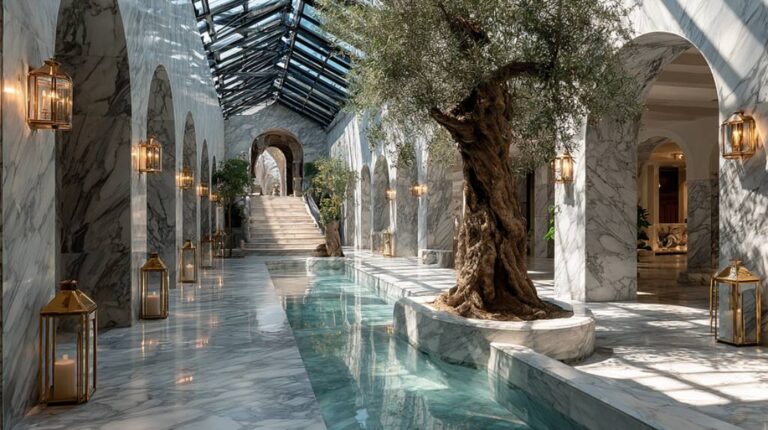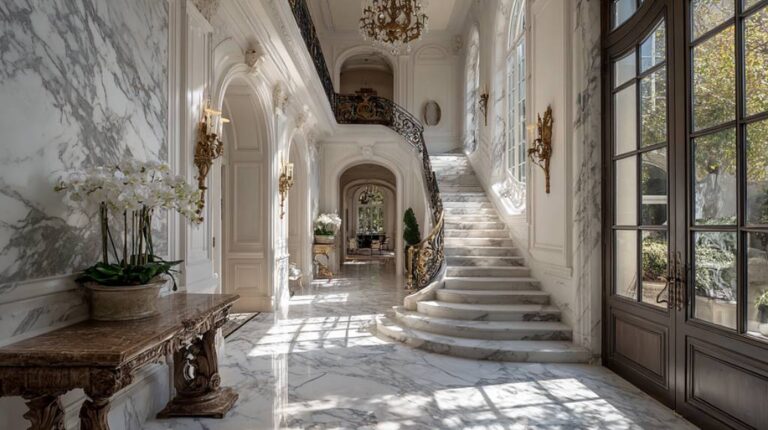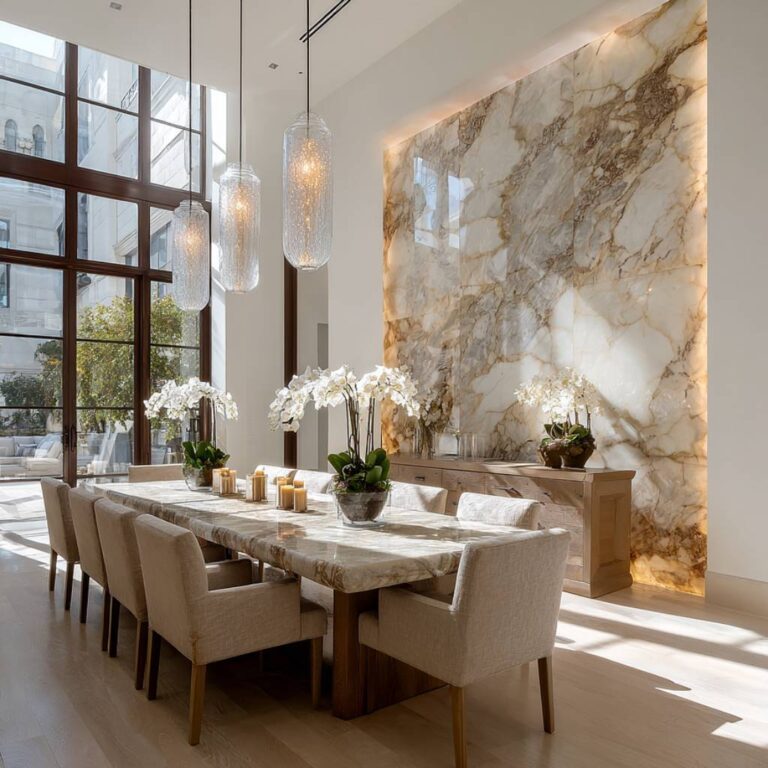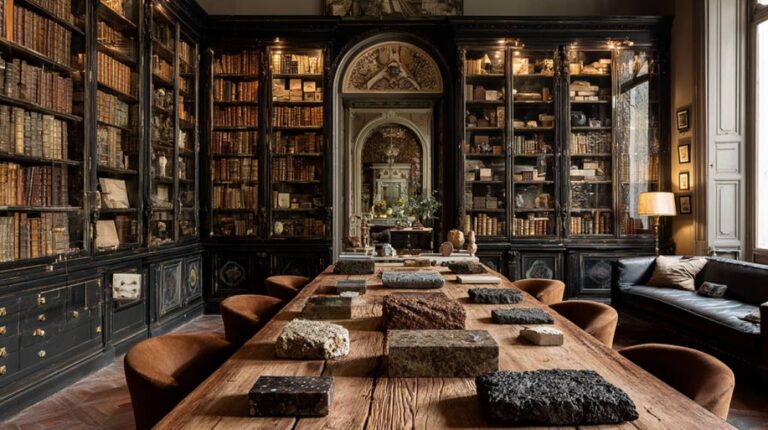
There is a particular stillness one encounters in truly expensive spaces. It is not the absence of sound, but the absence of anxiety. Nothing competes. Nothing strains for recognition. The room does not attempt to impress; it simply exists with certainty.
Paradoxically, the higher the cost of a space, the less it tends to announce itself.
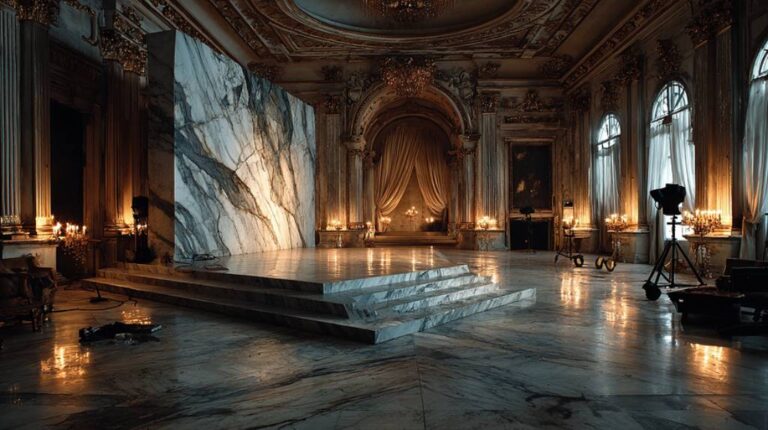
In lesser interiors, expense often reveals itself through display like rare marbles, metallic finishes, dramatic lighting compositions, and visual density. The language is declarative. It seeks acknowledgement. But in the most refined homes, wealth is not performed. It is embedded. The result is quiet.
This quietness is not stylistic minimalism. It is the byproduct of control.
Control begins long before the finishes are selected. It begins with proportion. The width of a corridor relative to the ceiling height. The relationship between glazing and solid wall. The depth of a reveal. When these relationships are resolved with discipline, decoration becomes unnecessary. The space holds itself.
The quietest rooms are usually those that require the most coordination.
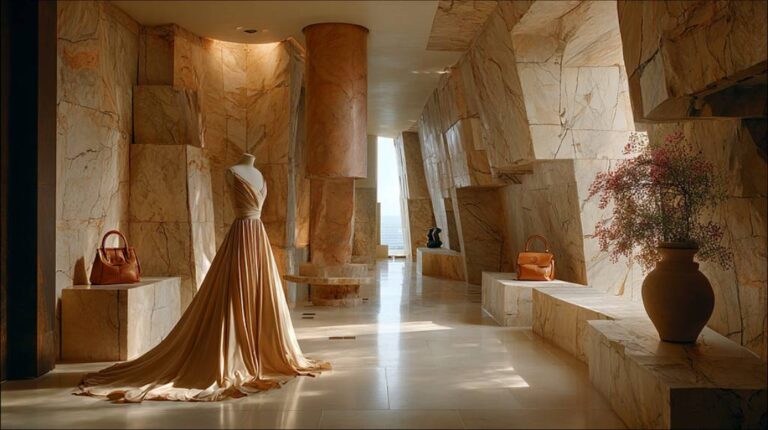
Consider material continuity. A monolithic stone floor extending uninterrupted across thresholds demands structural levelling, calibrated installation, and sequencing discipline. It requires slabs to be selected and mapped in advance. It requires tolerances to be respected during service routing. What appears effortless is, in fact, engineered restraint.
Restraint is expensive because it leaves no room for distraction.
In spaces where the architecture is uncertain, ornament fills the void. Feature walls compensate for weak proportions. Decorative lighting compensates for poor daylight control. Contrasting finishes attempt to create interest where spatial hierarchy was never established.
In refined interiors, hierarchy is clear. One gesture leads. Everything else recedes.
Light plays a decisive role in this silence. In the most composed homes, illumination is rarely theatrical. Temperatures remain warm but controlled, typically within a narrow band that flatters material without distorting it. Light is concealed, washed across surfaces, and reflected rather than projected. The objective is not brightness, but atmosphere. Shadows are soft. Glare is absent.
When lighting does not demand attention, material texture becomes perceptible. Limestone reveals its grain. Walnut deepens in tone. Plaster reads as surface, not coating. The room begins to feel settled.
Cultural confidence underpins this discipline.
Historically, societies secure in their position have favoured understatement. Excess is often a signal of emergence; restraint is a signal of arrival. In architecture, this distinction becomes visible in the difference between accumulation and editing.
Editing requires authority.
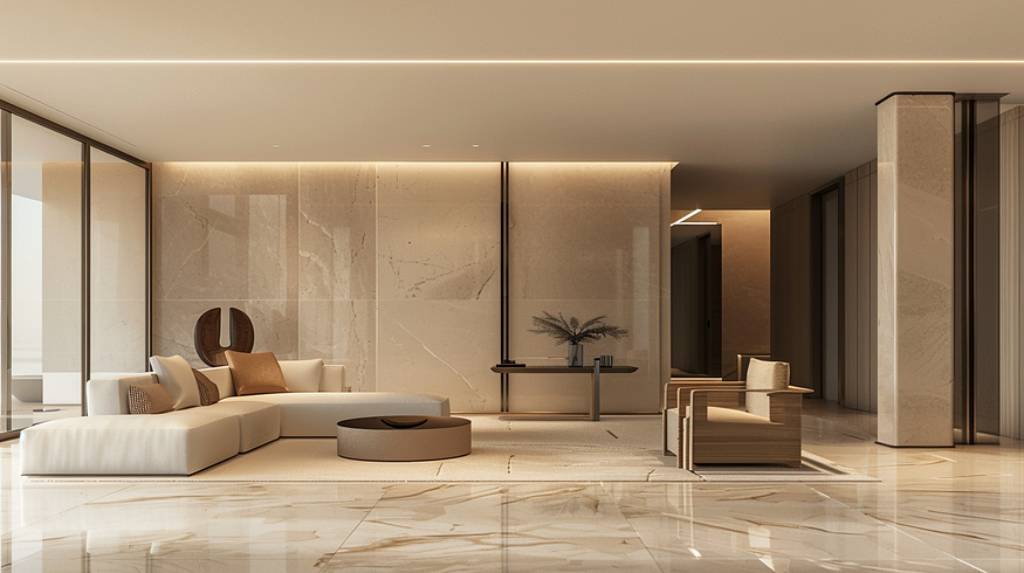
To specify a neutral palette, limestone beige, warm ivory, and muted bronze, and allow it to dominate without interruption requires conviction. There is no visual spectacle to hide behind. Proportion must carry the experience. Scale must feel intentional. Transitions must be precise.
The quietest luxury interiors are rarely sparse. They are selective.
Furniture sits lower, allowing volume to breathe. Vertical alignments are exact. Joinery integrates rather than interrupts. Hardware disappears. Doors sit flush. Details resolve into planes. The absence of visual friction produces calm.
Negative space becomes a design tool rather than an omission.
There is also an economic dimension to this phenomenon. Excessive layering increases cost but often reduces clarity. True high-end execution reallocates investment toward invisible performance such as structural alignment, concealed systems, fabrication tolerances, and thermal efficiency. The visible environment becomes simpler because the complexity has been absorbed beneath the surface.
The expense is in resolution.
In such environments, one notices alignment more than ornament. The shadow gap that runs uninterrupted along a wall. The seamless meeting of stone and plaster. The precision of a recessed lighting channel. These gestures are not dramatic, but they are decisive.
Silence, in this context, is a form of authority.
A room that does not compete for validation communicates permanence. It does not follow trend cycles. It does not rely on chromatic intensity. It does not depend on reflective surfaces to signal value. Instead, it operates through spatial confidence; the assurance that proportion, light, and material integrity are sufficient.
The most expensive spaces feel quiet because nothing within them is unresolved. There is no compensatory decoration. No reactive layering. No anxiety in the composition.
They do not raise their voice. They do not need to.
Their authority lies in control of light, of material, of proportion, of restraint. And restraint, perhaps more than extravagance, is the truest indicator of cultural and architectural confidence.
In the end, quiet luxury is not about minimalism. It is about certainty.
And certainty, when built with precision, speaks without ever becoming loud.