Luxury, in its most enduring form, has never belonged to the present moment. It resists immediacy. It refuses urgency. While contemporary culture trains the eye to seek novelty, to refresh, replace, and rediscover every season; true refinement unfolds on a slower axis of time. It is measured not in launches or collections, but in decades. Not in visibility, but in continuity.
To understand this distinction is to separate luxury from consumption. Trends are designed for circulation. They depend on repetition, recognition, and eventual exhaustion. Their value lies in being seen quickly and replaced just as quickly. Luxury, by contrast, is structured around permanence. It asks a different question altogether: not what is new, but what will remain meaningful when newness fades. This shift; from immediacy to duration, marks the beginning of cultivated taste.
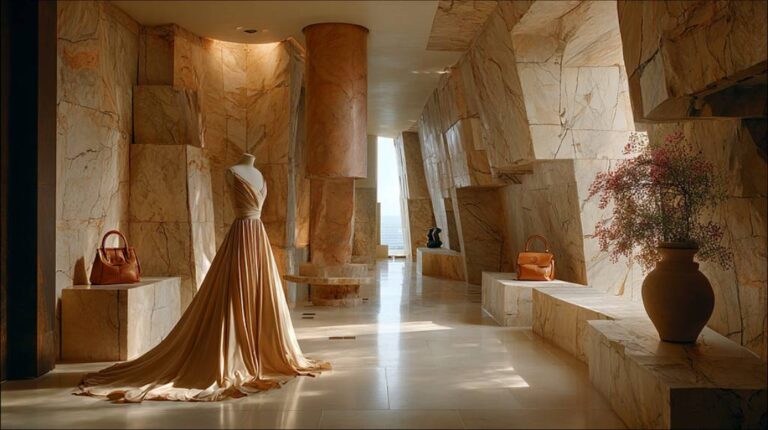
Time alters objects in ways design alone cannot. Materials soften, darken, and gather memory. Stone records touch. Wood deepens in tone. Metal loses its brightness and gains gravity. This slow transformation, often described as patina, is not deterioration but authorship. The passage of years collaborates with the original maker, completing what fabrication began. In this sense, longevity is not merely survival; it is enrichment. What endures acquires narrative, and narrative is one of luxury’s most silent currencies.
The modern marketplace struggles with this idea because it cannot easily accelerate it. Decades cannot be compressed into quarterly cycles. Patina cannot be manufactured without revealing imitation. Intergenerational continuity cannot be staged for display. These temporal qualities sit outside the logic of rapid production, which is precisely why they signal refinement. What takes time to form also takes intention to preserve. Ownership becomes stewardship rather than possession.
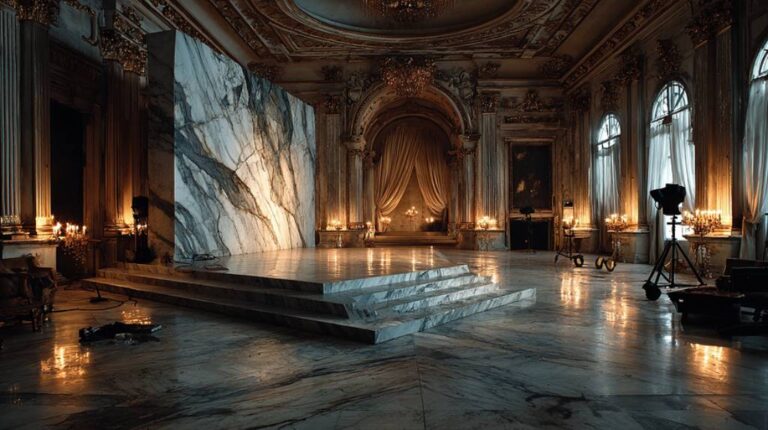
Historically, the environments most closely associated with luxury; aristocratic houses, cultural institutions, inherited estates were defined less by opulence than by duration. Their authority emerged from persistence. Rooms accumulated layers rather than replacing them. Objects remained long enough to become witnesses. Even imperfections gained legitimacy through age. The aesthetic effect was not spectacle but quiet assurance: the sense that time itself had chosen to stay.
This relationship with time also reshapes how beauty is perceived. Trend-driven design relies on immediate visual impact. It must persuade quickly because its lifespan is brief. Enduring design works differently. It reveals itself gradually, often appearing restrained at first encounter. Its proportions settle into the mind over years rather than seconds. Familiarity deepens appreciation instead of diminishing it. Such beauty does not compete for attention; it becomes inseparable from living.
Intergenerational thinking extends this temporal horizon further. When objects and spaces are imagined to outlast their creators, design decisions change. Durability outweighs novelty. Repair becomes preferable to replacement. Meaning is measured by inheritance rather than display. The question shifts from Does this impress today? to Will this remain worthy tomorrow? In this way, luxury aligns with responsibility. To build for decades is to acknowledge a future beyond oneself.
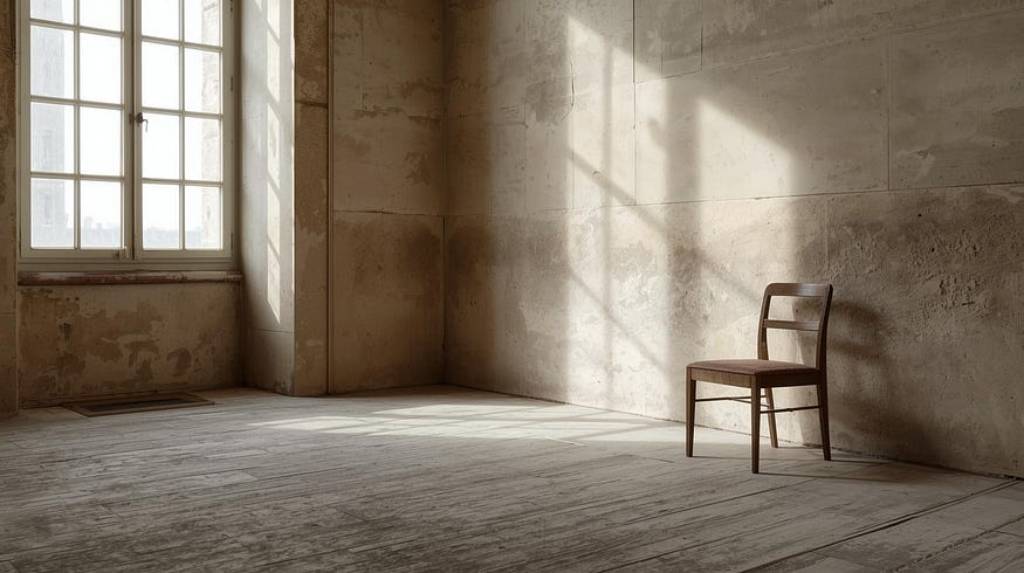
There is also a psychological dimension to long-term luxury. Environments shaped by continuity create a distinct emotional atmosphere; one of calm authority rather than restless aspiration. Nothing needs to prove itself urgently. Value is assumed, not announced. Silence replaces spectacle. Such spaces allow time to be felt rather than managed, offering a rare distance from the acceleration that defines contemporary life. This distance, subtle yet profound, may be the most elusive privilege luxury provides.
Yet the language of trends continues to dominate public imagination because it is easier to access. Trends promise participation without patience. They offer the appearance of refinement without the discipline of waiting. In contrast, decade-based luxury demands restraint: the willingness to choose slowly, to keep rather than replace, to allow meaning to accumulate invisibly. It is less democratic in tempo, though not necessarily in cost. Time, after all, is unevenly distributed in modern experience.
What emerges from this contrast is a redefinition of richness. Wealth can purchase rarity, scale, or craftsmanship, but it cannot instantly purchase duration. Only time can do that. Therefore, the most convincing luxury is often the least recent. It carries the quiet authority of survival. It has resisted both fashion and neglect. It stands slightly outside the present, and precisely for that reason, it feels secure within it.
To measure luxury in decades is ultimately to adopt a different philosophy of living. It privileges continuity over excitement, memory over novelty, inheritance over display. It recognises that refinement is not created in moments of acquisition but in long relationships between people, objects, and places. When design participates in this extended timeline, it transcends style and approaches culture.
In an era defined by speed, such slowness may appear almost radical. Yet it is this very resistance to haste that preserves luxury’s meaning. Trends will continue to rise and dissolve, each announcing itself as essential. Decades will pass more quietly, shaping value without proclamation. And in the end, what remains, weathered, familiar, and still dignified; will reveal that true luxury was never about keeping up with time, but about outlasting it.