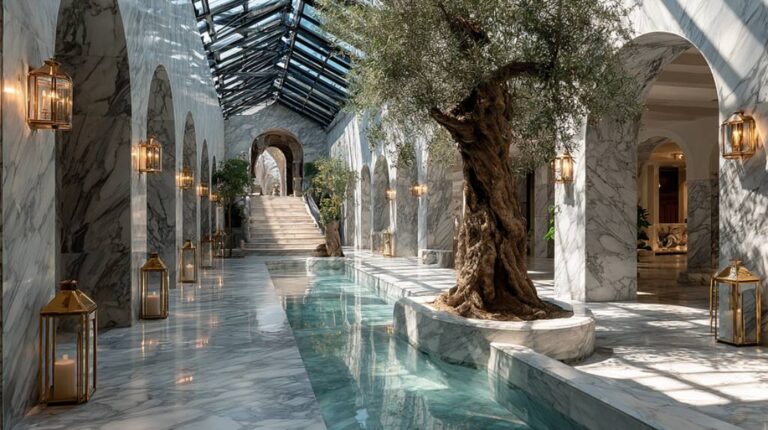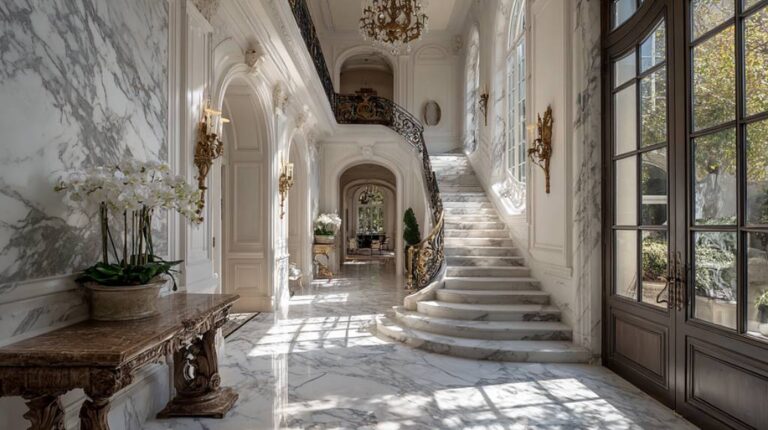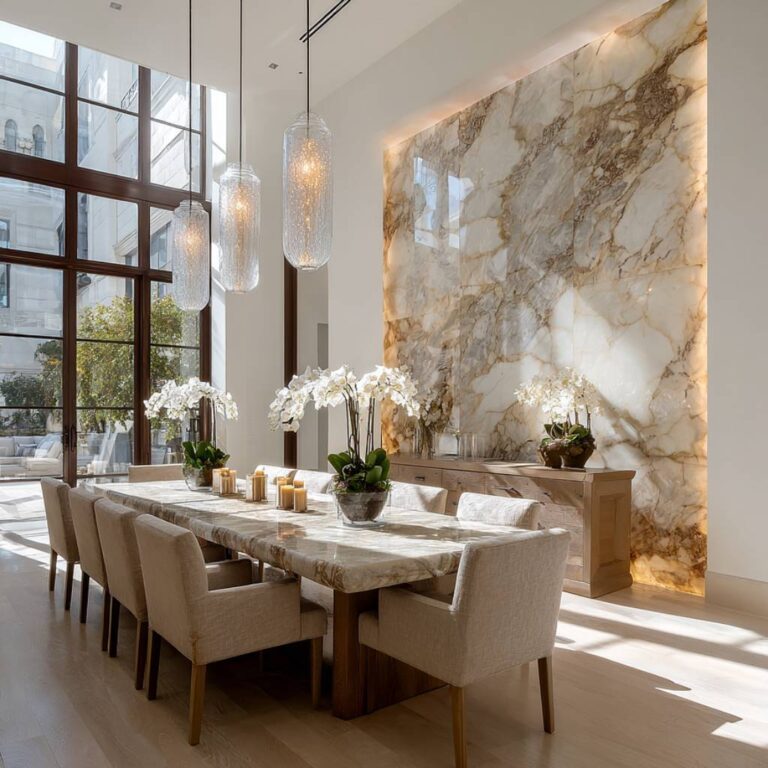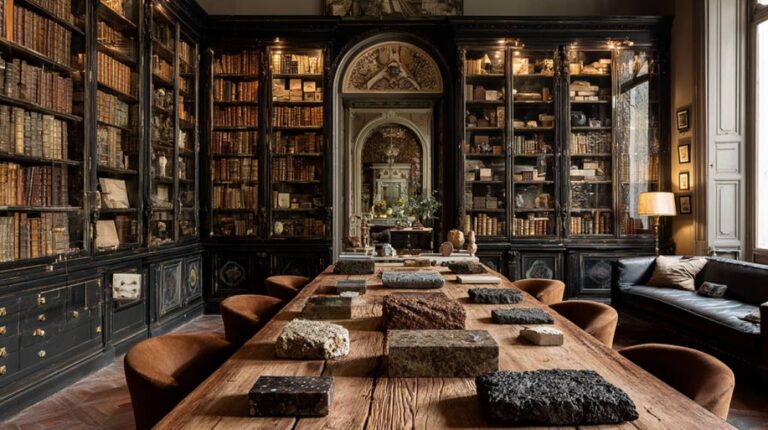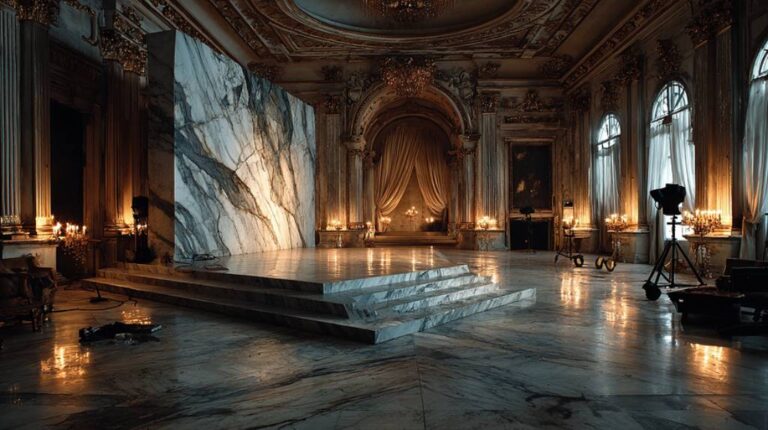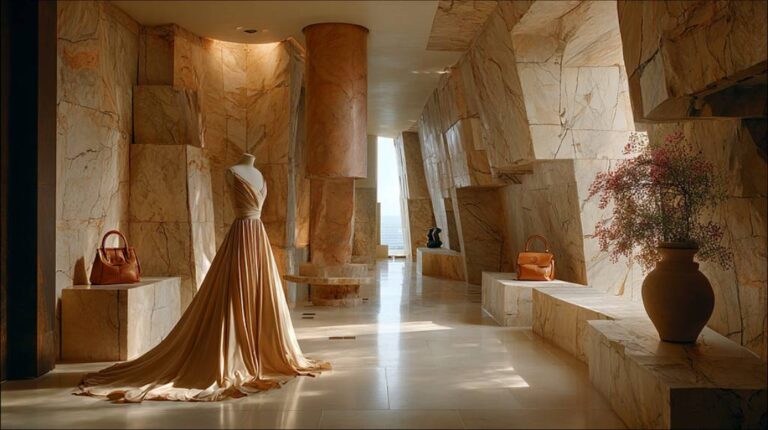
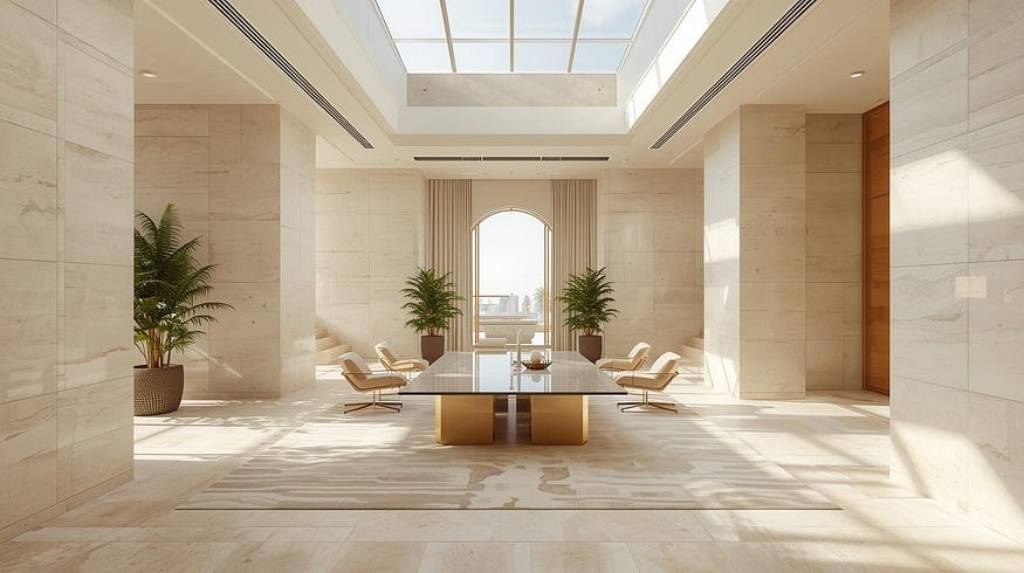
Luxury architecture has always carried an aura of distinction. It has promised rarity, uniqueness, and the sense that a space was made with exceptional care. Yet in recent years, an uncomfortable question has begun to surface across design culture: is luxury architecture starting to look the same everywhere? From Mumbai to Milan, Dubai to Los Angeles, the world’s most expensive residences increasingly share a familiar visual language: neutral palettes, expansive glazing, sculptural minimalism, imported stone, curated emptiness. The result is a kind of global luxury aesthetic that is instantly recognisable, but also strangely interchangeable.
Homogenisation in luxury architecture does not arrive through mediocrity. It arrives through refinement. It is the outcome of taste being standardised, of luxury being defined through a narrow set of visual cues that are repeated until they become almost inevitable. What was once distinctive becomes expected. What was once rare becomes a template. And the deeper issue is not that these spaces are unattractive, they are often impeccably designed. The issue is that they begin to feel placeless, detached from cultural specificity, as though luxury itself has become an international style rather than a lived expression.
Part of this shift is driven by the globalisation of wealth. The contemporary luxury client is often mobile, investing across cities and countries, moving between residences, expecting a certain continuity of experience. Luxury becomes less about rootedness and more about recognisable comfort. A penthouse in Singapore should feel familiar to someone who owns a villa in London. This desire for familiarity produces a kind of architectural convergence. Materials, proportions, and spatial gestures begin to repeat because they have been validated by the global market. The home becomes not only a dwelling, but an asset, and assets benefit from predictability.
Luxury today is also shaped by digital circulation. Architecture is no longer encountered primarily through lived experience; it is encountered through images. Instagram, design magazines, and real estate platforms have created a visual economy in which certain aesthetics perform better than others. Bright minimal interiors, soft neutral tones, sculptural staircases, seamless marble surfaces, these photograph beautifully. They communicate luxury instantly in a single frame. And so, luxury architecture begins to optimise itself for legibility. It becomes architecture designed not only to be inhabited, but to be seen.
This is where homogenisation becomes almost structural. The global luxury aesthetic is not merely a style preference; it is a response to the way luxury is consumed culturally. Luxury is increasingly consumed through representation. A space must look expensive before it is experienced as expensive. The architecture must signal its category immediately. In that sense, luxury design becomes a language of recognisable symbols: the double-height living room, the invisible detailing, the imported stone, the curated emptiness. These symbols reassure the market. They confirm value. But they also narrow the field of imagination.
There is another force at work: the professionalisation of luxury itself. Luxury architecture has become a specialised industry with its own expectations, suppliers, consultants, and benchmarks. The most expensive projects often involve the same global brands, the same material libraries, the same contractors skilled in delivering a particular finish. This ecosystem produces extraordinary craftsmanship, but it also produces repetition. When the supply chain of luxury is standardised, the outcomes begin to converge. The same stones travel across continents. The same lighting systems appear in different cities. The same minimal detailing becomes the signature of “good taste.”
Homogenisation is also tied to a particular ideology of luxury: the idea that luxury is restraint. Over the last two decades, conspicuous opulence has been replaced by quiet wealth. Ornament has given way to minimalism. The luxury home is now expected to feel calm, uncluttered, museum-like. This shift has cultural depth, it reflects a desire for permanence, seriousness, and a rejection of vulgar display. Yet it also creates a narrow aesthetic corridor. Quiet luxury, when repeated everywhere, becomes its own form of uniformity. The interiors may be beautiful, but they begin to feel emotionally interchangeable.
What is lost in this process is not simply variety, but cultural texture. Architecture has always been one of the most powerful expressions of place. Climate, craft traditions, social rituals, local materials, and historical memory shape the way homes are built. When luxury architecture becomes globalised, it often detaches from these conditions. A villa in Rajasthan begins to resemble one in California. A coastal home in Goa adopts the same vocabulary as one in Greece. The architecture becomes less about responding to place and more about conforming to an international luxury image.
This is where homogenisation becomes more than aesthetic, it becomes psychological. Luxury architecture risks losing intimacy. The most meaningful luxury spaces are not those that look expensive, but those that feel deeply resolved for a particular life, a particular climate, a particular cultural rhythm. When luxury becomes template-driven, it becomes less personal. It becomes an object of consumption rather than an environment of belonging.
Yet it would be simplistic to treat homogenisation as a failure of architects alone. Architects are responding to powerful structural pressures: clients seeking resale value, markets rewarding recognisable luxury, media amplifying certain aesthetics, global supply chains shaping material choices. Homogenisation is the outcome of luxury becoming a system rather than an exception.
The question, then, is whether luxury architecture can recover difference without returning to superficial extravagance. Can luxury be specific again? Can it be rooted rather than global? Can it express culture rather than category?
There are signs that the next evolution of luxury may lie precisely in this direction. The most compelling contemporary luxury projects are often those that resist international sameness. They draw from local craft traditions, regional materials, climate intelligence, and cultural memory. They do not perform luxury through imported symbols, but through depth. Through time. Through permanence. Through specificity.
True luxury architecture has never been about marble alone. It has been about meaning embedded in material. It has been about homes that feel inevitable to their place, not transferable across continents. It has been about craft that carries history, not surfaces that carry only polish. The future of luxury may depend on this return to rootedness, on the understanding that the rarest luxury is not sameness perfected, but difference sustained.
Homogenisation is, in some ways, the price of global taste. But luxury, at its highest level, has always been the refusal of the generic. Luxury is the opposite of repetition. It is the insistence on the particular. If luxury architecture is becoming too homogenised, the remedy will not be louder design, but deeper design: architecture that remembers place, honours craft, and allows permanence to feel personal again.
Because the most luxurious home is not the one that looks like every other expensive home. It is the one that could exist nowhere else.