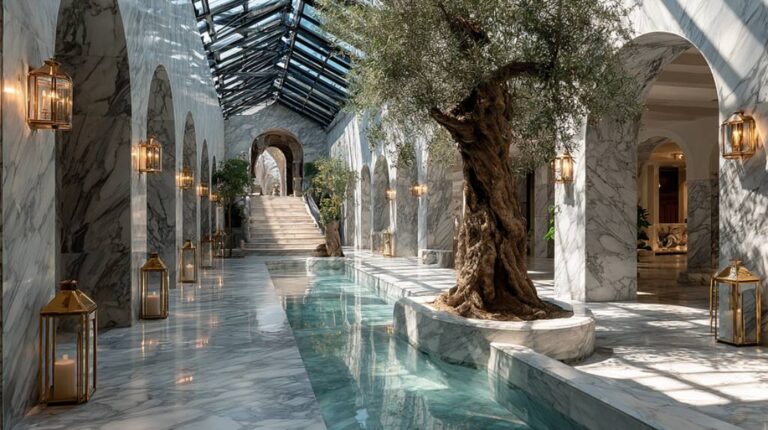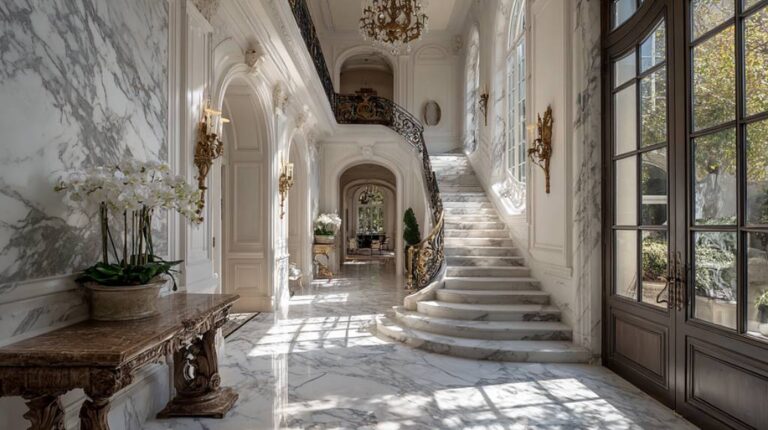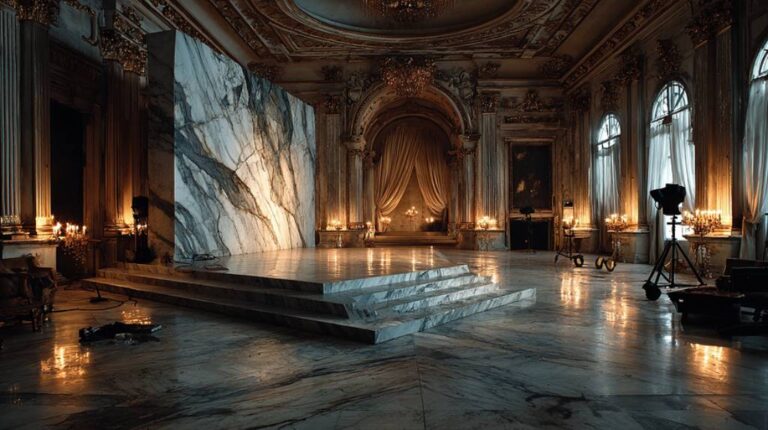
Luxury has always depended on distance. Not merely distance in price, but distance in access, in time, in meaning. Historically, opulence served as its most legible language: gilded interiors, monumental scale, the architecture of abundance. Wealth was translated into visible excess because visibility itself was the point. Luxury announced.
Modern luxury, however, has entered a different cultural condition. In an era of infinite production, constant display, and algorithmic sameness, opulence has become strangely ordinary. Excess is no longer rare; it is everywhere. The contemporary world does not suffer from a shortage of spectacle. It suffers from a shortage of silence.
And it is precisely this shift that has redefined luxury. Scarcity, not opulence, now carries its deepest authority.
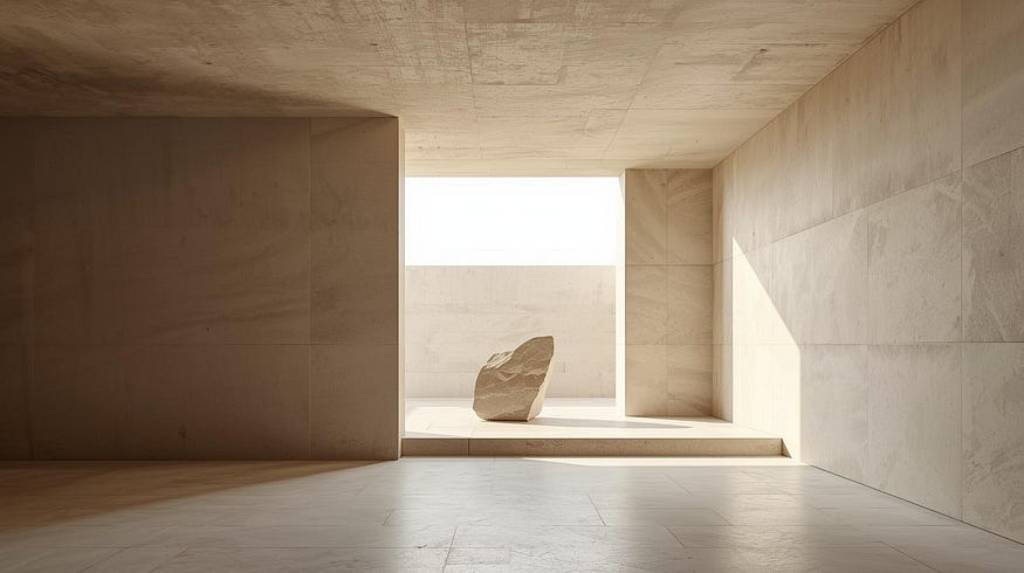
Scarcity is not simply the absence of material. It is the presence of restraint. It is the decision to withhold rather than accumulate, to edit rather than expand, to allow space rather than fill it. In architecture, scarcity manifests as negative space, as quiet proportion, as an atmosphere that refuses immediacy. It is not impoverishment. It is discipline.
Opulence belongs to a world where luxury must prove itself. Scarcity belongs to a world where luxury no longer needs to.
This is not merely an aesthetic transition. It is a cultural one. Pierre Bourdieu reminded us that taste is never neutral; it is a form of capital, a coded system of distinction. What appears natural is often socially trained. In this sense, the contemporary preference for restraint is not accidental. Scarcity has become the new marker of cultural fluency. To own less, but better; to speak softly rather than loudly; to inhabit spaces that do not explain themselves, these are the new gestures of power.
Opulence is easily consumed. Scarcity requires interpretation.
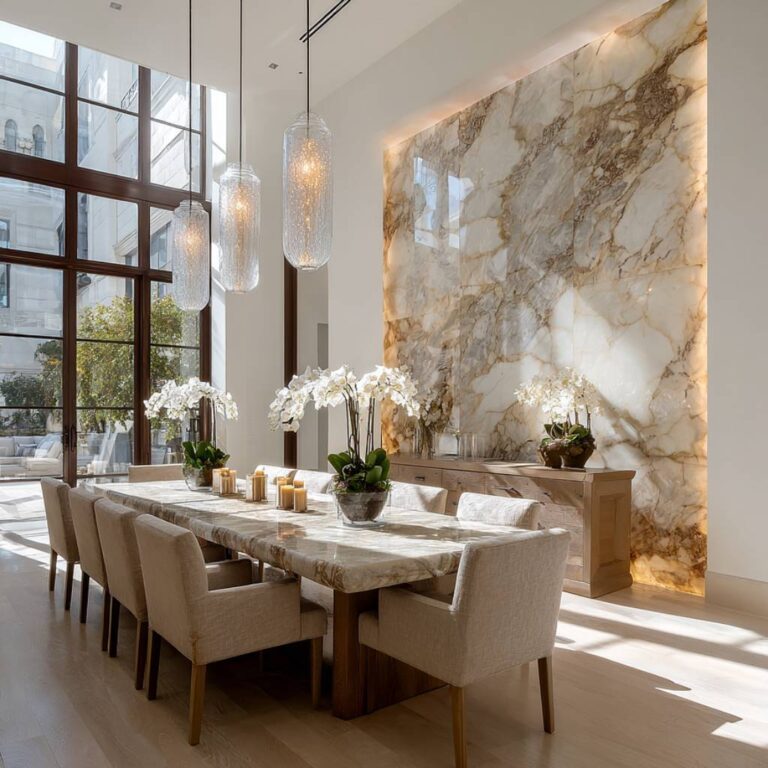
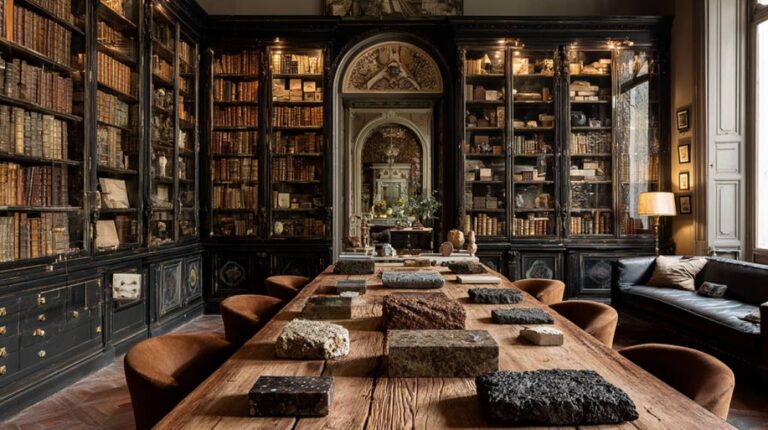
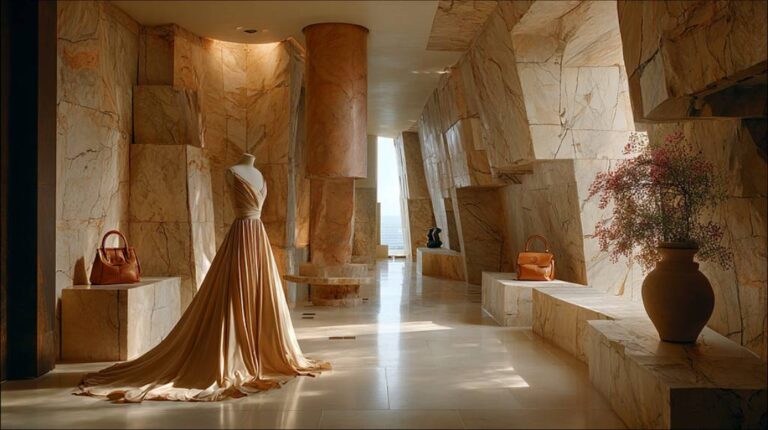
The modern luxury interior is increasingly defined not by what is present, but by what has been removed. The room that feels most expensive is often the least decorated. The most luxurious surface is not the most ornate, but the most silent; the stone that holds time, wood that carries warmth, light that moves without interruption. Scarcity is a form of temporal intelligence. It implies endurance.
The age of mass luxury has accelerated this transformation. When every brand can reproduce the look of abundance, abundance loses its symbolic weight. Marble becomes a print. Gold becomes a filter. Grandeur becomes content. Opulence, once exclusive, becomes replicable. Scarcity remains resistant. It cannot be manufactured at scale because it depends on refusal.
Refusal is the new luxury gesture.
To refuse clutter. To refuse noise. To refuse the tyranny of more.
Architecture, in this context, becomes less about accumulation and more about atmosphere. Luxury is no longer the maximal interior but the controlled one. The home becomes a site of retreat rather than performance. The contemporary elite does not seek rooms that impress strangers; it seeks rooms that protect the self.
This is why modern luxury is increasingly aligned with privacy. Scarcity is inseparable from concealment. What is most valuable is what is not constantly available. The private courtyard, the quiet corridor, the interior that cannot be photographed easily; these spaces represent a deeper form of distinction. They resist the public economy of display.
Opulence is legible. Scarcity is intimate.
History offers a useful lens here. The architectural grandeur of Versailles was designed to stage power through spectacle. But modern power is staged differently. Today, the most potent forms of luxury are often invisible: time, quiet, control over attention. Scarcity reflects a world where power is no longer performed through gold but through autonomy.
To have space that is not monetised. To have silence that is not interrupted. To have a home that does not explain itself. These are contemporary luxuries precisely because they are scarce.
Scarcity also carries ethical undertones. In a world increasingly conscious of consumption, excess has become culturally unstable. Opulence risks vulgarity not because it is beautiful, but because it is unedited. Modern luxury requires justification beyond acquisition. Scarcity offers that justification through restraint, through permanence, through an implied seriousness.
Luxury, in its modern form, wishes to appear timeless rather than excessive.
This is why the language of contemporary high design leans toward the monastic rather than the baroque. Not because luxury has become austere, but because austerity has become a sign of refinement. The most expensive spaces often resemble the least decorated ones. They suggest that nothing needs to be proven.
Scarcity is confidence.
There is also a phenomenological dimension to this shift. Scarcity changes how a space is experienced. An uncluttered room allows attention to deepen. Silence becomes perceptible. Light becomes architectural. The inhabitant becomes more aware, not less. Scarcity creates presence. Opulence often creates distraction.
Modern luxury is not about being overwhelmed. It is about being held.
The contemporary luxury home increasingly functions as sanctuary rather than theatre. Its value lies not in accumulation but in atmosphere: the slow cadence of materials, the generosity of emptiness, the comfort of things that do not demand attention. Scarcity is what makes a space feel permanent.
Opulence is a language of the instant. Scarcity is a language of duration.
To understand modern luxury, then, is to understand that scarcity is not deprivation. It is cultural control. It is the ability to choose less in a world that offers endless more. It is the quiet assertion that value is not located in spectacle but in coherence.
Luxury has not disappeared. It has simply become quieter.
The future of luxury architecture will not be defined by higher ceilings or louder materials. It will be defined by what cannot be replicated: silence, time, restraint, privacy, permanence. Scarcity is the new opulence because it is the only thing the contemporary world cannot mass-produce.
In the end, modern luxury is no longer the art of excess. It is the art of refusal. The most luxurious spaces are those that understand that true wealth does not need to announce itself. It withdraws. It edits. It leaves room.
Scarcity is not the opposite of luxury. It is its most evolved form.