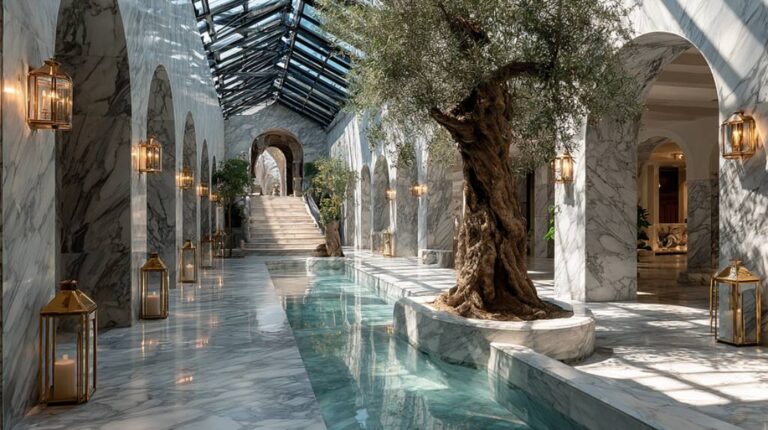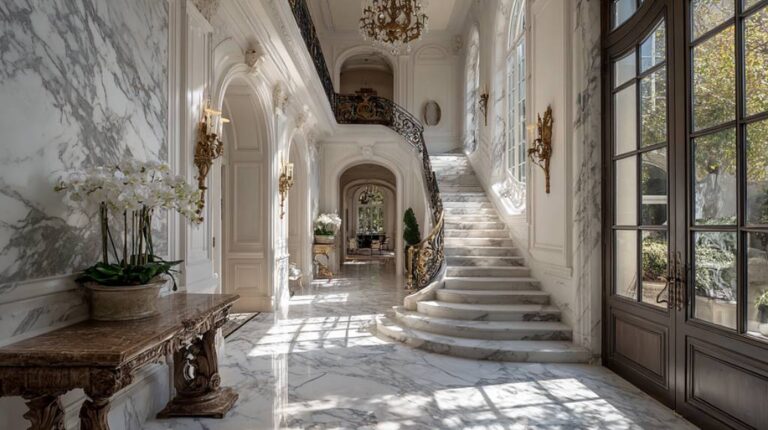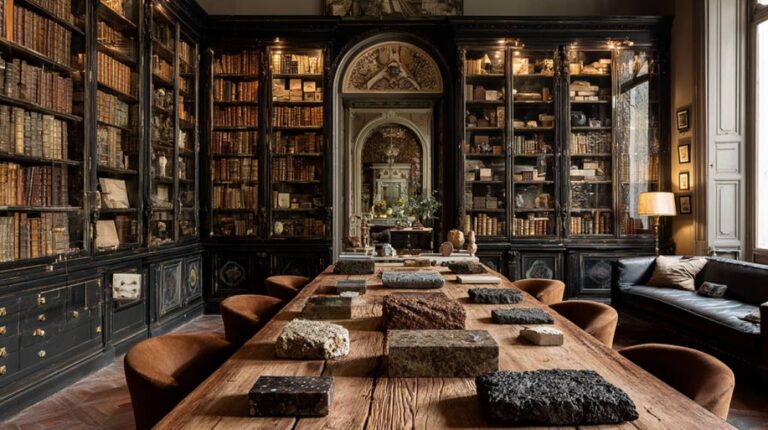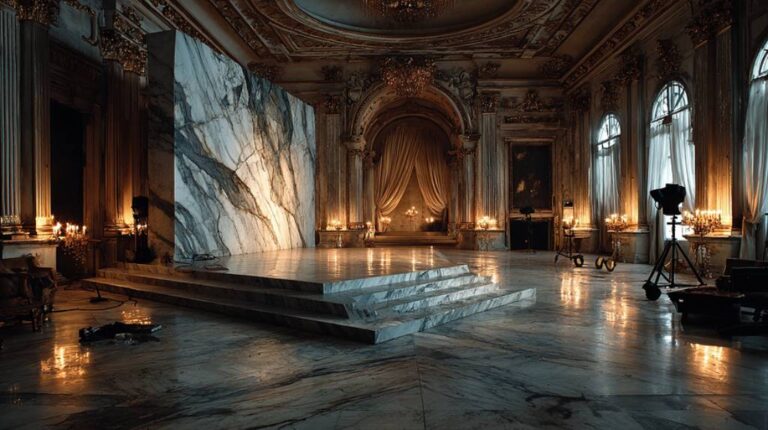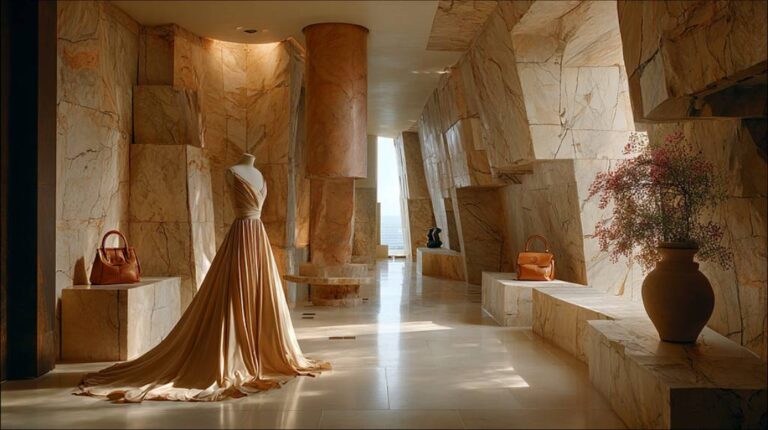
There was a time when luxury announced itself through endurance. Through weight. Through the quiet confidence of materials that did not need to explain themselves. Marble floors worn smooth by generations, timber darkened by time, metal softened by touch. Luxury was not a question of appearance, but of survival. It was measured not by how little was shown, but by how much could last.
And yet, contemporary luxury finds itself increasingly defined by absence.
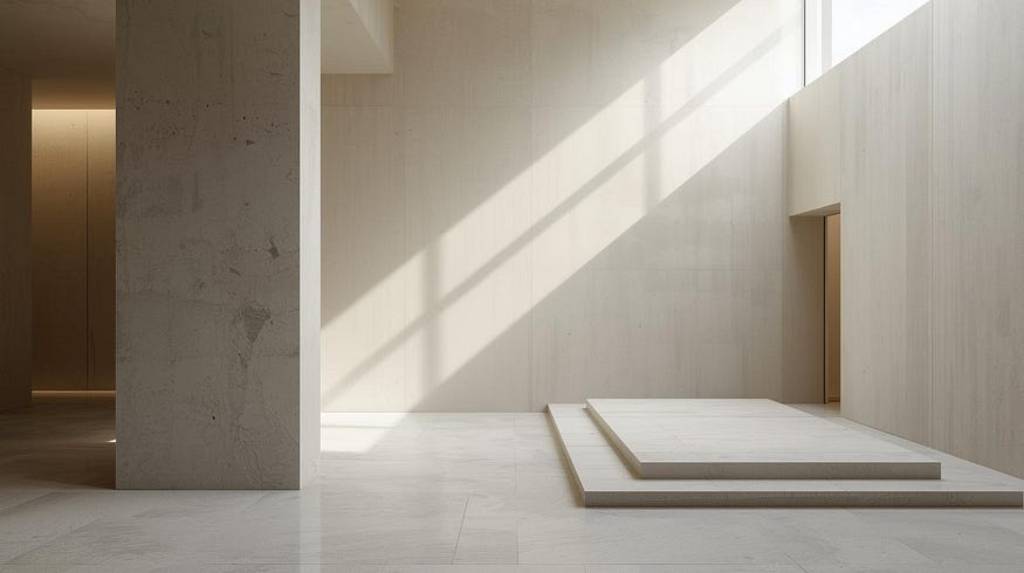
White walls. Silent palettes. Empty rooms photographed as if they were ideals rather than lived spaces. Minimalism has become the dominant aesthetic language of modern luxury across architecture, interiors, fashion, and even lifestyle branding. This shift is often framed as refinement or restraint. But beneath the surface, it signals something more revealing: a profound change in what luxury believes it can promise.
Minimalism, today, is not merely a style. It is a response.
Historically, luxury relied on permanence to justify itself. In pre-industrial societies, the cost of materials and labour ensured that only a few could afford objects designed to last centuries. Architecture was slow. Craft was embedded in time. Buildings and artefacts were conceived not as consumables, but as cultural deposits and repositories of skill, knowledge, and continuity.
Modernity disrupted this logic. Industrial production democratised access, but it also accelerated obsolescence. As Walter Benjamin observed, mechanical reproduction altered not only objects but our relationship to them. The aura of endurance gave way to circulation. Luxury, faced with the erosion of its traditional foundations, was forced to adapt.
Minimalism emerged, in part, as an aesthetic recalibration.
By stripping away ornament, luxury distanced itself from the noise of mass production. Clean lines and restrained forms became a way to reassert distinction in a world saturated with objects. But this was not a return to permanence. It was a strategic withdrawal from complexity. A refusal to engage with the messiness of time.
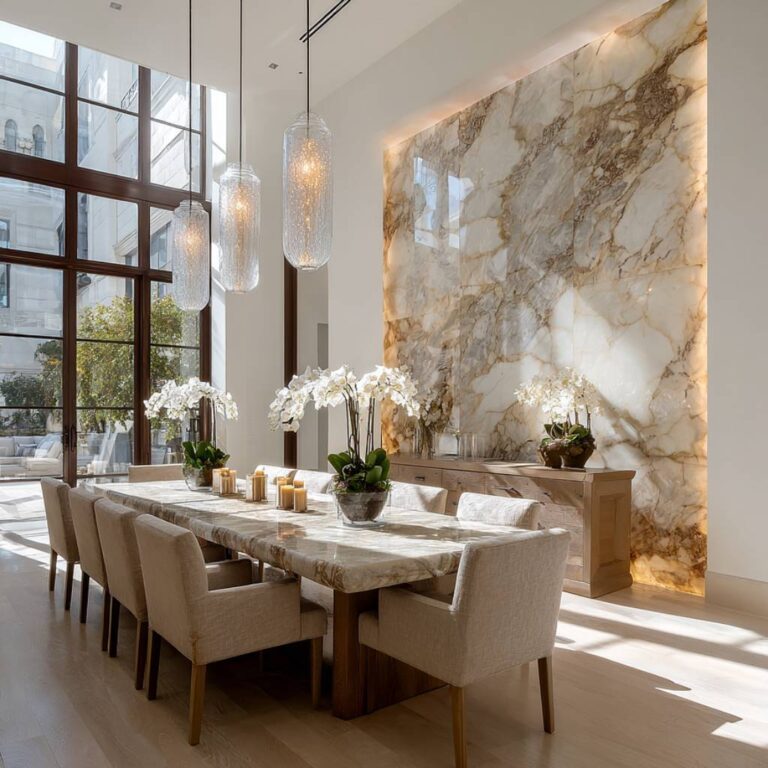
In modern luxury architecture, minimalism functions as a form of visual control. Spaces are designed to appear untouched, unaged, uninhabited. Surfaces are flawless because they are not meant to record life. The emphasis is on first impression, not accumulation. On clarity, not memory.
This is a significant departure from earlier notions of luxury, where patina was not a flaw but a credential.
The obsession with minimalism reflects an anxiety about longevity. In an era where materials are no longer scarce and craftsmanship is often simulated; luxury can no longer rely on physical endurance as its primary claim. Instead, it leans into abstraction. Into atmosphere. Into concepts that resist measurement.
Minimalism offers a convenient solution: it removes the need to prove durability. A white room cannot age gracefully but it can be endlessly refreshed. It can be re-photographed, re-lit, re-branded. Permanence is replaced by reproducibility.
This shift aligns closely with the rise of digital culture. Luxury today exists as much on screens as in physical space. Instagram, editorial platforms, and architectural photography reward legibility over complexity. Minimalist spaces translate easily into images. They are instantly readable, globally recognisable, and culturally portable.
In this context, minimalism becomes less about restraint and more about optimisation.
The modern luxury interior is often designed not for inhabitation, but for circulation of images, of narratives, of status. The absence of clutter is not merely aesthetic; it is strategic. It ensures that nothing distracts from the brand, the architect, or the idea being sold.
Minimalism also allows luxury to maintain a veneer of moral superiority. In a world increasingly conscious of excess, restraint is framed as ethical. Less becomes synonymous with responsibility. Sparse interiors are presented as sustainable, even when their materials and construction processes are anything but.
This ethical framing is crucial. It allows luxury to distance itself from accusations of indulgence while preserving exclusivity. Minimalism suggests self-control, discipline, and taste, these qualities historically are associated with power.
Yet this restraint is often cosmetic.
Behind the pared-back façade lies an industry driven by rapid turnover, seasonal updates, and constant novelty. Minimalist luxury spaces may look timeless, but they are frequently redesigned within a few years. The absence of visible wear masks a lack of actual endurance.
Permanence, once a defining feature of luxury, has become inconvenient. It slows down consumption. It resists reinvention. It demands accountability over time.
Minimalism, by contrast, accommodates change. It allows luxury to remain flexible, adaptable, and responsive to trends without appearing fickle. A neutral palette can absorb new furniture, new art, new narratives with minimal friction.
This flexibility is often mistaken for timelessness.
True permanence, however, is not neutral. It is specific. It carries the marks of its making and its use. It resists easy categorisation. It requires commitment from both the creator and owner.
Minimalism avoids this commitment. By reducing form to essentials, it also reduces responsibility. There is nothing to maintain, nothing to preserve, nothing to inherit. The space exists in a perpetual present.
This presentism reflects a broader cultural condition. Contemporary luxury operates in a world that privileges immediacy over continuity. Speed over depth. Visibility over substance.
Minimalism fits this condition perfectly.
It offers the appearance of seriousness without its burden. It suggests refinement without demanding endurance. It allows luxury to appear thoughtful while remaining fundamentally transient.
This is not to say that minimalism lacks value. At its best, it can create moments of clarity, calm, and focus. It can strip away noise and allow materials and proportions to speak. But when minimalism becomes the default language of luxury, it risks hollowing out the very qualities that once justified luxury’s existence.
The question, then, is not why modern luxury is obsessed with minimalism, but what that obsession reveals.
It reveals a discomfort with time. A reluctance to age. A preference for surfaces that do not remember.
In earlier eras, luxury accepted decay as part of its narrative. Today, it edits decay out entirely.
Perhaps the future of luxury lies not in further reduction, but in re-engaging with permanence not as nostalgia, but as resistance. Resistance to disposability. To endless refresh. To design that exists only to be replaced.
True luxury was never about having less. It was about having something worth keeping.
Minimalism, in its current form, often forgets this.