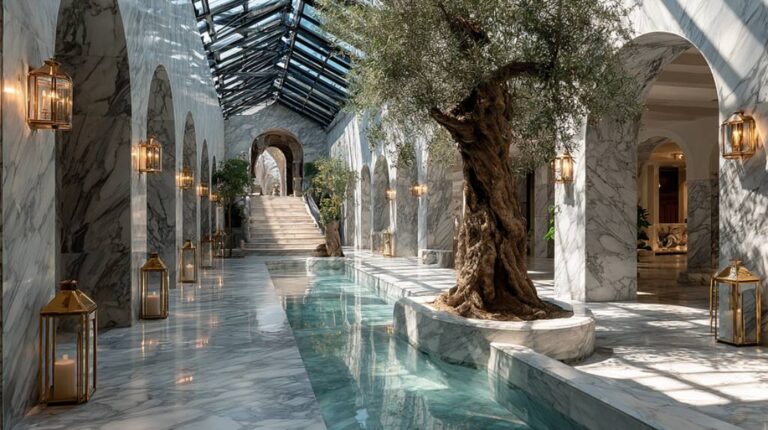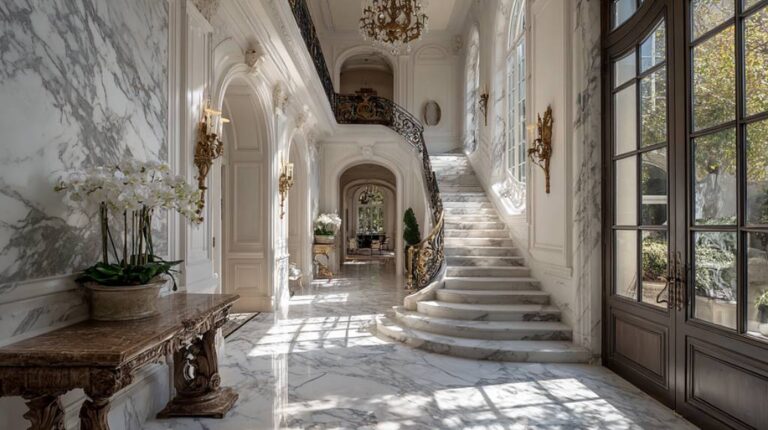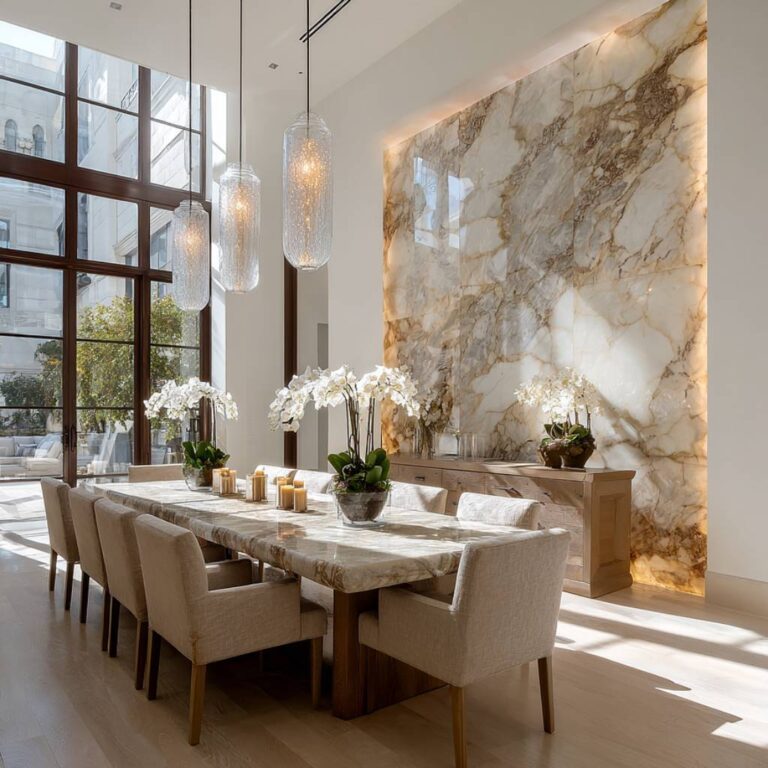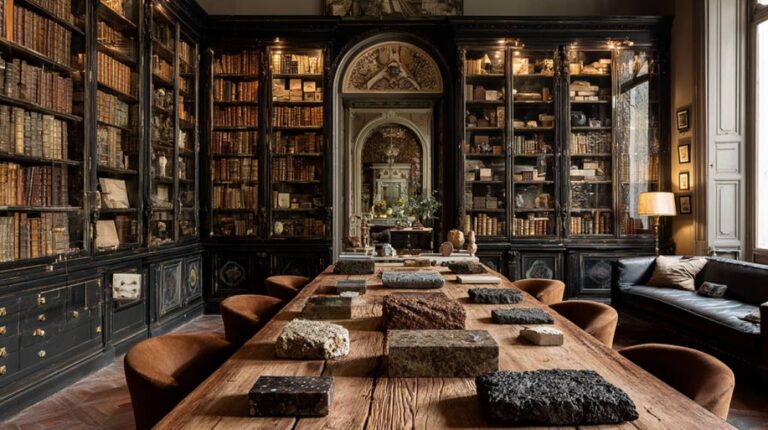
Luxury has traditionally been constructed through symbols. It has relied on brands, lineage, recognisable authorship, and the controlled circulation of objects. For decades, the language of prestige has been tied to names like who designed it, who crafted it, who can access it. In architecture, this translated into signature designers, imported materials, and curated interiors that functioned as coded environments of cultural capital. Yet at the highest levels of private architecture today, something quieter and more fundamental is occurring. Luxury is detaching itself from brand narratives and reattaching itself to matter, specifically, matter that predates us.
Luxury is becoming geological.
This shift is not aesthetic; it is philosophical. In an era saturated with visibility, recognition is no longer rare. Brands are searchable, amplified, and algorithmically distributed. Prestige can be purchased and displayed instantly. But for those operating beyond the need for visible validation, value is migrating away from logos and toward depth. Geological material introduces depth in its most literal sense. It is not fabricated within seasonal cycles or financial quarters. It is formed through sedimentation, mineral crystallization, tectonic pressure, processes unfolding across millions of years without regard for human ambition. When such matter enters a residence, it does more than finish a surface. It inserts planetary time into domestic space.
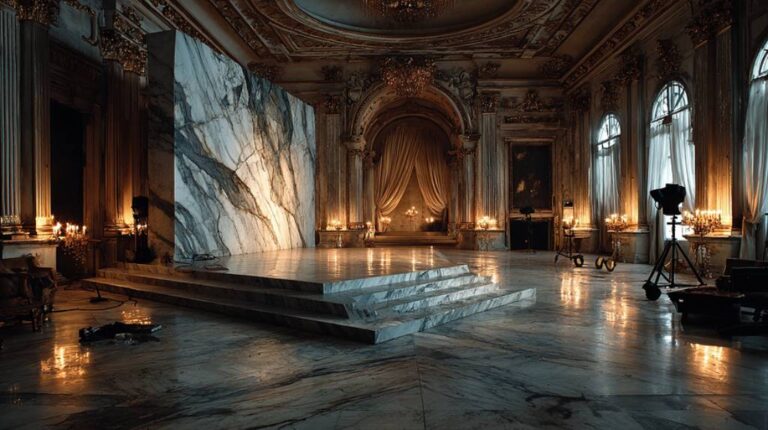
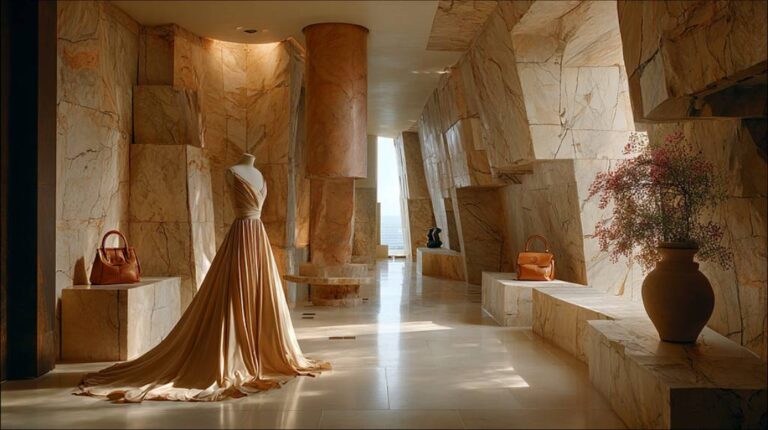
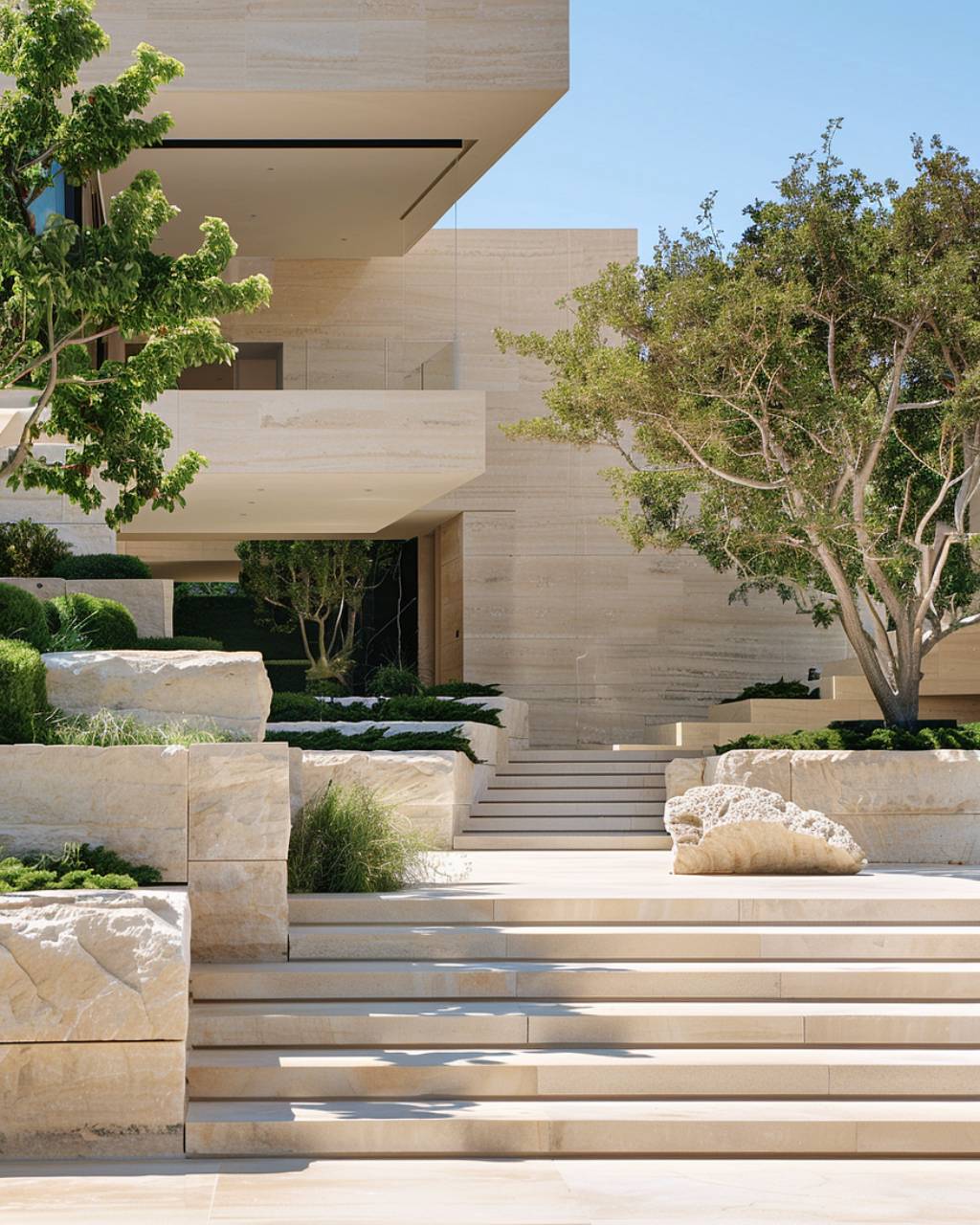
This insertion recalibrates the meaning of luxury. It moves it away from spectacle and toward permanence. To inhabit geological material is to surround oneself with time that predates history and will outlast biography. Ownership shifts subtly under this condition. One does not simply possess an object; one curates a fragment of the earth’s narrative. The residence becomes less a container for branded pieces and more a curated landscape composed of extracted terrain. Floors cease to feel like installed products and begin to read as ground. Walls no longer behave as decorative planes but as mass. The home evolves into a composed geology.
The idea of the house as curated landscape represents a decisive cultural pivot. Instead of importing identity through recognisable labels, architecture derives authority from origin. The value of a surface lies not in its market recognition but in its formation story. Geography replaces branding as the ultimate source of distinction. This transition mirrors broader fatigue with replication. In a global market where even “limited” objects can be scaled and distributed, exclusivity has become fragile. When visibility becomes ubiquitous, singularity becomes the rarest commodity. Geological matter offers singularity without performance. Each formation carries internal variation that cannot be replicated precisely. Each slab is cut from a specific moment of mineral history that cannot be recreated in full. Once placed, it becomes inseparable from that site.
There is also a psychological dimension that resonates strongly within ultra-high-net-worth circles. Wealth at scale increasingly seeks anchoring rather than amplification. Financial systems fluctuate, technological paradigms shift, and cultural relevance rotates rapidly. Geological material remains indifferent to these cycles. It carries stability not because it is marketed as timeless, but because it literally is. Its authority is not borrowed from trend; it is embedded in age. Living within matter that predates civilization introduces a quiet recalibration of perspective. It situates daily rituals like movement, gathering, stillness, within a material context that has survived epochs.
Historically, civilizations have expressed power through mineral permanence. From Roman marble to Mughal stone complexes, density signalled dominion over territory and time. Even modern minimalism, despite its aesthetic restraint, retained this impulse toward grounding. The ornament was removed, but the mass remained. Today’s most refined residences continue this lineage, though with greater subtlety. The goal is no longer theatrical monumentality but composed gravitas. Veins are oriented rather than concealed. Thickness is proportioned rather than exaggerated. The architecture does not shout permanence; it inhabits it.
When luxury becomes geological, branding recedes in importance. Craft and authorship still matter, but they operate in service of origin rather than spectacle. The hierarchy shifts from who assembled the material to how deeply that material connects to geological narrative. A residence built from matter that predates civilization carries implicit authority because it participates in continuity beyond ownership cycles. It suggests that the inhabitant values time not as urgency but as inheritance.
This orientation changes the sensory experience of space. Light interacts differently with mineral surfaces than with engineered composites. Dense material holds temperature with quiet inertia. Sound resonates with depth rather than hollow reverberation. These qualities are not immediately dramatic, but they accumulate into atmosphere. Luxury becomes less about immediate visual impact and more about sustained physical presence.
In a culture that has commodified almost everything, geological matter remains resistant to full commodification. It can be extracted, shaped, and transported, but it cannot be manufactured in entirety. Its formation precedes design intent. That precedence grants it authority. It does not depend on narrative; it carries one intrinsically.
Homes that embrace this geological consciousness feel less temporary. They feel anchored to sediment rather than season. They resist the need for constant reinvention because their identity is not trend-based. They are curated terrains, assembled with discernment rather than decorated for display.
In this final evolution of material awareness, luxury returns to something elemental. It moves from logo to land, from product to planet, from brand to matter. The shift is quiet, but it is profound. When luxury becomes geological, it stops asking to be recognized. It simply remains.