For centuries, luxury design was inseparable from geography.
Materials reflected climate, architecture responded to landscape, and interiors carried the memory of regional craft traditions. To enter a refined home in Italy, Japan, or Morocco was to encounter a different cultural language, the one shaped by light, temperature, history, and social ritual. In this older understanding, global luxury did not exist as a single visual style. Luxury had a sense of place.
Today, that distinction is fading.
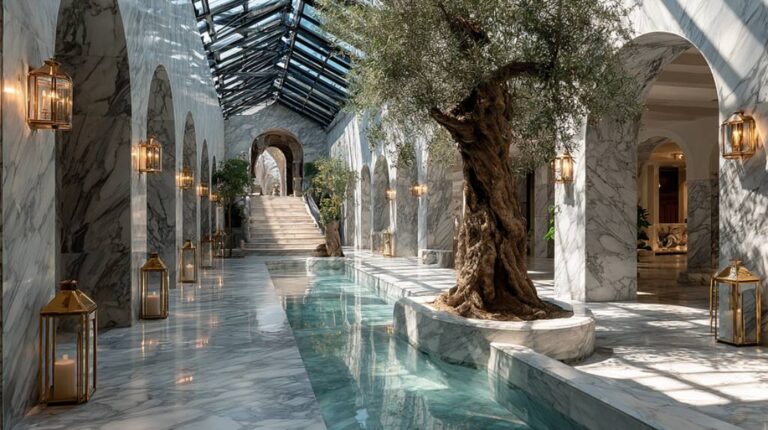
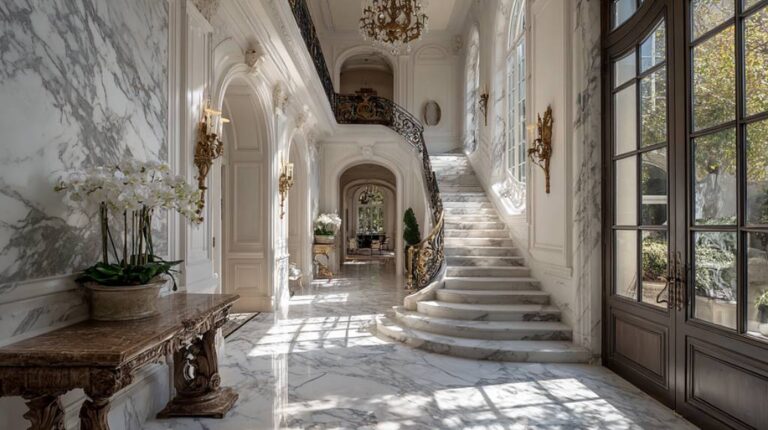
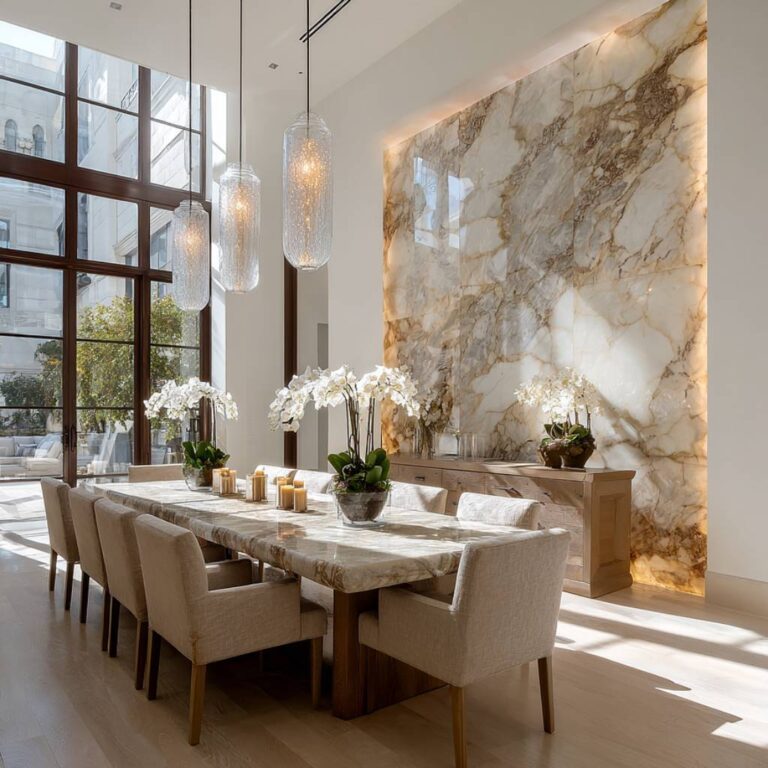
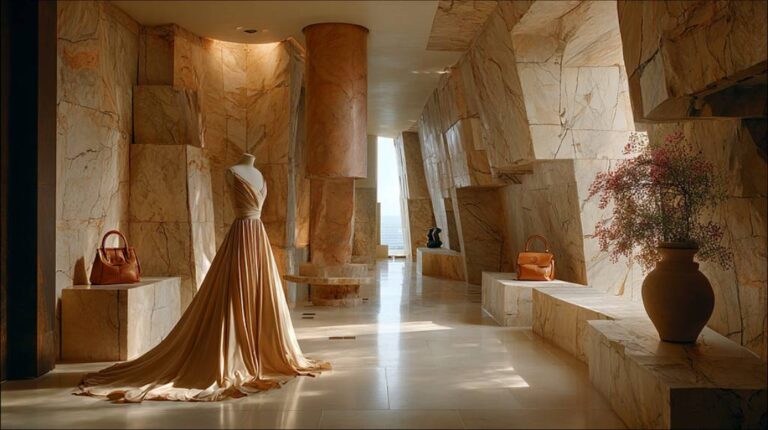
Across major cities, from London and Dubai to Singapore, New York, and Mumbai; high-end residences increasingly share the same restrained palette, pale stone surfaces, soft neutral tones, and purified geometric forms. This aesthetic, often described as international minimalism, has become the dominant expression of luxury interior design trends worldwide. It signals sophistication instantly, travels easily across borders, and photographs beautifully for digital platforms. Yet its very universality raises a deeper cultural question:
When luxury looks the same everywhere, does it lose meaning?
The Rise of Placeless Luxury
The emergence of placeless architecture is closely tied to globalization.
Affluent clients now live transnational lives, moving between cities rather than belonging to a single one. International design firms operate across continents, using standardized materials and globally sourced finishes. Social media circulates interiors detached from context, encouraging replication rather than regional response. Under these conditions, neutrality becomes desirable. A space that feels elegant everywhere becomes commercially powerful anywhere.
This is the logic behind much of contemporary global luxury design; calm, controlled, and culturally non-specific.
But neutrality has consequences.
When interiors no longer reflect climate, history, or local craftsmanship, they risk becoming visually refined yet emotionally shallow. The experience is serene but silent. One may admire the composition without sensing where one truly is.
What Traditional Luxury Understood About Place
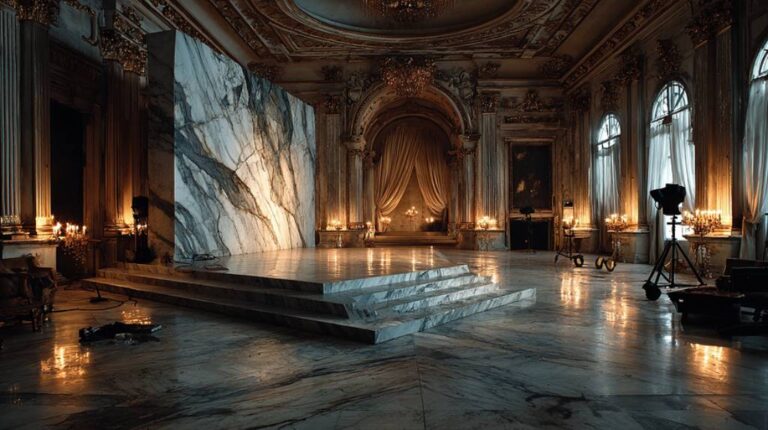
Historically, the most enduring forms of architectural luxury were deeply rooted in environment. Mediterranean villas used thick walls, courtyards, and shaded loggias to negotiate heat and sunlight. Northern European homes relied on timber, enclosure, and layered textiles to create warmth. Desert architecture employed mass, shadow, and wind-catching geometry to survive extreme climates. Even ornament functioned as cultural memory, encoding belief, hierarchy, and local symbolism.
In these settings, luxury was not decoration alone.
It was belonging expressed through design.
The refinement of space emerged from dialogue with land and culture, not distance from them.
International Minimalism: Beauty Without Geography
The appeal of minimalist luxury interiors is undeniable.
When practiced with discipline, minimalism creates stillness, clarity, and emotional calm. It removes distraction and allows proportion, light, and material to take precedence. Many of the world’s most respected architects have demonstrated how restraint can produce profound spatial experience.
Yet repetition without context transforms purity into sameness.
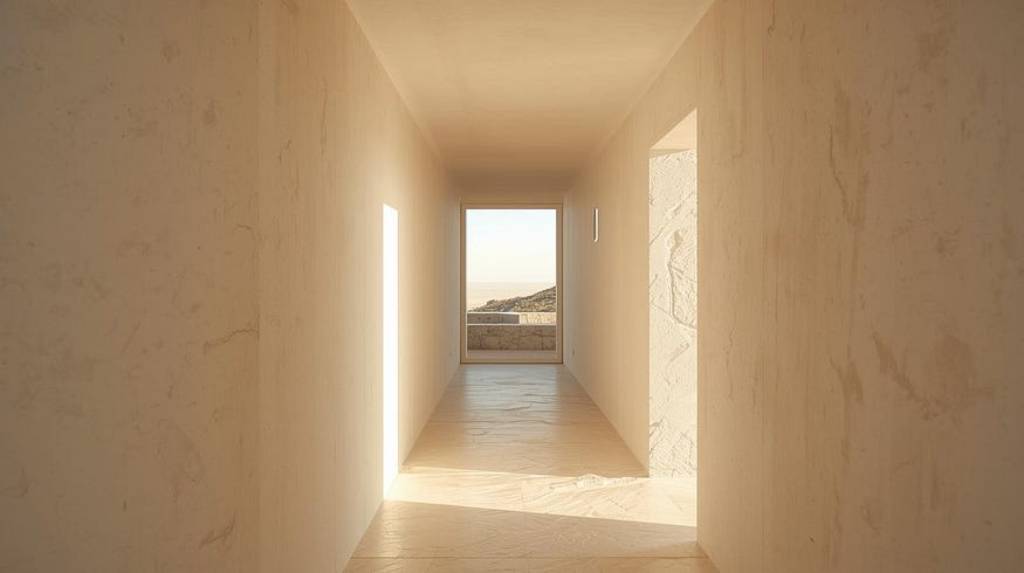
A limestone interior in Tokyo identical to one in Los Angeles may feel elegant, but it also feels detached. The space belongs everywhere, and therefore nowhere. This is the paradox of placeless luxury:
timeless in appearance, but thin in cultural depth.
Luxury, Identity, and Cultural Memory
The loss of place in contemporary luxury architecture is not only aesthetic; it is sociological.
Place anchors identity.
It connects individuals to landscape, community, and inherited memory. When design becomes globally uniform, it risks erasing these subtle emotional references. Comfort remains, but belonging disappears.
This shift mirrors broader cultural patterns in globalization, where efficiency and mobility often override continuity.
In such a world, true luxury may no longer be visual perfection, but the preservation of meaning, spaces that still speak the language of where they stand.
Signs of a Quiet Return to Place
Despite the dominance of international minimalism, a counter-movement is emerging within high-end residential architecture and luxury hospitality design.
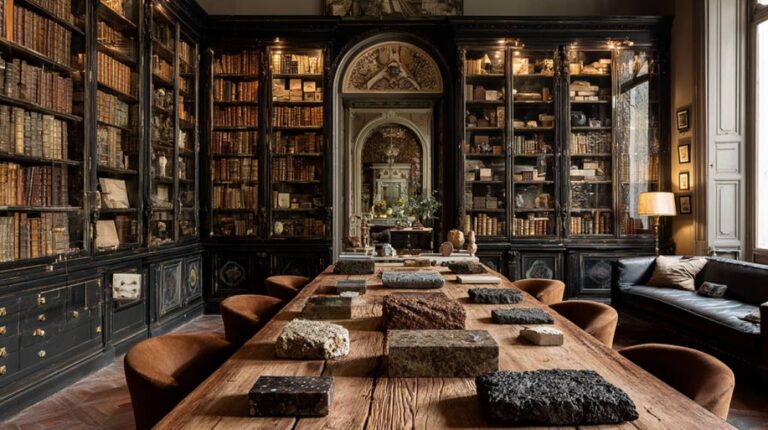
Some architects are returning to regional stone, timber, and craft, not as nostalgia, but as cultural continuity. Others reinterpret vernacular forms through modern geometry, creating spaces that feel both contemporary and grounded. Instead of rejecting minimalism, they localize it.
In these projects, calm does not erase geography; it reveals it.
Light behaves differently. Materials carry geological memory. Proportions respond to climate. The result is a new form of contextual luxury design; one that balances global refinement with local identity.
The Future of Global Luxury Design
The central question is no longer whether luxury should be global or local.
It is how the two can coexist.
Future-oriented luxury interior design may depend on three shifts:
- From neutrality to contextual minimalism
Minimalism that responds to climate, culture, and terrain rather than ignoring them. - From replication to interpretation
Using regional materials and crafts in contemporary ways instead of copying historic styles. - From visual perfection to emotional resonance
Designing spaces that feel meaningful over time, not just photogenic in the present.
If these shifts occur, global luxury architecture may regain depth without losing clarity.
Rediscovering the Meaning of Place
Ultimately, the most powerful luxury has never been pure aesthetics.
It has been the quiet confidence of belonging somewhere fully.
Spaces shaped by this confidence do not need dramatic ornament or spectacle.
Their identity is felt in light, texture, proportion, and atmosphere. They remind occupants not only that they are comfortable; but that they are situated.
In an increasingly borderless world, this rediscovery of place may become the next evolution of true luxury design.
Because when luxury remembers where it stands,
it also remembers why it matters.