Power rarely needs to announce itself. The most enduring authority is not performed through slogans, but embedded in environments made habitual, felt as “normal,” and absorbed without argument. Architecture is one of the most effective carriers of this quiet power because it operates through scale, sequence, access, and symbolism. It persuades the body before it persuades the mind.
1) Power as distance: making hierarchy feel natural
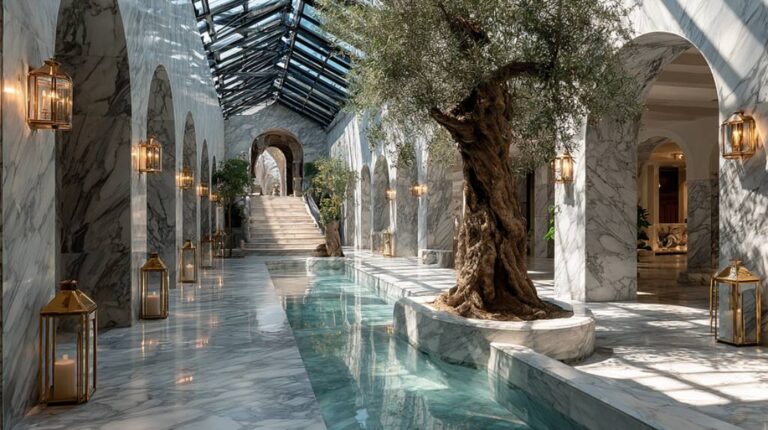
Across empires and institutions, architecture has repeatedly translated hierarchy into distance between ruler and subject, public and private, permitted and prohibited. The logic is spatial: the farther one must travel, wait, be screened, or ascend, the more “earned” access appears. This is why palaces, headquarters, and high-culture institutions choreograph approach: gates, forecourts, thresholds, corridors, and guarded interiors. The body learns rank through movement. Even before one understands the rules, one feels them.
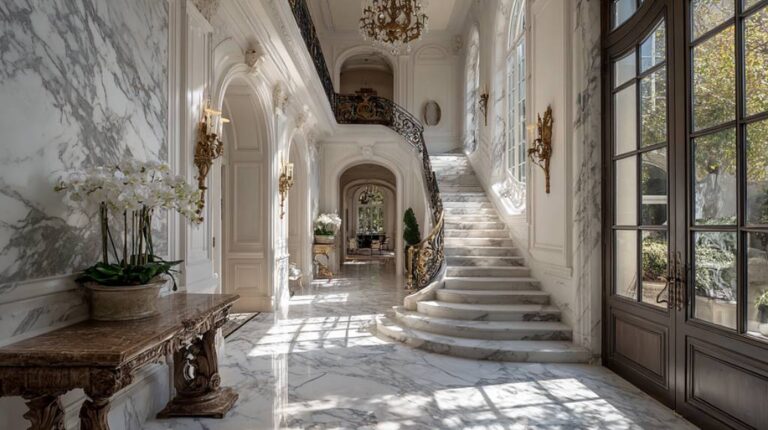
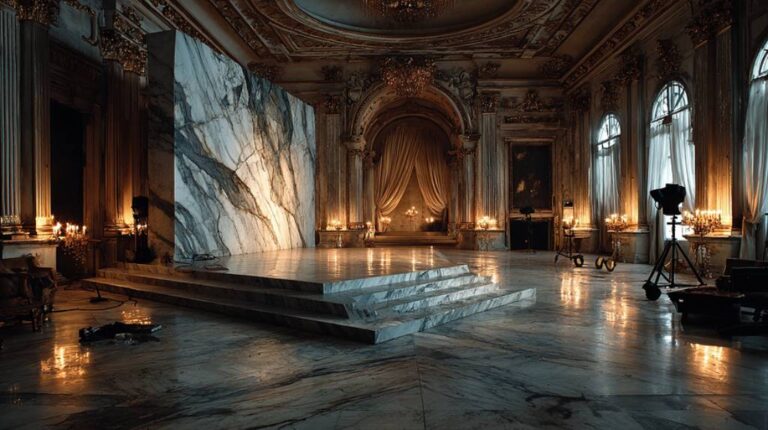
Historically, Baroque environments mastered this theatre of distance. Versailles did not merely house power; it rehearsed it daily through procession, visibility, and controlled proximity. Modern power often rejects explicit spectacle, but keeps the same mechanics: curated entry, controlled sightlines, and the slow reveal of privileged zones.
2) Monumentality: scale as an argument you cannot debate
Monumental scale is not only about impressing. It is about shrinking the individual into compliance. When architecture dwarfs you; vast lobbies, high ceilings, endless façades, it creates a psychological asymmetry. The building becomes the “speaker,” the visitor the listener.
Totalitarian and state monumentalism made this explicit (from certain strains of Fascist classicism to Soviet civic grandeur), but monumentality is not confined to politics. Corporate power uses its own versions: towers that dominate skylines, atriums that resemble civic temples, headquarters that borrow the calm confidence of museums. The message is never stated, yet it is understood: permanence, inevitability, command.
3) Taste as power: cultural capital disguised as “good design”
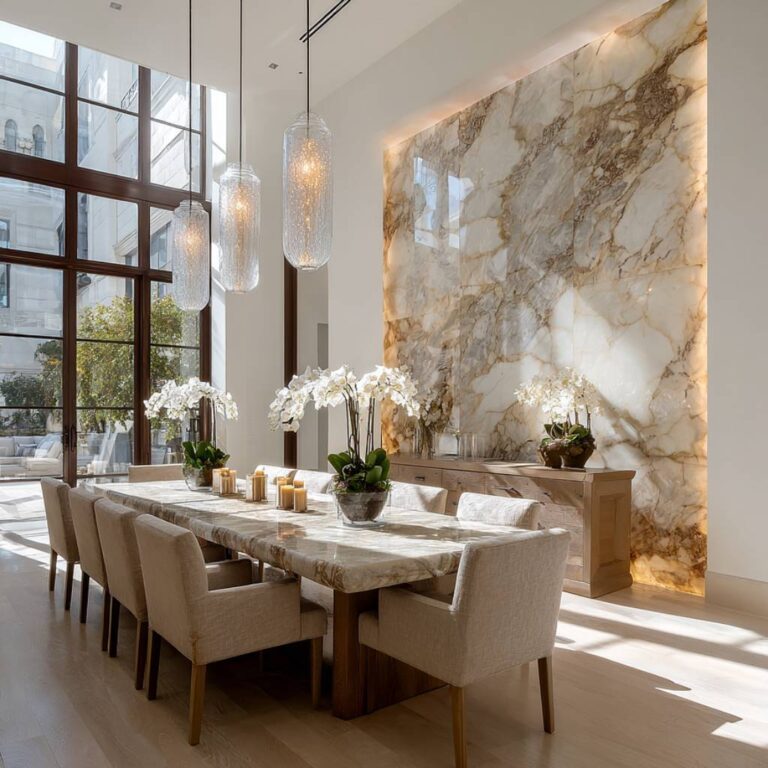
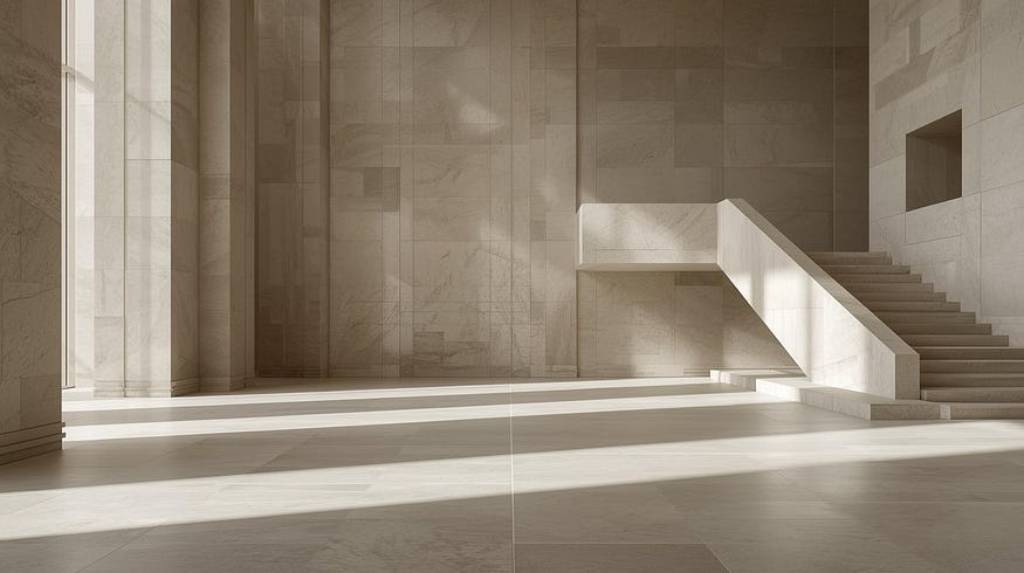
Power does not only appear as size. It appears as taste. Here the mechanism is subtler: what looks “refined” often functions as a gate. Pierre Bourdieu’s idea of cultural capital helps explain how aesthetic preference becomes social sorting. Minimalism, restraint, heritage materials, quiet proportions, these can read as timeless, “natural,” even morally superior. But they can also operate as codes: signals of education, belonging, and status.
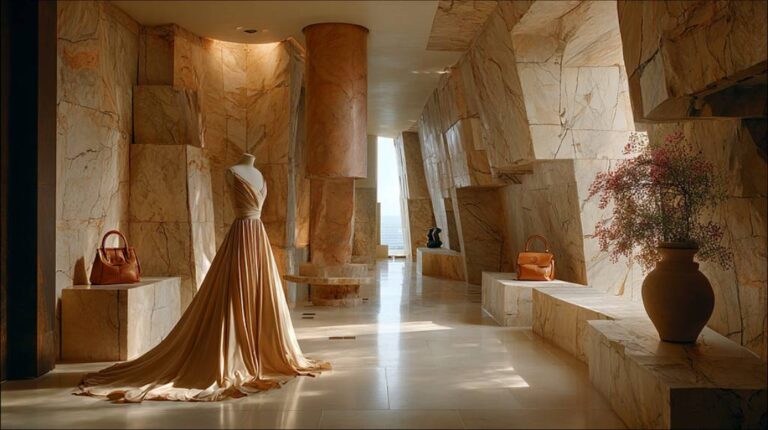
This is why “understated luxury” can be more powerful than opulence. It suggests you don’t need to display wealth because you already possess the social legitimacy that makes display unnecessary. The building doesn’t shout; it assumes.
4) Scarcity: the modern signature of dominance
In contemporary luxury culture, scarcity has become the most persuasive form of power. Not scarcity as lack, but scarcity as control: space withheld, privacy protected, access limited, attention unprovoked. What is scarce cannot be easily copied. Opulence can be replicated; scarcity is harder to counterfeit because it is built on refusal.
This is the cultural shift behind quiet luxury: the ability to leave space empty, to avoid visual pleading, to resist the marketplace of spectacle. Scarcity communicates authority because it implies autonomy freedom from needing approval.
5) Craft and permanence: time as the ultimate status symbol
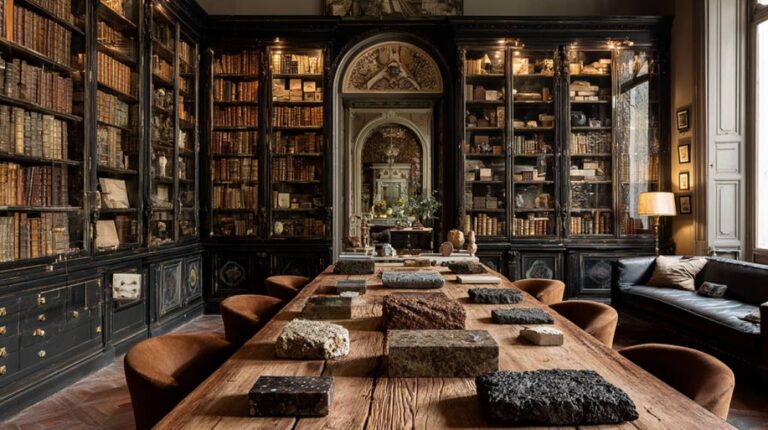
Architecture can display power through time rather than display. Craft, patina, and permanence express a kind of wealth that is not merely financial but temporal. If a building appears to have outlasted fashion or to be built to outlast it, then it signals long-duration power: dynastic, institutional, generational.
This is why older typologies carry authority: stone civic buildings, classical orders, austere monasteries, heritage villas. Even when modern architecture rejects classical language, it often borrows the idea of permanence through calm materiality and careful detailing. Time becomes the message.
6) The politics of visibility: who is seen, who is hidden
Architecture distributes visibility unevenly. Power often sits where it can see without being seen. This is not just metaphorical; it is spatial strategy. Elevated positions, screened interiors, mirrored glass, controlled lighting, private corridors, these shape who can observe and who can be observed.
Think of the panoptic logic described by Michel Foucault: design can discipline simply by producing the possibility of surveillance. Contemporary versions are smoother: access cards, discreet security, “open” public-facing zones that stop just short of real entry. The building feels welcoming, yet remains unreadable.
7) Ritual and choreography: architecture as a script
Power is reinforced through ritual. Architecture writes ritual into daily life: where one stands, where one waits, when one turns, how one enters, how one is addressed. Religious architecture perfected this long ago through naves, aisles, altars, sanctums; structuring awe through movement. Civic and corporate architecture inherits the same grammar: reception desks as altars, lobbies as naves, executive floors as sanctums.
When a space becomes a script, the user’s behavior becomes predictable. Predictability is a form of power.