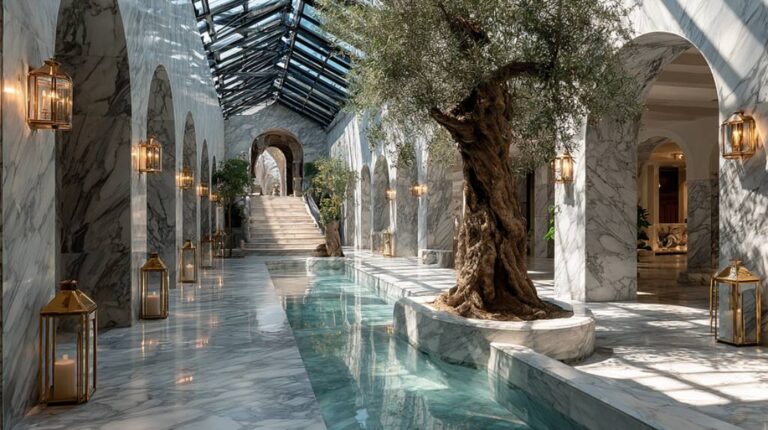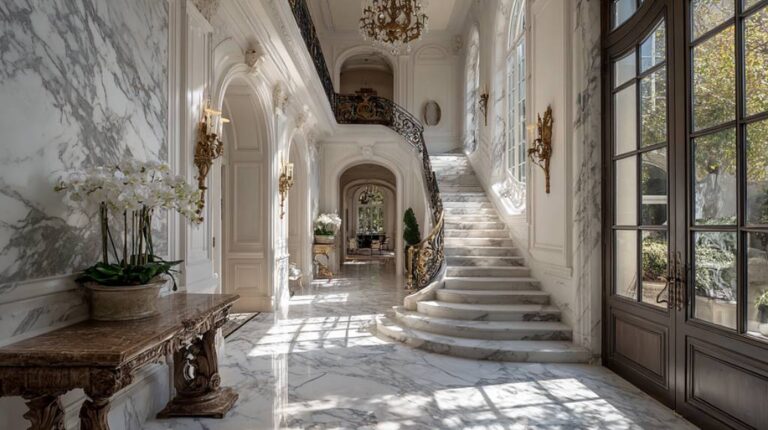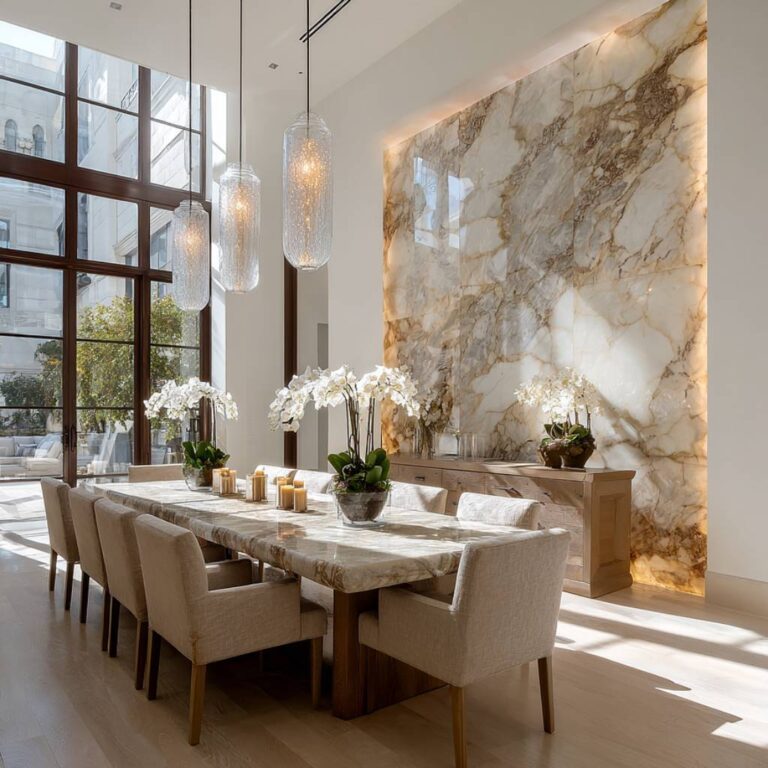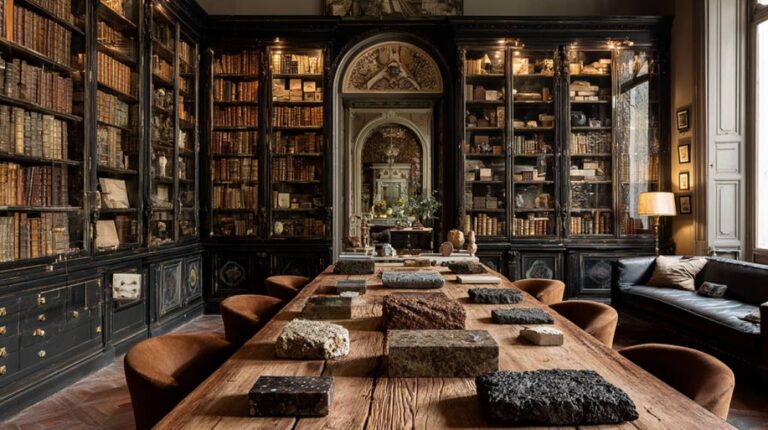
Luxury has never disappeared but has merely learned to speak more quietly.
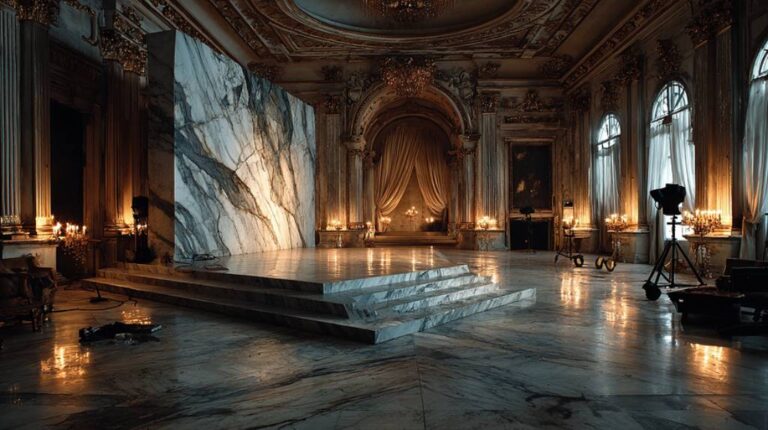
For centuries, architectural luxury announced itself through ornament. Carved stone, gilded surfaces, elaborate mouldings, and visual excess functioned not only as decoration but as declaration. They made power visible. They transformed wealth into legibility. The palaces of Europe, the courts of Asia, the civic monuments of empires all relied on ornament as a cultural language through which authority could be read.
To build richly was to build loudly.
Yet contemporary luxury, in its most refined expressions, has largely abandoned this vocabulary. What now defines prestige is not accumulation but control. Not display but discipline. The evolution from ornament to restraint is not a stylistic trend; it is a profound cultural shift in how civilisation understands refinement.
Restraint, today, is luxury’s highest articulation.
Ornament as a Social Performance
Historically, ornament functioned as a social instrument. It externalised hierarchy. It converted economic power into symbolic form. Complexity of surface became a measure of importance; visual density became proof of cultural legitimacy.
In pre-industrial societies, where literacy was limited and communication slow, architecture performed as a public text. Ornament was not superfluous, it was semiotic. It narrated myth, lineage, religion, and governance. The building spoke for its patron.
Luxury, in this context, required visibility.
But ornament also required labour, time, and mastery. Its presence signified not only wealth, but access to skill, craft, and material networks. It was cultural capital made tangible.
The Intellectual Turn
The modern period introduced a different value system. As industrialisation altered production and as bourgeois rationality replaced aristocratic ceremony, architecture began to privilege clarity over complexity.
The critique of ornament, articulated most famously in early twentieth-century theory, was not merely aesthetic. It was moral. Excess came to be associated with waste, irrationality, and regression. Simplicity aligned itself with progress, honesty, and intellectual maturity.
Restraint emerged as a form of ethics.
In this shift, luxury did not vanish; it became internalised. The emphasis moved from surface to structure, from embellishment to proportion, from decoration to spatial intelligence. To appreciate such environments required education. The codes of distinction became less visible, more subtle, and therefore more exclusive.
Minimalism as Cultural Discipline
Minimalism is often misread as absence. In reality, it is one of the most demanding cultural positions, architecture can adopt.
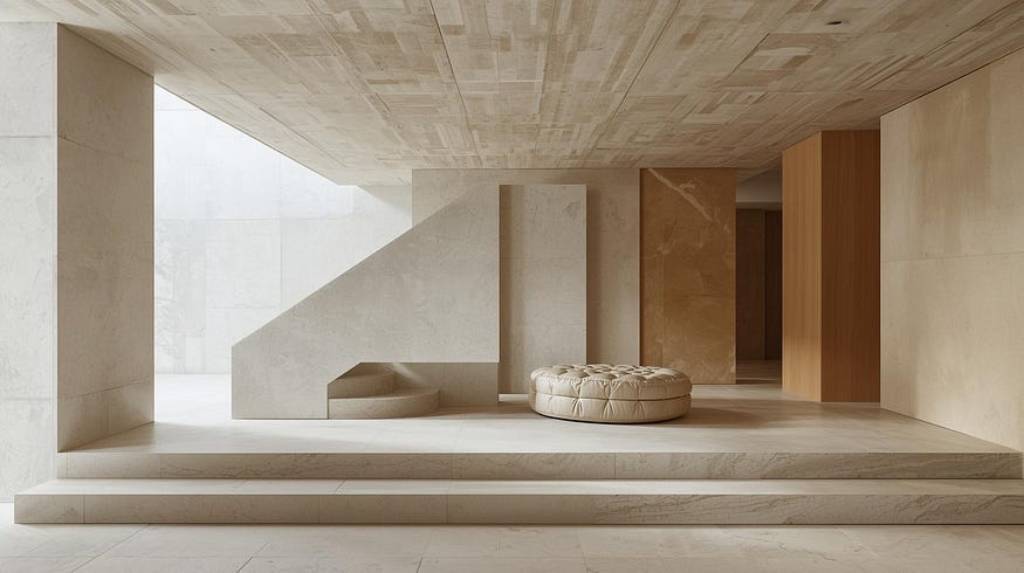
To remove ornament is not to simplify design, but to intensify responsibility. Every joint, every proportion, every material transition becomes exposed. There is no surface to distract from inadequacy. The success of restraint depends on coherence.
This is why restrained luxury is rarely inexpensive. It replaces visible cost with invisible precision.
The cultivated eye recognises this immediately. The untrained eye often does not.
In contemporary society, wealth has become increasingly performative. Visibility is easily accessible. Novelty is abundant. Yet cultural legitimacy remains scarce.
Restraint functions as a filter.
It distinguishes those who possess from those who belong. Those who consume from those who compose. Those who seek attention from those who command it.
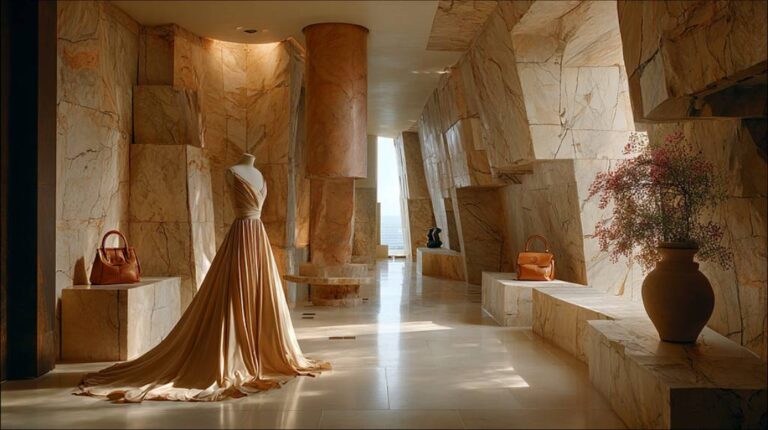
The quiet interior, the calibrated façade, the disciplined material palette communicate authority without spectacle. They suggest permanence rather than immediacy. They imply continuity rather than conquest.
Luxury, here, is no longer theatrical. It is institutional.
Time as the New Ornament
One of the most significant aspects of this shift is the role of time.
Ornament attempted to achieve instant richness. Restraint allows richness to emerge slowly. Patina replaces polish. Age replaces novelty. Meaning replaces image.
The restrained building improves with inhabitation. Its surfaces record use. Its spaces deepen through occupation. Its luxury is not consumed at first glance; it is discovered.
In this sense, time becomes the new ornament.
Ethical Luxury
Restraint also carries ethical resonance in an era of environmental and material consciousness. Excess is no longer culturally neutral. To design with less, but with intelligence, is increasingly perceived as a form of responsibility.
Luxury today is judged not only by what it shows, but by what it refuses.
The disciplined home, the measured building, the edited environment articulate values as much as aesthetics. They suggest an understanding of limits, a quality historically absent from conspicuous wealth.
The Quiet Authority of Form
Ultimately, the shift from ornament to restraint represents a transformation in how power wishes to be perceived.
Where ornament sought admiration, restraint seeks credibility.
Where decoration demanded attention, proportion earns trust.
Where excess performed status, coherence establishes it.
The most authoritative spaces today do not impress. They persuade.
They do not decorate culture. They embody it.
Conclusion
Luxury has matured and not diminished.
The contemporary language of prestige is no longer carved in surface, but constructed in thought. It resides in the intelligence of form, the discipline of material, and the confidence of silence.
In architecture, restraint is not the absence of luxury.
It is its most advanced condition.