In an age of screens, automation and immaculate surfaces, touch has become one of the clearest signs of material confidence
The contemporary home is full of things we can see but are not always invited to feel. Glass screens respond to the brush of a finger, but they offer almost nothing back. Appliances are sleek, sealed and remote. Smart systems reduce friction. Purchases arrive without conversation. Payments happen without cash changing hands. Even luxury, for a long stretch, became increasingly visual: spaces photographed beautifully, surfaces perfected, rooms composed to be consumed at a glance.
Against that background, touch has acquired unusual power.
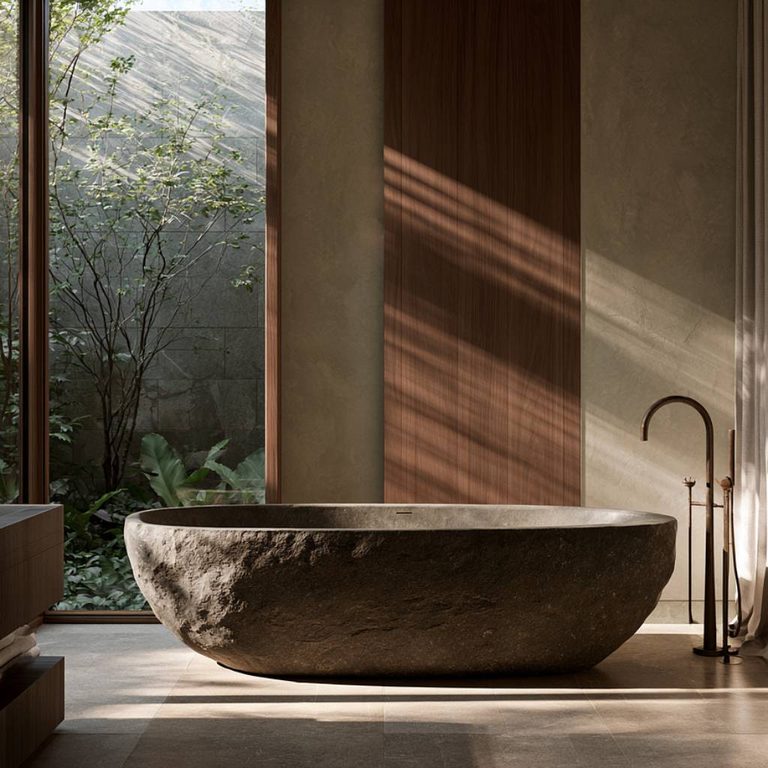
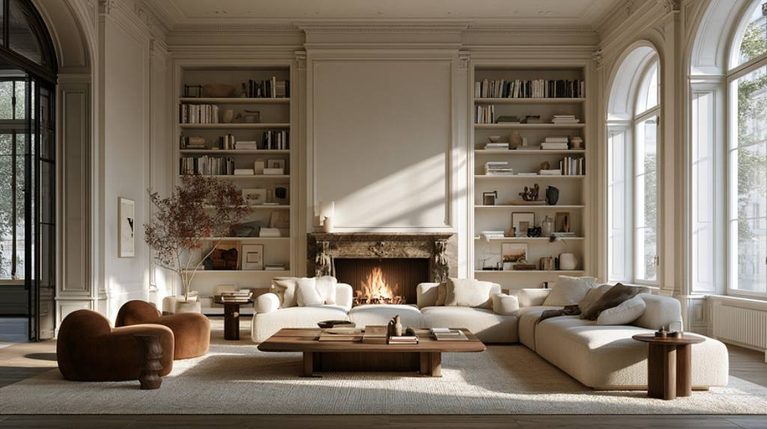
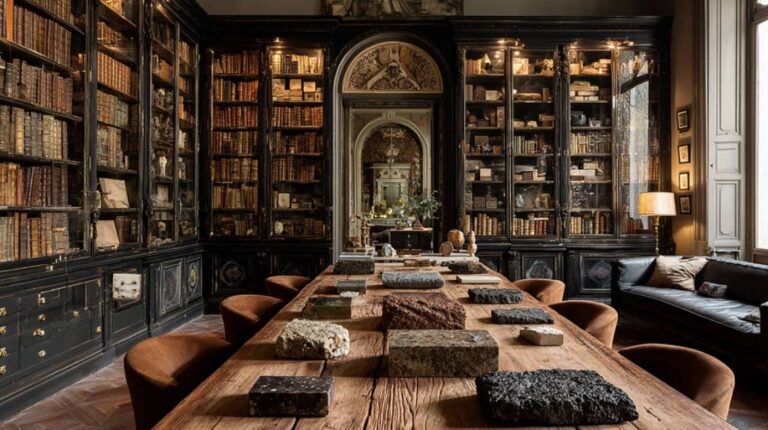
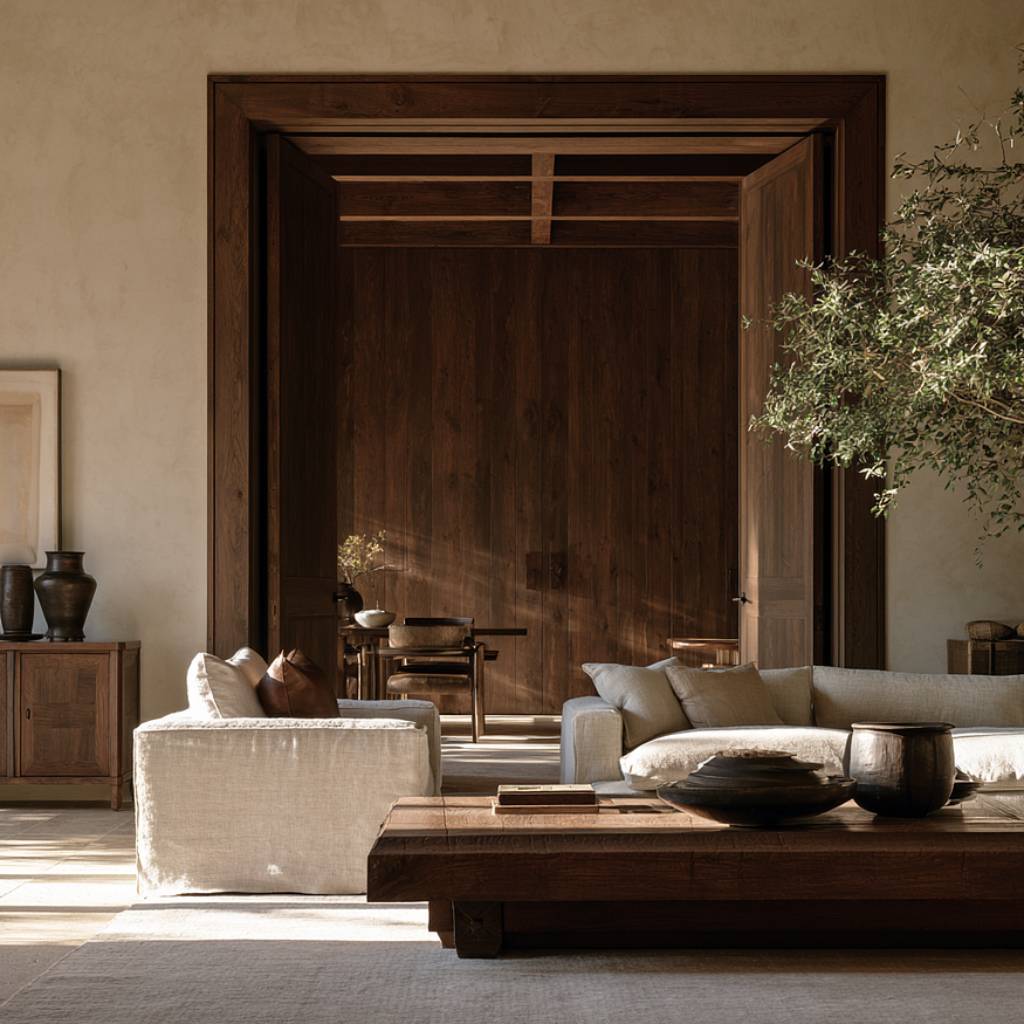
The most memorable interiors now are often not the ones that simply look expensive. They are the ones that ask something of the hand. A limewashed wall with a slight drag in its surface. A timber table whose grain has deepened through use. A slab of leather that warms slowly. A handwoven textile with visible irregularity. Bronze hardware that changes where it is held. Stone that remains cool in the morning and gathers warmth as the day unfolds. These are not merely finishes. They are encounters.
This shift reveals something larger than taste. It suggests that status is moving away from pure visibility and towards sensory depth. When so much of life is mediated through smooth, glowing interfaces, tactile richness begins to feel rare. Rarity has always shaped status. What changes is the form it takes.
The Scarcity of Touch
Luxury has often depended upon distance. Precious things were kept behind glass, placed out of reach or handled ceremonially. In the modern domestic interior, however, a different ideal is gaining ground. The desirable object is not necessarily the one that appears untouched. It is the one that improves through contact.
That is a significant cultural turn. For years, design aspiration leaned towards immaculate control. Surfaces were selected for visual coherence, ease of maintenance and photographic clarity. Tactility was present, but often secondary to the image. A room could be admired before it was inhabited. The eye led; the hand followed.
Now the hierarchy is changing. People still want visual beauty, but they also want reassurance that the home exists in the physical world. The most persuasive materials today do not simply reflect light attractively. They register use, absorb time and respond to the body. The home, after all, is not a showroom visited once. It is where human beings lean, cook, sit, bathe, read, gather and age. A domestic environment that remains purely optical can begin to feel strangely evasive, as though it is withholding the very intimacy that home is supposed to provide.
Part of this change comes from digital fatigue. The more our professional and social lives move through screens, the more meaningful tactile experience becomes. Touch restores proportion. It reminds us that materials have weight, temperature, density and resistance. It slows judgement. One can form an opinion about an image instantly. A tactile surface asks for time.
Materials That Answer Back
This is one reason why certain materials carry renewed authority. Not because they are fashionable, but because they give something back to the senses.
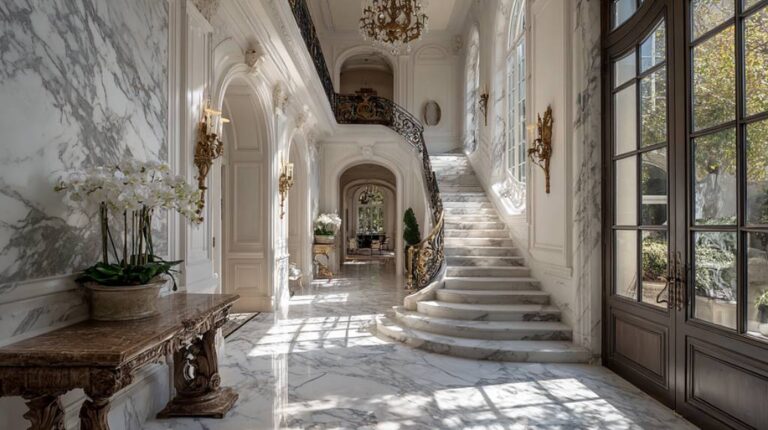
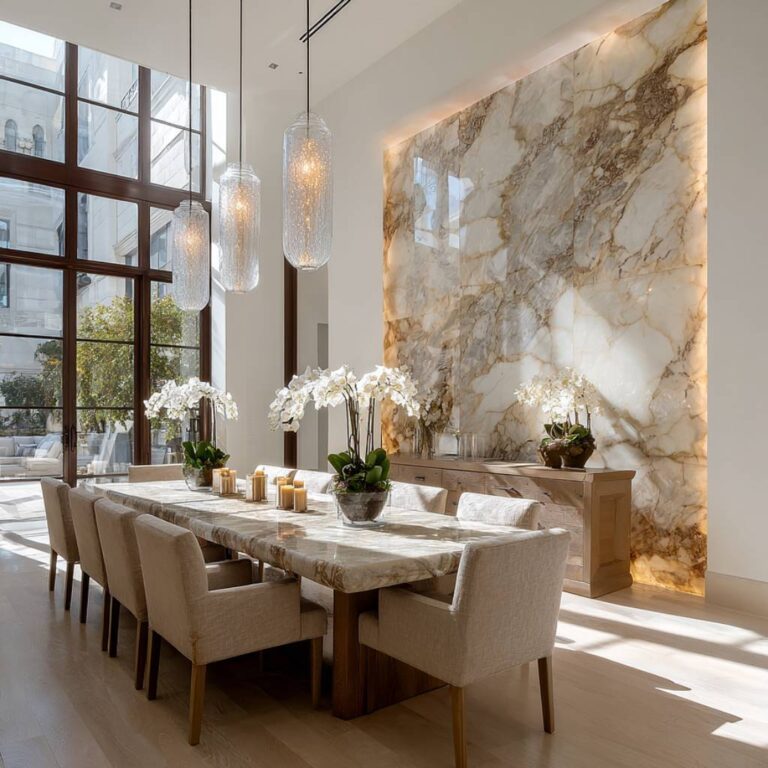
Natural stone is among the clearest examples. Its appeal is not exhausted by veining or colour. The hand recognises polish differently from honed texture; edges, depth and temperature all matter. Timber offers another form of intelligence. Solid wood records use and repair in ways that veneered or synthetic imitations often cannot. Linen, wool, leather, plaster and ceramic each possess distinct tactile languages. They reward proximity.
Craftsmanship becomes crucial here. A hand-finished surface rarely feels identical to an industrially standardised one, even when the difference is subtle. This is not because the handmade is morally superior in every case, but because making leaves evidence. Touch can detect labour. The slight resistance of a drawer, the softness of a rubbed finish, the weight of a cast handle, the tension in a woven textile: these are forms of knowledge translated into matter.
It is no accident that many of today’s most considered interiors rely upon materials that reveal process. They do not need to announce craft sentimentally. Their value lies in the fact that the user can sense that decisions were made, techniques mastered and time invested. The hand becomes an instrument of recognition.
This also changes the meaning of decoration. Texture is no longer a secondary embellishment applied to rescue a neutral scheme. It becomes part of the architecture of feeling. A room rich in tactile variation can remain visually restrained and still feel abundant. In that sense, touch offers an alternative to spectacle. It allows interiors to feel luxurious without requiring them to become louder.
Status After Display
If touch is becoming a status symbol, it is not because soft fabrics and textured walls are new. It is because they now signal a form of discernment that image alone cannot fully communicate.
Visual status is relatively easy to imitate. A colour palette can be copied. A style can be replicated from references. Furniture silhouettes can be repeated at lower cost. Tactile quality is harder to counterfeit convincingly. It depends upon materials, fabrication, ageing and care. It often becomes legible only at close range. This makes it especially powerful in a culture saturated by reproduction.
There is also an interesting paradox at work. The tactile home is often less defensive than the purely visual one. It permits contact. It assumes use. It trusts the body. That confidence is itself a luxury. A house where every surface must remain untouched can feel more anxious than affluent. By contrast, a home that allows bronze to darken, leather to crease and wood to soften demonstrates belief in longevity. It expects life to happen.
This helps explain why so many thoughtful contemporary interiors are moving beyond cold perfection. The issue is not carelessness. It is a more mature understanding of value. Things that can age with dignity ask to be lived with, not preserved in suspended purity.
For architects and designers, this changes the brief. It is no longer enough to compose rooms that photograph elegantly. One must think about grip, softness, temperature, patina, grain, absorbency and wear. Material selection becomes less about abstract beauty and more about bodily experience. The question shifts from “How does this look?” to “How will this feel in five years of use?” That is a more demanding question, and a more humane one.
For brands and makers, the implications are equally significant. The companies likely to matter in this landscape are those that can speak convincingly about finish, fabrication, repair, ageing and sensory experience. Textile houses, stone specialists, timber workshops, leather studios, bathroom brands, hardware makers and ceramic producers all have an opportunity here, provided they resist the temptation to reduce tactility to a marketing adjective. If touch is the new status symbol, it is because it is difficult to fake.
The home has always been a place where values become physical. Today, one of the most telling values is the desire to feel the world again. After years of frictionless systems and immaculate images, people are looking for evidence that life still passes through the hand. A surface that receives touch, keeps its memory and improves with time offers more than pleasure. It offers orientation.
Status once depended upon being seen possessing the right things. Increasingly, it may depend upon knowing how to live with them.
Habitus Journal Editorial Note
Habitus Journal welcomes architects, interior designers, textile houses, stone specialists, hardware makers, ceramic studios, leather ateliers, bath and kitchen brands, and other makers working with tactile material expression to share projects, objects and processes for possible editorial consideration. We are especially interested in work that explores touch, finish, patina, sensory experience and the relationship between craftsmanship and domestic life.
Follow or subscribe to Habitus Journal for essays on architecture, culture, craftsmanship, materiality and the meaning of luxury.