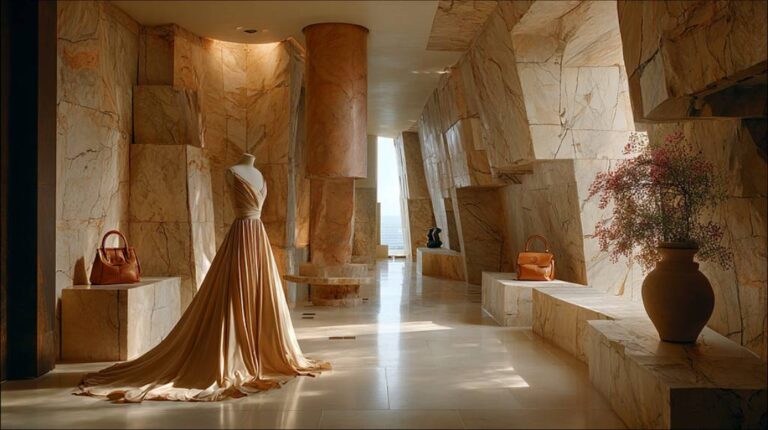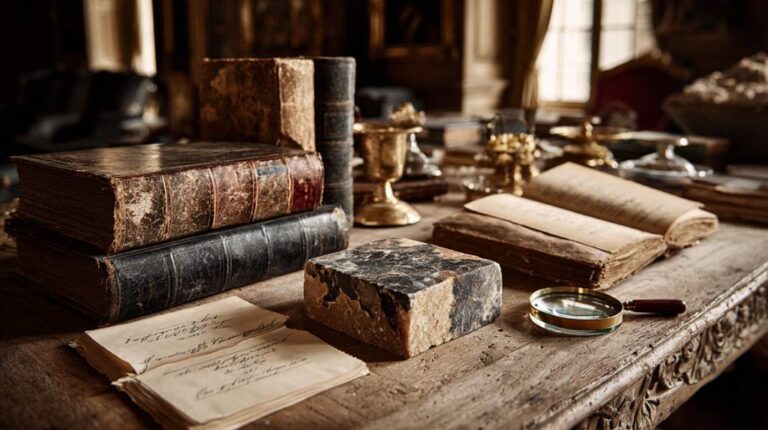
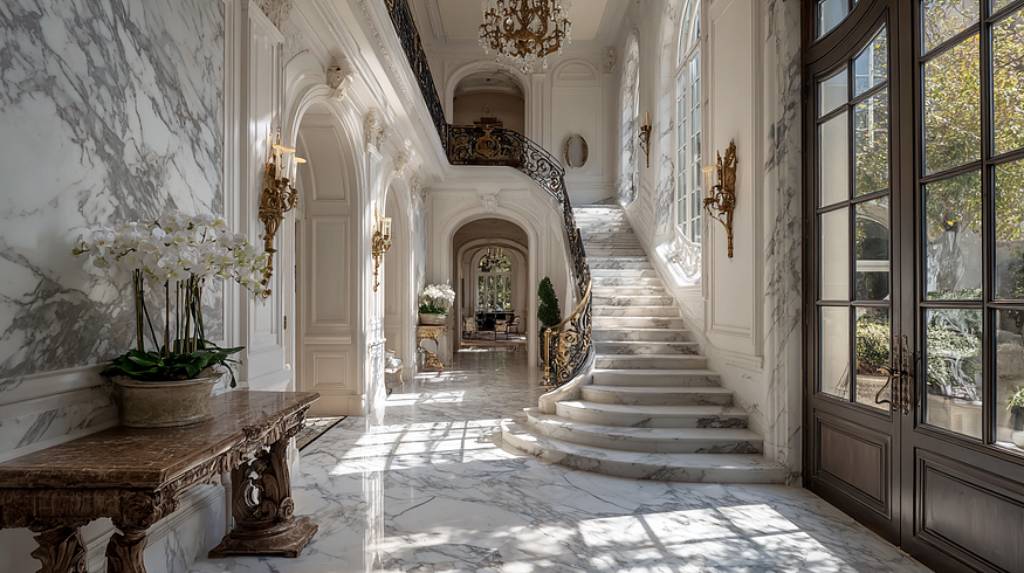
Luxury brands have traditionally been understood through the products they sell. Fashion houses sell clothing, watchmakers sell timepieces, furniture companies sell interiors, and stone companies supply slabs. The relationship is transactional. A customer purchases an object, the transaction concludes, and the brand moves on to the next client. Yet the world’s most enduring luxury institutions have never been defined solely by commerce. They have survived because they became custodians of culture before they became retailers of products. Museums preserve memory. Universities preserve knowledge. Libraries preserve ideas. The most respected luxury houses preserve craftsmanship. Increasingly, this distinction may determine which brands remain relevant over the next century and which disappear as markets inevitably evolve.
The idea of custodianship represents a profound shift in how businesses create value. A retailer asks, “What can we sell?” A custodian asks, “What are we responsible for preserving?” The difference may appear philosophical, but it has significant commercial implications. Brands that define themselves only through inventory inevitably compete on price, availability or trends. Brands that define themselves through stewardship compete on trust, authority and cultural relevance. One sells products. The other shapes industries.
This distinction has become increasingly important in architecture and design because the materials that shape our built environment are no longer judged solely by their appearance. Clients want to understand provenance, craftsmanship, environmental responsibility and long-term performance. Architects expect technical expertise rather than catalogues. Designers seek collaborators capable of advancing conversations around materiality instead of merely supplying products. In this environment, the role of a material company begins to change. It is no longer simply a distributor of surfaces. It becomes an educator, archivist and interpreter of the material itself.
Natural marble illustrates this transformation particularly well. A slab of Calacatta Borghini, Statuario, Arabescato Corchia or Carrara is not merely a construction material. Each carries geological history measured in millions of years, regional craftsmanship refined across centuries and architectural traditions that have shaped civilisations. Treating such materials as ordinary commodities diminishes their cultural significance. Treating them as cultural artefacts changes the conversation entirely. The value no longer lies only in rarity but in interpretation, documentation and preservation.
This is why some of the world’s most respected luxury organisations invest heavily in activities that generate little immediate commercial return. They publish books, support exhibitions, restore heritage buildings, collaborate with universities, sponsor research and preserve archives. At first glance, these initiatives appear unrelated to sales. In reality, they strengthen something far more valuable than quarterly revenue: institutional authority. They demonstrate that the organisation exists not only to participate in an industry but to advance it.
Architecture has historically depended upon such institutions. Great schools of design, museums, restoration laboratories and research centres have collectively shaped professional knowledge for generations. Yet material companies have often remained outside these cultural conversations despite possessing extraordinary expertise. Imagine the difference if marble companies became recognised not merely for supplying slabs but for documenting geological heritage, educating architects, preserving extraction history, funding restoration research and supporting craftsmanship. Their identity would evolve from commercial supplier to cultural institution.
Perhaps the most powerful luxury brands already understand this principle. They rarely define themselves through products alone. Instead, they cultivate worlds around those products. They become reference points for taste, education and cultural continuity. Their authority is earned through decades of consistent contribution rather than aggressive promotion. They build libraries before advertising campaigns. They create archives before slogans. They invest in knowledge because knowledge compounds in value far longer than inventory.
This philosophy also transforms relationships with clients. Customers purchasing from a retailer expect service. Customers engaging with a custodian expect guidance. The conversation shifts from price to purpose, from transaction to collaboration. Architects seek technical advice. Designers explore material possibilities. Homeowners learn about maintenance, provenance and longevity. Every interaction becomes educational rather than purely commercial. Trust deepens because expertise is shared generously instead of being used merely as a sales tool.
The built environment increasingly rewards precisely this kind of leadership. As sustainability standards become more demanding, supply chains more transparent and clients more informed, expertise itself becomes a competitive advantage. Brands capable of explaining why a particular marble behaves differently from another, how geological formation affects performance, or why maintenance practices preserve longevity are contributing something that extends far beyond product supply. They are building institutional memory for an entire industry.
Custodianship also demands humility. A retailer can afford to chase trends because trends generate short-term demand. A custodian must think in generations because preservation requires patience. Every decision is evaluated not only for immediate commercial benefit but for its contribution to long-term cultural value. This perspective encourages investment in education, documentation, conservation and collaboration rather than constant reinvention. It recognises that reputation grows slowly through stewardship rather than rapidly through promotion.
Perhaps this is where luxury itself is quietly evolving. Increasingly, consumers do not seek brands that merely possess exceptional products. They seek organisations whose values, expertise and cultural contributions justify lasting confidence. Beautiful materials remain essential, but materials alone are no longer enough. The organisations behind them must also become trusted interpreters of their significance.
The future therefore, belongs not to brands that simply move products from warehouse to project, but to those that preserve knowledge, elevate craftsmanship and contribute meaningfully to the disciplines they serve. In architecture, as in culture, institutions outlast retailers because they are remembered for what they protected rather than merely for what they sold. Luxury ultimately finds its highest expression not in ownership, but in stewardship. A true custodian understands that every extraordinary material carries a responsibility extending far beyond the moment of purchase. It becomes part of a larger cultural inheritance, and the brands that recognise this responsibility will shape the future of luxury far more profoundly than those focused only on the next sale.