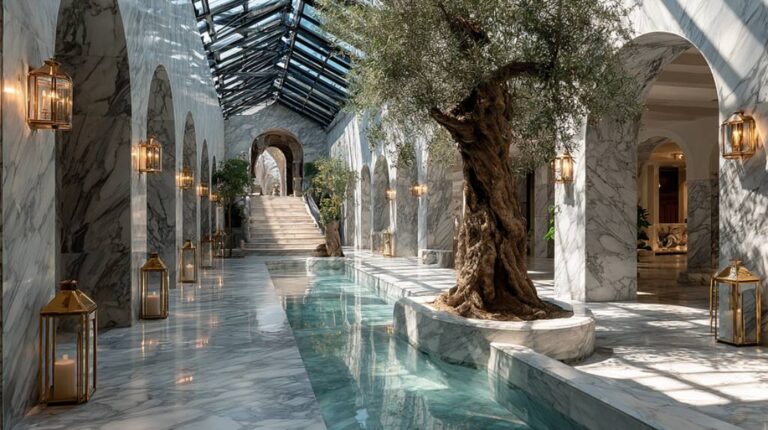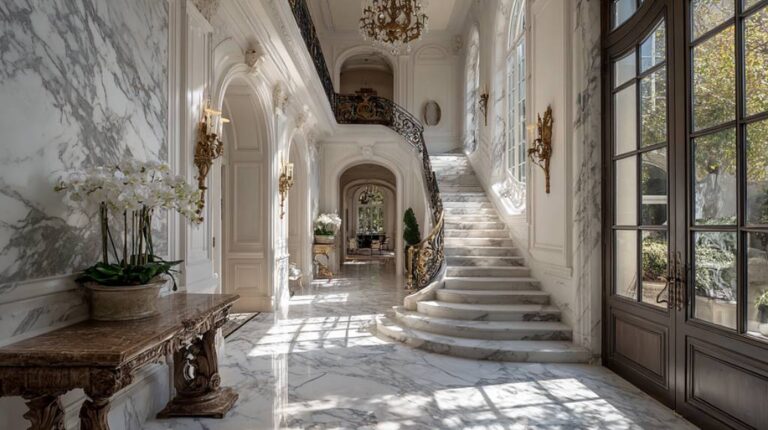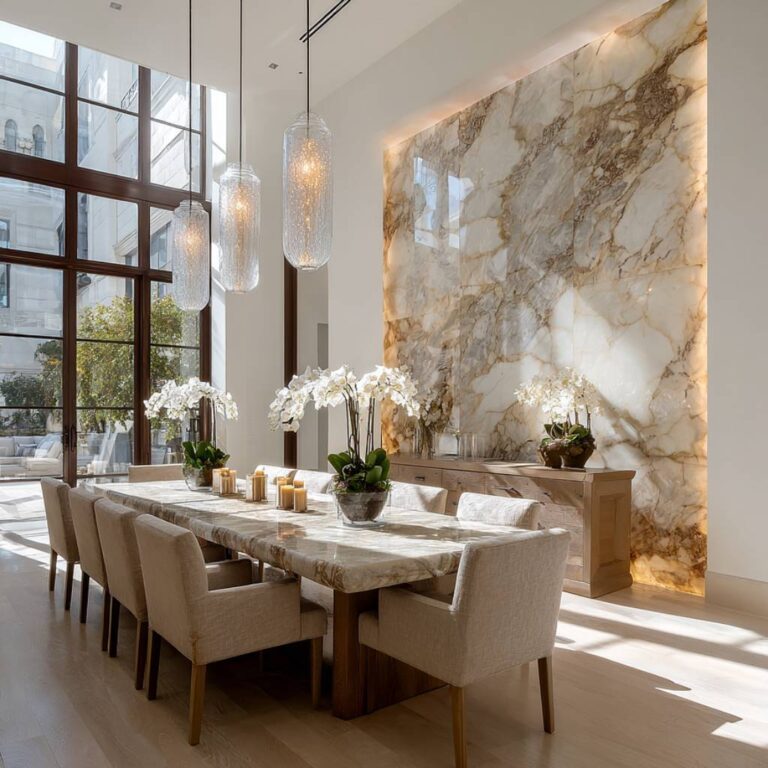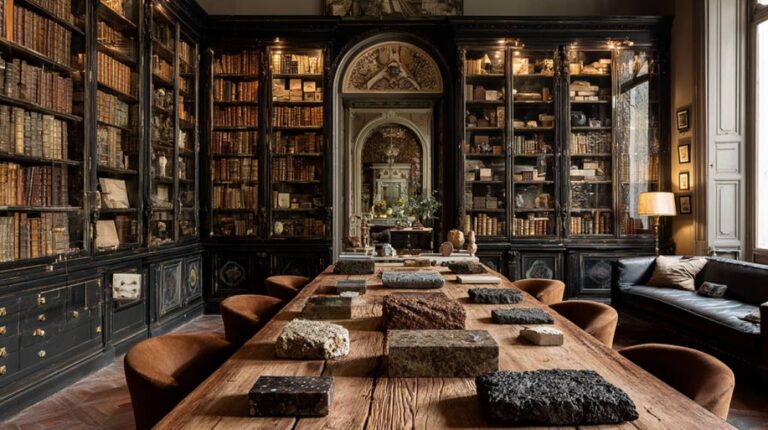
Luxury is often imagined as the moment of completion. The final slab of marble is installed, the last light fitting is adjusted, the furniture arrives, and the house appears complete. Architecture magazines photograph this moment because it represents perfection, surfaces untouched, materials pristine, proportions undisturbed. Yet the most important chapter of a luxury residence begins only after the photographers leave. Buildings are not finished when construction ends. They begin a lifelong relationship with the people who inhabit them. Whether that relationship becomes one of pleasure or quiet anxiety depends on something surprisingly ordinary: maintenance.
Modern culture has taught us to celebrate acquisition more than stewardship. We admire the purchase of exceptional objects but rarely discuss the discipline required to preserve them. The result is a curious contradiction. People invest extraordinary sums creating timeless homes yet often treat maintenance as an inconvenient afterthought. Care is delegated, postponed or reduced to a collection of cleaning instructions filed away after handover. In doing so, we misunderstand one of civilisation’s oldest truths. Luxury has never been defined by ownership alone. It has always been sustained by rituals of care.
History offers countless reminders of this principle. The cathedrals of Europe survive because every generation repaired stone before failure became visible. Japanese temples endure because maintenance is woven into cultural identity rather than treated as emergency intervention. Historic libraries, museums and palaces remain extraordinary not because they escaped the passage of time but because time itself was anticipated. Preservation became part of daily life. The building was never considered complete. It was understood to be continuously becoming.
This distinction separates disposable consumption from enduring culture. A disposable object demands little attention because it is expected to be replaced. A meaningful object invites responsibility because it is expected to outlive its owner. Luxury belongs firmly within the second category. The marble beneath our feet, the limestone walls surrounding us, the timber ceilings above us and the bronze hardware we touch each day possess the remarkable ability to age beautifully, but only if they are allowed to do so. Neglect transforms noble materials into expensive liabilities. Care transforms them into living records of habitation.
Natural stone perhaps illustrates this relationship better than any other material. Marble, limestone, travertine and onyx are often celebrated for their geological history, formed over millions of years through immense pressure and time. Yet their survival inside architecture depends on surprisingly gentle acts. Harsh chemical cleaners, acidic substances and abrasive maintenance practices can damage in a few months what nature created over millennia. This irony reveals something profound. Time itself rarely destroys great materials. Human impatience often does.
Maintenance therefore becomes more than a technical requirement. It becomes an expression of respect. Choosing pH-neutral cleaning products rather than aggressive chemicals is not simply a practical recommendation. It acknowledges that extraordinary materials deserve methods aligned with their nature. Caring for stone is, in many ways, a continuation of the craftsmanship that first brought it into architecture. The quarry, the artisan, the installer and the homeowner all become participants in the same cultural chain of stewardship.
This perspective challenges contemporary ideas of convenience. Modern products promise instant results, immediate shine and effortless perfection. Luxury, however, has rarely rewarded shortcuts. The finest leather develops character through careful conditioning. Fine wood acquires depth through patient preservation. Antique silver requires thoughtful polishing. Marble responds to measured care rather than aggressive intervention. The ritual itself becomes part of the object’s meaning. Maintenance is no longer an interruption to luxury; it is one of its defining characteristics.
There is also an emotional dimension that is rarely acknowledged. Homes cared for with intention feel different. Their materials mature with quiet confidence rather than visible decline. Small imperfections become evidence of life instead of signs of neglect. A stone floor gently polished by decades of footsteps carries emotional resonance that no newly installed surface can replicate. Such spaces remind us that luxury is not frozen in time. It evolves through human presence.
Perhaps this is why many of the world’s most admired residences possess an atmosphere that cannot be purchased. It emerges from years of disciplined attention. Owners understand that caring for a home is not a burden but a privilege. They inherit not only architecture but also responsibility. Every generation becomes temporary custodian of something intended to endure beyond individual lifetimes.
This idea extends beyond buildings into civilisation itself. Cultures survive when they maintain what they inherit rather than endlessly replacing it. Historic cities remain meaningful because restoration accompanies progress. Great institutions endure because traditions are renewed rather than abandoned. Maintenance, then, is not merely about cleaning surfaces. It is an act of cultural continuity. It declares that permanence still matters in an age increasingly defined by disposability.
The future of luxury may therefore look quieter than we imagine. It may involve fewer extravagant acquisitions and greater commitment to preserving what already exists. The most sophisticated homeowner may not be the one who renovates most frequently, but the one who understands the rituals that allow exceptional materials to age with dignity.
A luxury residence is ultimately not judged on the day it is completed. It is judged decades later, when its materials reveal whether they were merely admired or truly understood. Care is what transforms architecture into inheritance. It is what allows stone to continue telling its geological story, timber to deepen with warmth and craftsmanship to remain visible long after trends have disappeared.
Luxury is not completed by construction. It is completed, every single day, through the quiet ritual of care.