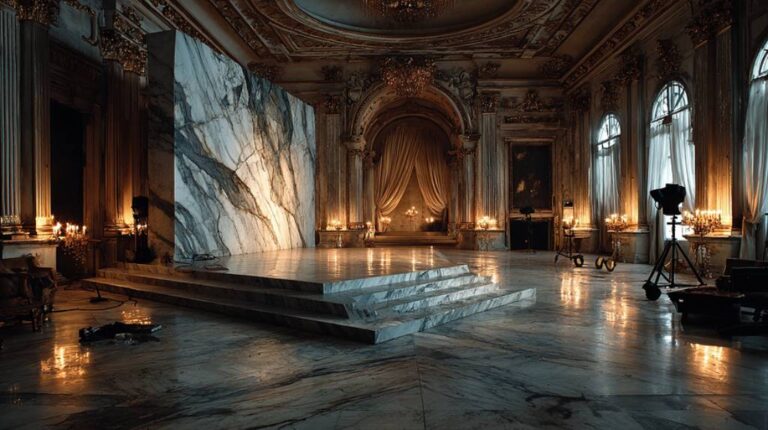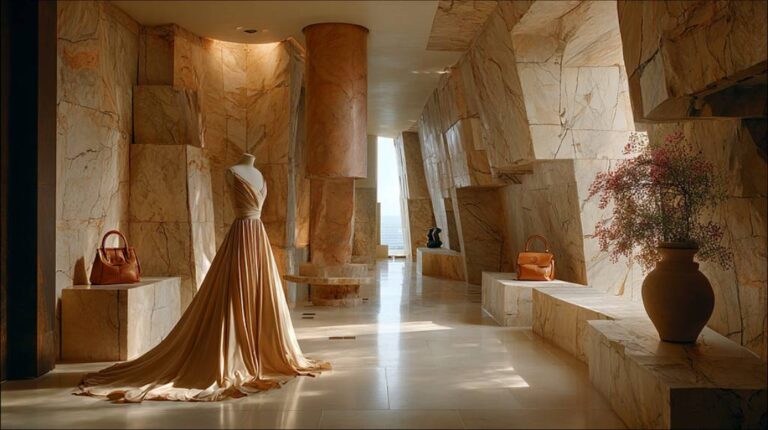
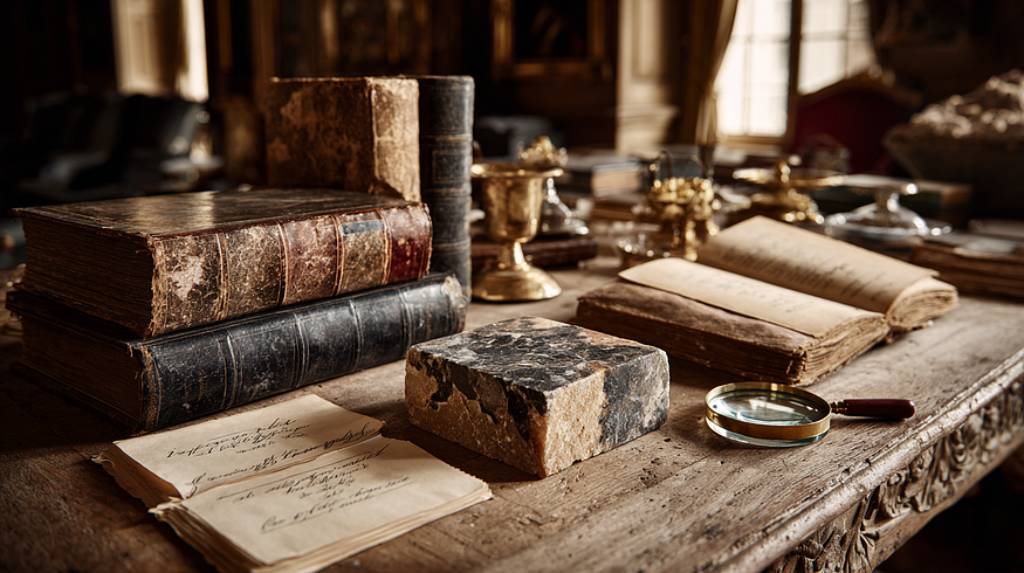
Luxury architecture has always asked us to admire materials. We celebrate the veining of marble, the warmth of limestone, the depth of travertine and the quiet permanence of natural stone because they embody something increasingly rare in the modern world: authenticity. Unlike manufactured surfaces designed to imitate nature, these materials carry geological histories measured in millions of years. They remind us that true luxury is not manufactured overnight but formed patiently through time. Yet despite investing extraordinary sums to bring these materials into our homes, many owners eventually arrive at the same disappointed conclusion: the marble stained, the limestone dulled, the travertine lost its beauty. The material is blamed. The stone is declared delicate. Natural materials are considered impractical. But perhaps the stain is telling a different story altogether.
In reality, many surface failures are not material failures. They are cultural ones. They reveal a disconnect between the way we choose to live and the nature of the materials we invite into our homes. We increasingly expect extraordinary materials to adapt to ordinary habits. When they refuse, we accuse the material instead of questioning the behaviour.
Every civilisation has developed rituals around the objects it values most. Ancient manuscripts were never handled carelessly. Musical instruments were carefully tuned and stored. Fine wine demanded specific conditions. Historic paintings were protected from light, moisture and pollution. Nobody interpreted these acts of preservation as inconvenience. They were expressions of respect. The object was valuable precisely because it deserved thoughtful care.
Architecture once occupied the same cultural space. Historic European residences, Japanese temples and centuries-old civic buildings survived not because their materials were indestructible, but because generations understood how to live with them. Stone floors were cleaned using methods suited to their composition. Timber was maintained with patience rather than aggressive chemicals. Bronze developed a natural patina instead of being stripped back to artificial perfection. Care was not viewed as maintenance. It was viewed as culture.
Modern domestic life, however, often follows a different logic. We have become accustomed to products that promise immediate results. Stronger cleaners. Faster polish. Instant shine. Convenience has become one of the defining values of contemporary living. Yet natural stone has never responded well to impatience. Marble and limestone, formed largely from calcium carbonate, react to acidic substances in ways that are entirely predictable. Vinegar, lemon-based cleaners and harsh chemical products do not simply remove dirt; they slowly alter the surface itself. What appears to be a stain or dullness is often a record of repeated behavioural choices rather than material weakness.
This distinction matters because it changes the narrative completely. Instead of asking, “Why did this marble fail?” we begin asking, “Did our daily rituals honour the material we chose?” The answer is often uncomfortable because it transfers responsibility from the stone to ourselves.
Luxury has always required discipline. A mechanical watch must be serviced. Fine leather requires conditioning. Antique furniture benefits from controlled environments. Collectors of art understand that preservation is inseparable from ownership. Yet when it comes to architecture, many homeowners unconsciously expect permanence without participation. We assume exceptional materials should tolerate any behaviour simply because they are expensive. Ironically, the opposite is true. The more extraordinary the material, the more it asks to be understood.
This is not a weakness. It is one of the reasons natural materials continue to hold cultural significance. Their longevity depends upon a relationship with their owner. Stone does not merely occupy space; it invites stewardship. Every decision from the cleaning products chosen to the routines established within the home contributes to the building’s future character. Maintenance therefore, becomes less about preventing damage and more about continuing the dialogue between architecture and its inhabitants.
Perhaps this explains why some of the world’s most admired homes possess an atmosphere that newer houses struggle to replicate. Walk through an impeccably maintained apartment in Paris, a historic villa in Tuscany or a lakeside residence in Switzerland, and the materials appear calm rather than perfect. They reveal careful use instead of visible neglect. Their beauty comes not from avoiding time but from allowing time to unfold respectfully. These homes teach us that ageing is not the opposite of luxury. Poor stewardship is.
The conversation around sustainability also reinforces this perspective. We often discuss environmental responsibility in terms of recycled content, responsible sourcing and low-carbon construction. Yet one of the most sustainable acts available to any homeowner is remarkably simple: preserving what already exists. Every surface that lasts another decade avoids unnecessary replacement. Every stone floor protected through informed care reduces additional extraction, manufacturing and transport. Maintenance quietly becomes one of sustainability’s most overlooked practices.
This is why the language surrounding maintenance deserves to change. It should not resemble warning labels or lists of restrictions. It should describe rituals of respect. Choosing pH-neutral cleaners is not about limiting freedom; it is about understanding the chemistry of the material. Wiping spills promptly is not an inconvenience; it is an acknowledgment that natural stone behaves differently from synthetic substitutes. Small daily habits become acts of cultural literacy.
Ultimately, homes reflect the values of the people who inhabit them. A stained marble countertop is rarely just evidence of an accident. It may reveal a deeper cultural assumption, that everything can be treated the same way, regardless of its history, composition or significance. Luxury challenges that assumption. It asks us to slow down, to observe, to understand and to care.
Perhaps that is why the finest homes never feel fragile, even when they contain the world’s most precious materials. They are inhabited by people who recognise that ownership is only the beginning of a relationship. They understand that every material carries its own language, and every act of care is a way of speaking it.
The next time someone says, “The stone stained,” perhaps the more important question is not what happened to the material. It is what happened to the culture of care that should have protected it.