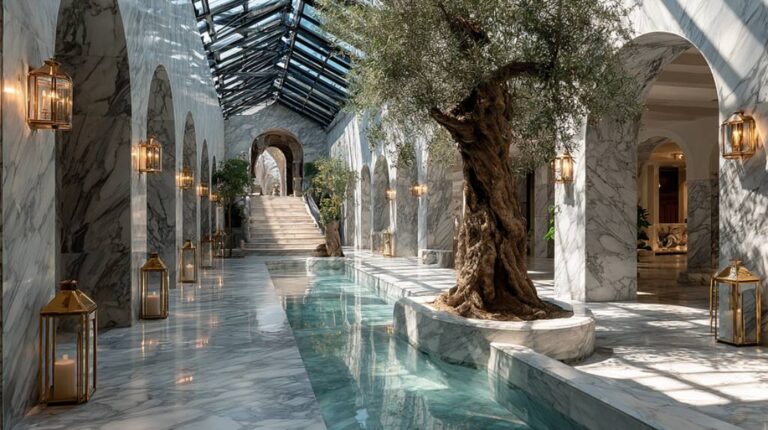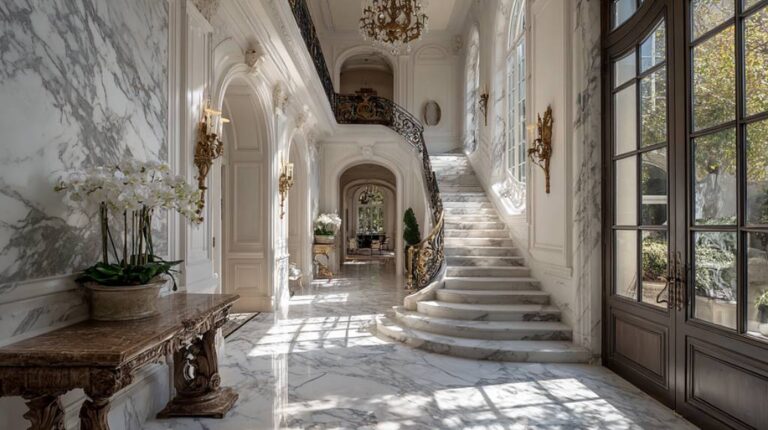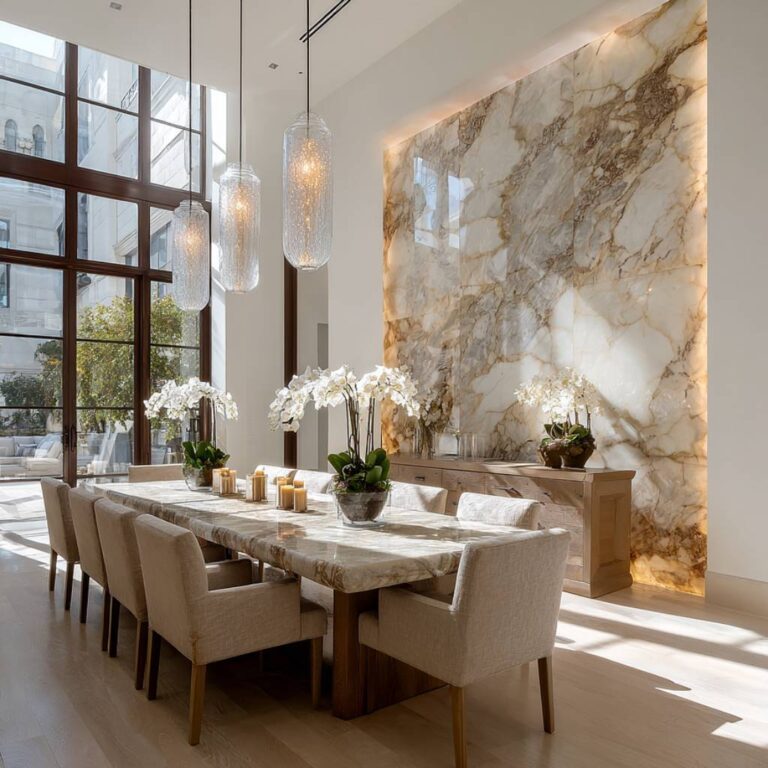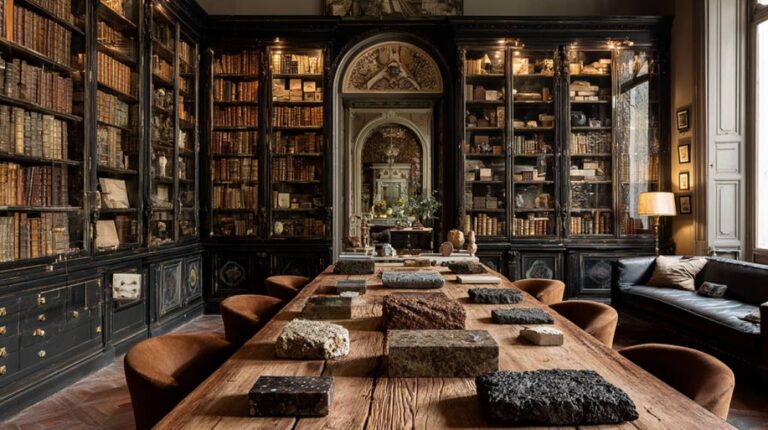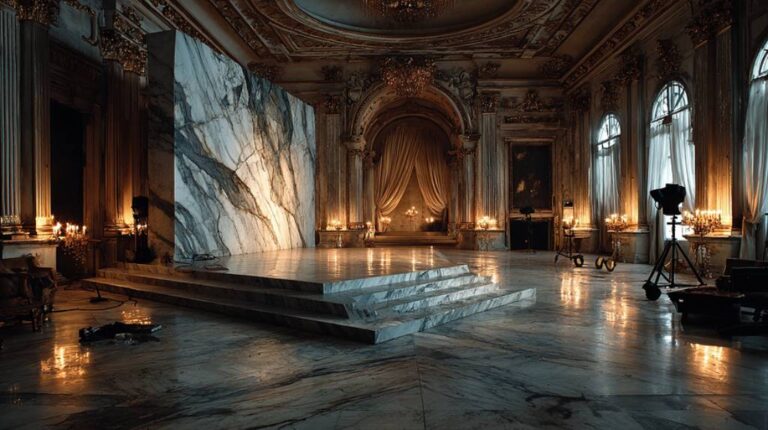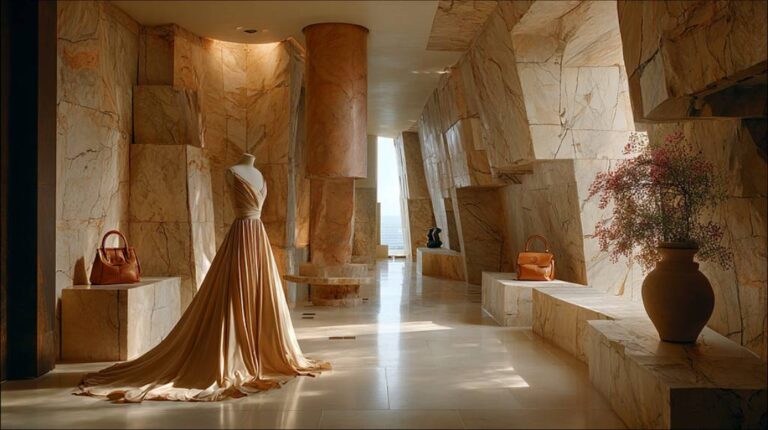
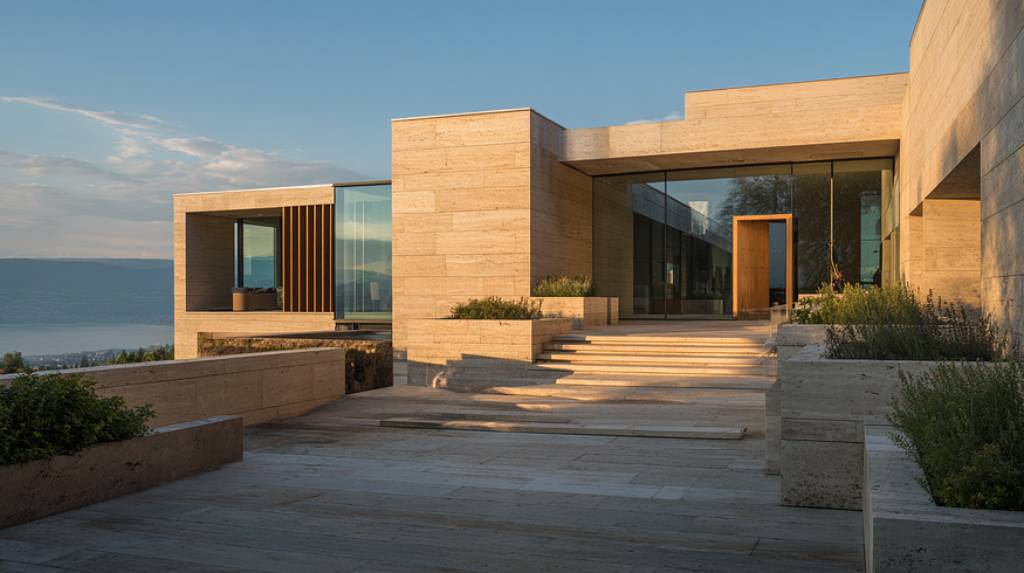
Luxury has always been built on stories. For centuries, those stories revolved around rarity, craftsmanship, lineage and permanence. A slab of marble carried the memory of a mountain. Hand-forged bronze reflected generations of metallurgical knowledge. A timber beam spoke of forests, climate and time. Objects mattered because they embodied a relationship between human ambition and the natural world. Today, however, another story increasingly accompanies every material that enters a luxury residence: sustainability. It has become the language through which architects, designers, developers and homeowners express not only environmental awareness but also moral character. Yet like every powerful story, sustainability is vulnerable to one profound weakness. It must eventually encounter reality.
The modern luxury home is filled with promises. Carbon-neutral stone. Ethical sourcing. Recycled content. Responsible extraction. Circular manufacturing. Net-zero production. These phrases appear across brochures, websites and presentations with remarkable confidence. They have become part of the visual vocabulary of contemporary architecture, much like polished renderings or dramatic mood boards. Increasingly, clients do not simply ask whether a material is beautiful. They ask whether it is responsible. Sustainability has become a form of cultural capital, a way of signalling values alongside taste. But there is an uncomfortable moment that every project eventually reaches and that is the procurement table. It is here, far away from the elegance of design presentations, that narratives either survive or quietly collapse.
Procurement has never been a glamorous part of architecture. It concerns quotations, specifications, lead times, substitutions, certifications, shipping documents and technical compliance. It belongs to spreadsheets rather than magazines. Yet procurement has become one of the most revealing cultural spaces in contemporary luxury construction because it exposes the distance between aspiration and evidence. A beautiful sustainability story may persuade during concept presentations, but procurement demands proof. Every claim must be matched by documentation, every environmental promise supported by verifiable records, every declaration connected to the actual material arriving on site. The language of virtue is suddenly translated into paperwork.
This transition from narrative to evidence reveals something larger than a construction process. It exposes one of the defining characteristics of our age. Modern society increasingly rewards moral visibility. We wish to be seen making responsible choices. Buildings, perhaps more than any other cultural product, have become public declarations of those choices. The luxury residence is no longer simply a private home. It has become an ethical statement. Owners wish to know not only that their stone is rare, but that it was quarried responsibly. They ask where timber originated, how much energy was consumed during production, whether workers were treated fairly and what environmental legacy accompanies every surface. These are profoundly important questions. But they only matter if the answers can withstand scrutiny.
The danger emerges when sustainability itself becomes aesthetic. Green walls, reclaimed textures, earthy palettes and natural finishes create an immediate visual impression of environmental consciousness. Yet appearances have always been persuasive. Architecture has repeatedly demonstrated humanity’s ability to mistake symbolism for substance. Throughout history, monuments have projected stability while concealing political fragility. Palaces have celebrated wealth built upon exploitation. Today, sustainable aesthetics risk creating another illusion: the appearance of responsibility without the discipline of verification.
Luxury has always possessed a complicated relationship with authenticity. The rarest objects command value because their origins can be traced, their craftsmanship recognised and their permanence experienced. A painting without provenance becomes suspect. A diamond without certification loses trust. Fine wine without documented origin struggles to justify its reputation. Natural stone, timber and architectural materials are increasingly entering the same cultural territory. Their worth depends not only upon physical beauty but also upon the credibility of their journey. Documentation is no longer bureaucratic inconvenience. It has become part of the object’s identity.
This marks an important shift in how civilisation defines quality. Historically, quality was judged primarily by what could be seen or touched. Today, invisible information increasingly shapes perception. Environmental Product Declarations, chain-of-custody records, responsible sourcing certifications and production audits have become cultural documents rather than administrative ones. They extend architecture beyond physical construction into systems of accountability. The building no longer tells only the story of design. It tells the story of decisions made long before the first stone reaches the site.
This evolution should not be understood as the triumph of regulation over creativity. Rather, it represents the maturation of luxury itself. The greatest forms of luxury have never relied solely upon appearance. They have relied upon confidence. Confidence that a chair was crafted by a master. Confidence that a watch contains generations of horological knowledge. Confidence that a marble floor will outlive its owner. Sustainability extends this same principle into environmental responsibility. It asks architecture to possess integrity beyond aesthetics. The invisible becomes as valuable as the visible.
Yet integrity cannot exist selectively. One missing document, one unsupported environmental claim or one substituted material without equivalent evidence can unravel an entire sustainability narrative. This is not because paperwork possesses intrinsic beauty, but because trust depends upon continuity. Civilisation itself functions through documented confidence. Property ownership, financial systems, legal agreements and cultural heritage all rely upon records that survive beyond memory. Sustainable architecture now joins that tradition. Evidence is becoming one of architecture’s newest materials.
Perhaps this is why procurement deserves greater cultural attention. It reminds us that architecture is not merely an artistic discipline but also an ethical one. Buildings are assembled through thousands of decisions, each carrying consequences that extend beyond aesthetics. Procurement is where values cease to be aspirations and become commitments. It is where responsibility acquires measurable form.
The future of luxury may therefore belong not to those who tell the most compelling sustainability stories, but to those whose stories require the fewest explanations because every claim is already supported by evidence. In that future, documentation will not diminish beauty. It will deepen it. Every verified record will become another layer of meaning embedded within the architecture itself.
For centuries, great buildings have endured because their materials survived time. Tomorrow’s great buildings may endure for another reason as well. They will have preserved something equally fragile: trust. And perhaps that is the most valuable architectural material our civilisation can still produce.