Some luxury objects stop behaving like objects.
At a certain point, they begin carrying something larger than function, craftsmanship, or even beauty. They become cultural markers. Symbols that quietly communicate intellect, taste, memory, power, or permanence without needing explanation.
A chessboard can become one of those objects surprisingly easily.
Not because chess itself is luxurious, but because certain objects accumulate meaning through the worlds surrounding them. Material, authorship, context, recipient, presentation, and narrative all slowly layer onto the object until it stops feeling decorative and starts feeling institutional.
That transition is fascinating because it reveals something important about luxury today: people are no longer searching only for beautiful things. They are searching for objects that feel culturally anchored.
There is a major difference between décor and artifact. Décor fills space visually. Artifacts hold psychological gravity.
You notice this distinction immediately in certain interiors. Some rooms contain expensive objects that disappear emotionally after a few moments. Others contain one singular piece that quietly organizes the atmosphere around itself. The room begins orbiting the object rather than the object decorating the room.
That kind of presence rarely comes from price alone. It usually comes from embedded meaning.
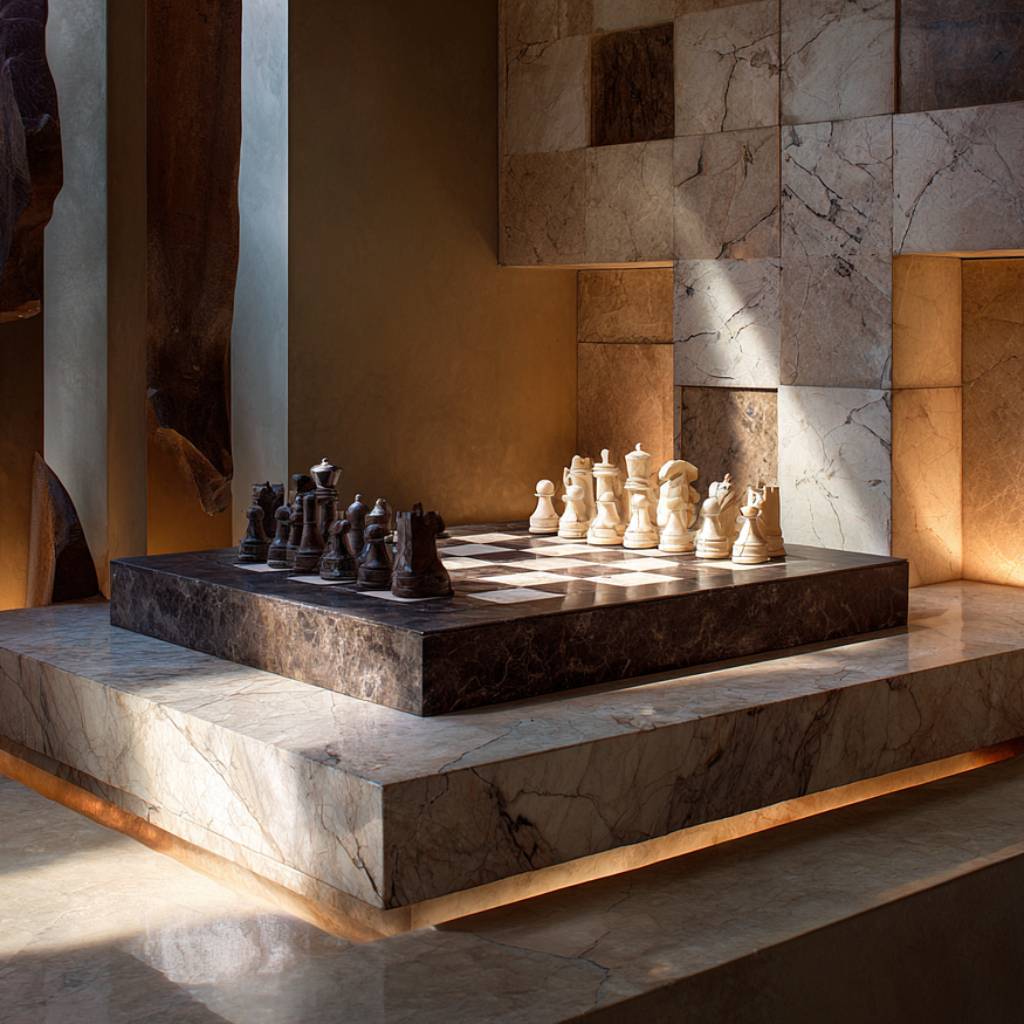
A bespoke chessboard designed through careful material thinking is a perfect example of this shift. Particularly when the object is treated less like an accessory and more like a cultural composition. Stone selection, proportion, craftsmanship, symbolism, historical reference, presentation, and ownership all begin contributing to its identity simultaneously.
The object starts carrying biography. And biography changes how people perceive value.
For centuries, luxury objects gained importance because they existed within systems of patronage, diplomacy, and cultural memory. Objects were commissioned for rulers, collectors, institutions, and thinkers. They marked alliances, intellectual identity, social positioning, or artistic movements. Even practical objects carried ceremonial weight because they existed inside narratives larger than themselves.
Modern luxury flattened much of that complexity.
As industries scaled globally, objects became increasingly optimized for retail visibility. The emphasis shifted toward trend circulation, recognizability, and immediate desirability. Many luxury products became visually expensive but culturally interchangeable. Beautifully produced, yet strangely detached from context.
This is why certain contemporary objects feel refreshing again when they resist that interchangeability.
A carefully made chessboard in rare stone does not need to announce itself loudly to feel important. In fact, its restraint often increases its authority. The object gains power through precision, permanence, and conceptual clarity rather than spectacle.
Especially when material selection is intentional.
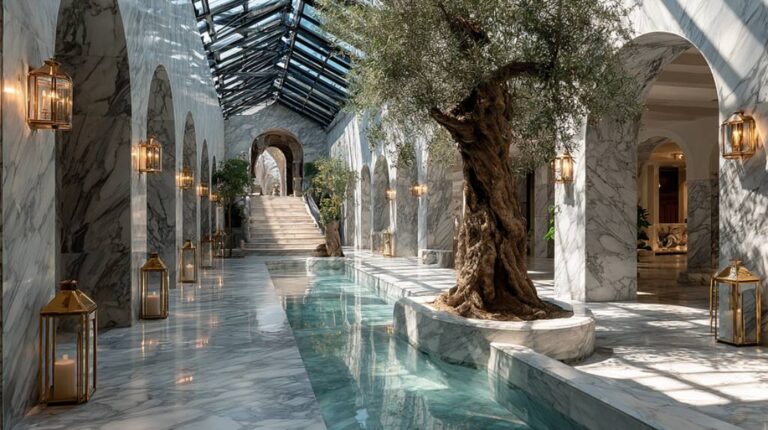
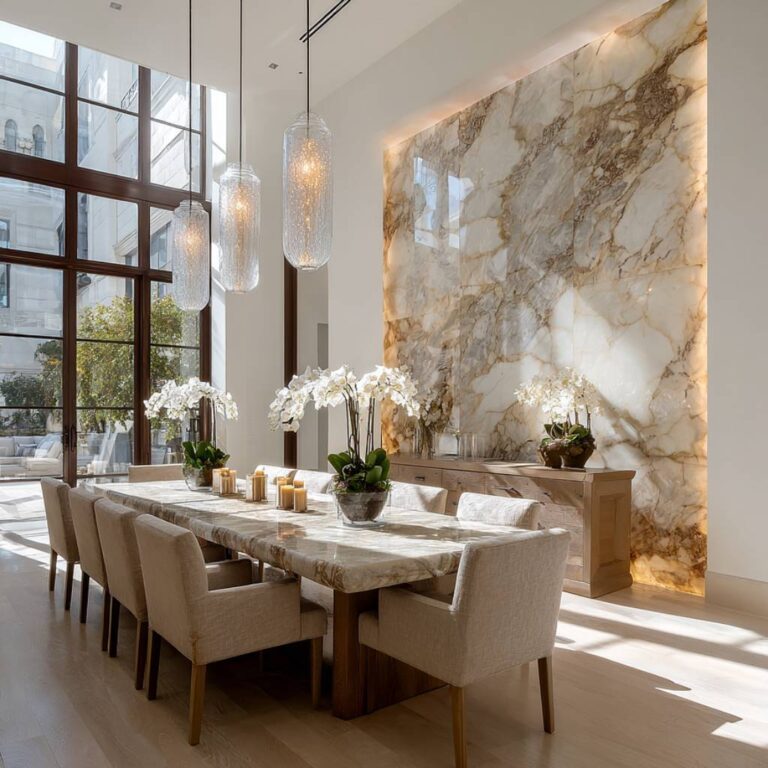
Stone changes the emotional reading of an object immediately because stone carries geological time inside it. Marble, travertine, onyx, or quartzite do not behave like manufactured surfaces. They contain irregularity, mineral movement, density, and natural unpredictability. Even before design enters the conversation, the material already possesses emotional depth.
When that material is shaped into an object associated with intellect and strategy, something interesting happens psychologically.
The object stops feeling decorative. It begins feeling ceremonial.
Chess itself already carries centuries of cultural symbolism. Strategy, patience, discipline, political intelligence, foresight, control. Across literature, cinema, architecture, and art history, chess has consistently been associated with intellectual seriousness. When luxury materials intersect with that symbolism, the object acquires institutional character almost automatically.
And institutional objects behave differently from trend-based luxury products. Trend objects rely on novelty. Institutional objects rely on permanence.
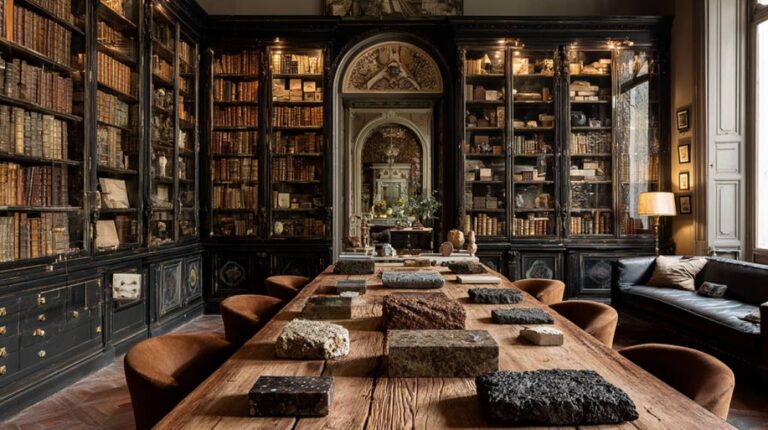
You see this distinction clearly in certain pieces that survive aesthetic cycles effortlessly. A well-made writing desk. A library table. A bronze sculpture. A stone chessboard. These objects rarely chase contemporary relevance because their authority comes from cultural continuity instead of trend participation.
That continuity matters more today than people realize. Modern life is saturated with temporary visual culture. Images appear and disappear instantly. Trends cycle at exhausting speed. Consumption has become increasingly frictionless. In that environment, permanence begins to feel emotionally luxurious.
Not permanence as rigidity. But permanence as gravity.
Objects that feel capable of surviving decades psychologically calm people in ways fast luxury cannot. They create a sense of stability. They suggest that care, patience, and material intelligence still matter somewhere inside contemporary culture.
This may explain why collectible design and material-led objects have gained so much attention recently. People are becoming less interested in objects that simply signal expense and more interested in objects that carry narrative density.
Narrative density is difficult to manufacture artificially. It comes from layered authorship.
Who designed the object matters. How it was made matters. Which material was selected matters. Who receives the object matters. Where it is placed matters. Even the cultural references surrounding it begin shaping perception. Over time, these layers accumulate into symbolic power.
And symbolic power is ultimately what separates artifacts from décor. A decorative object remains replaceable. An artifact becomes difficult to imagine substituted.
This is also why presentation matters enormously in luxury culture. The way an object enters a space often determines whether people perceive it as surface-level styling or cultural statement. A chessboard placed casually among decorative accessories behaves one way. A chessboard positioned deliberately inside a restrained architectural environment behaves entirely differently.
Architecture can institutionalize objects. Silence around an object can increase its authority.
Restraint can amplify meaning.
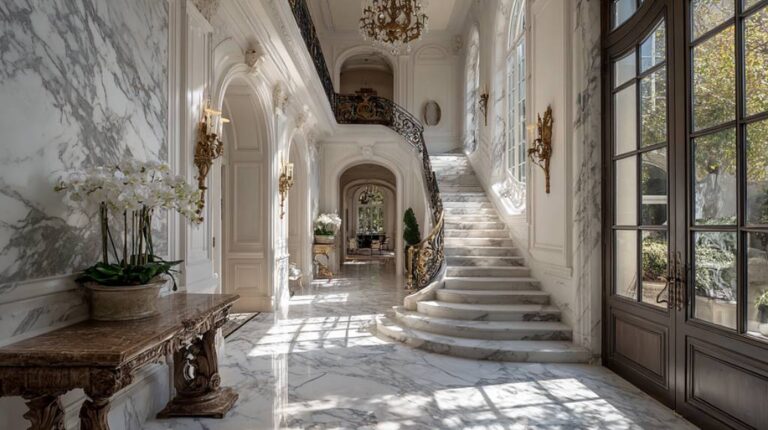
The most powerful luxury environments understand this intuitively. They avoid overcrowding because overcrowding weakens symbolic hierarchy. One significant object placed carefully often creates more emotional impact than twenty expensive objects competing for visibility simultaneously.
Luxury is slowly moving back toward this understanding now. Away from accumulation.
Toward significance.
That shift feels important because contemporary consumers are increasingly overwhelmed by visual abundance. Everything is available. Everything is visible. Every aesthetic can be replicated almost instantly. In that environment, rarity alone loses some of its emotional power.
Meaning becomes rarer than access.
And objects with meaning behave differently over time. People form attachment to them. They remember where they came from. They associate them with conversations, people, moments, intellectual identity, or emotional memory.
The object becomes part of personal mythology. That is when luxury becomes truly lasting.
Not when something is merely expensive, but when it feels culturally alive enough to continue generating meaning long after acquisition.
A stone chessboard can achieve that because it exists at the intersection of material permanence, intellectual symbolism, and authored design. It is not simply décor pretending to be thoughtful. At its best, it becomes an artifact carrying emotional and cultural weight quietly over time.
And perhaps that is where luxury is heading now. Toward fewer objects. But more meaningful ones.