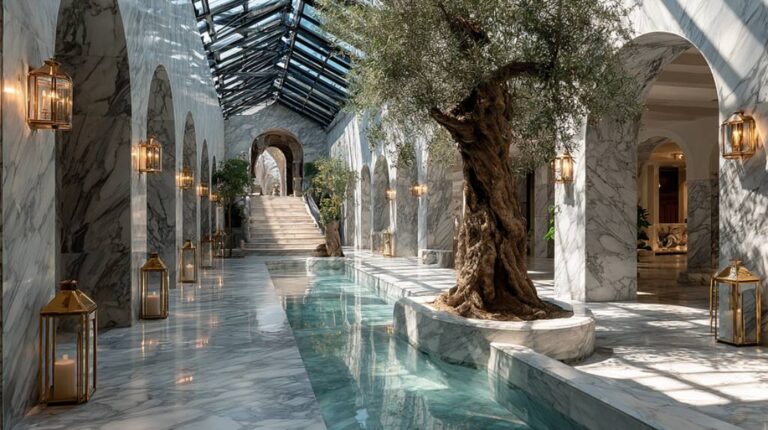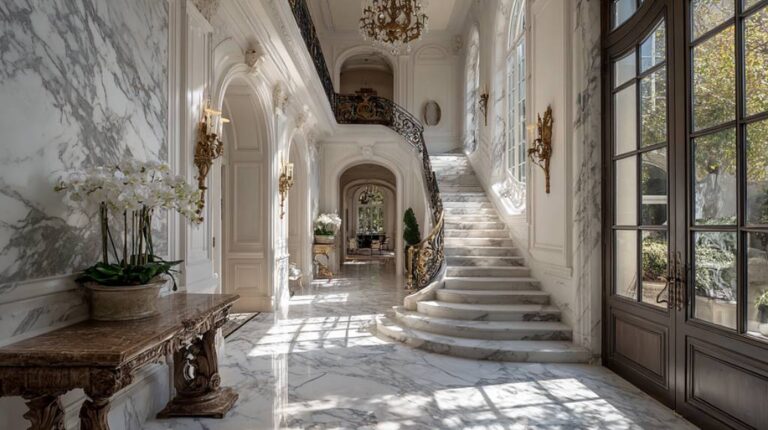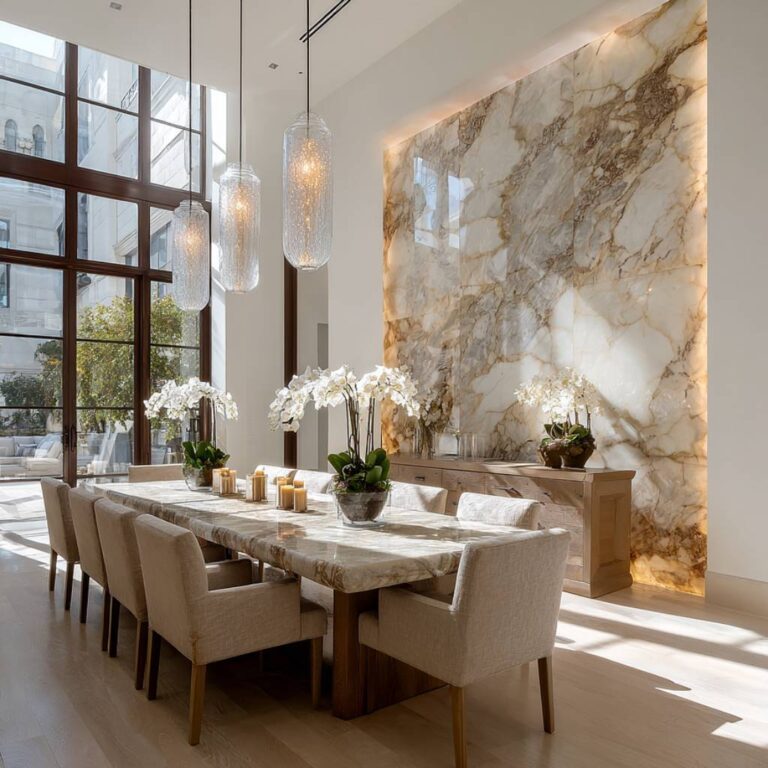
Luxury is rarely a moment. It is a sequence. It is shaped not in a rush of decisions, but in carefully constructed rituals where time, attention, and guidance come together to create certainty.
In high-end residential and hospitality projects, material selection is often treated as a logistical step, samples are sent, finishes are approved, and timelines move forward. Yet the most successful projects reveal a different pattern: luxury emerges from structured appointments, where the act of choosing becomes a guided experience rather than a transaction. The difference is subtle but decisive. When selection is reduced to speed, outcomes feel fragmented; when it is elevated to ritual, outcomes feel inevitable.
Consider how leading luxury environments operate. A client is not handed options: they are welcomed into a curated journey. The appointment begins before the meeting itself, through preparation that aligns materials with context: light conditions, adjacent surfaces, intended use, and long-term behaviour. This pre-appointment curation is the first artifact of the ritual, a quiet but critical script where the design team narrows the field, not to limit choice, but to protect clarity. By the time the client arrives, the conversation is already structured.
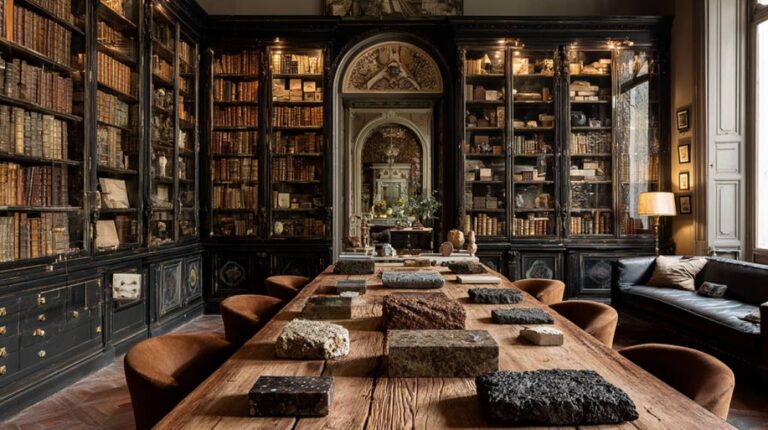
Materials are not presented as isolated samples; they are arranged as narratives, this stone against that wood, this finish under that light allowing decisions to be felt rather than debated.
The second layer of the ritual lies in the guided experience itself. In well-executed appointments, the designer assumes the role of a curator rather than a salesperson. The dialogue is paced. Clients are invited to touch, observe, compare, and pause. There is an intentional slowing down, because speed introduces noise, while rhythm introduces confidence. This is where many projects either elevate or collapse.
Without guidance, clients often oscillate between options, revisiting decisions and creating downstream ambiguity. With guidance, decisions settle early, creating alignment across stakeholders. The artifact here is the “guided narrative”, a structured conversation that moves from context to contrast to confirmation, ensuring that each choice builds upon the last.
What distinguishes exceptional teams is their ability to make clients feel held during this process. Luxury is not only about the material outcome; it is about the emotional experience of arriving there. Clients remember whether they felt rushed or reassured, whether their uncertainty was amplified or resolved.
The appointment ritual, when done well, reduces cognitive load. Instead of presenting twenty possibilities, it presents three considered directions. Instead of asking “what do you like,” it asks “what aligns with how you want to live.” This shift transforms the dynamic from selection to authorship, where the client feels ownership without being overwhelmed.
The impact of this approach extends far beyond the meeting room. Decisions made within a structured ritual tend to hold under pressure. They translate more clearly into drawings, specifications, and execution.
Contractors receive fewer revisions, procurement becomes more predictable, and installation aligns more closely with intent. In contrast, decisions made in fragmented or rushed settings often resurface later as doubts triggering changes, delays, or compromises. The appointment ritual, therefore, is not an indulgence; it is a form of risk management disguised as experience design.
There is also a deeper cultural signal embedded in this process. In an era where speed is often equated with efficiency, choosing to slow down communicates value. It signals that the project is not transactional, that the materials are not interchangeable, and that the client’s experience matters as much as the outcome. This is why leading design studios and luxury brands increasingly design their selection processes as appointments rather than open browsing environments. The structure itself becomes part of the brand, quietly reinforcing trust, expertise, and care.
To build this into practice, teams must move beyond ad hoc meetings and develop repeatable frameworks. An “appointment ritual script” becomes essential: a sequence that defines how clients are prepared, how materials are curated, how conversations are guided, and how decisions are documented. This is not about rigidity; it is about consistency.
When every client experiences a similar level of thoughtfulness, the quality of outcomes stabilizes. Supporting artifacts such as curated sample sets, comparison boards, and post-appointment summaries ensure that the clarity achieved in the room carries forward into execution.
Ultimately, luxury is not created at the point of installation, it is created at the point of decision. And decisions are only as strong as the environment in which they are made. The most refined projects recognize this and invest accordingly, transforming selection from a task into a ritual. Because in the end, what defines luxury is not just what is chosen, but how it was chosen and whether that process made the result feel inevitable.