Luxury has always been about visibility. For much of modern history, it relied on clarity of materials, scale, and ornament that could be immediately recognized as expensive. Wealth needed to be seen to be effective. It operated through presence: the larger the surface, the rarer the material, the more elaborate the detailing, the clearer the signal. This logic, articulated by Thorstein Veblen, framed consumption as a form of display, an outward expression of economic power designed to be legible to others.
That model still exists, but it is no longer dominant.
In contemporary interiors, the expression of status has shifted from overt display to coded communication. Wealth is still present, but it is no longer announced in the same way. Instead of relying on immediate recognition, it is embedded in decisions that require interpretation like knowledge of materials, awareness of provenance, and a controlled use of restraint. What was once explicit has become selective, and what was once obvious now operates through nuance.
This shift is not simply aesthetic. It is structural.
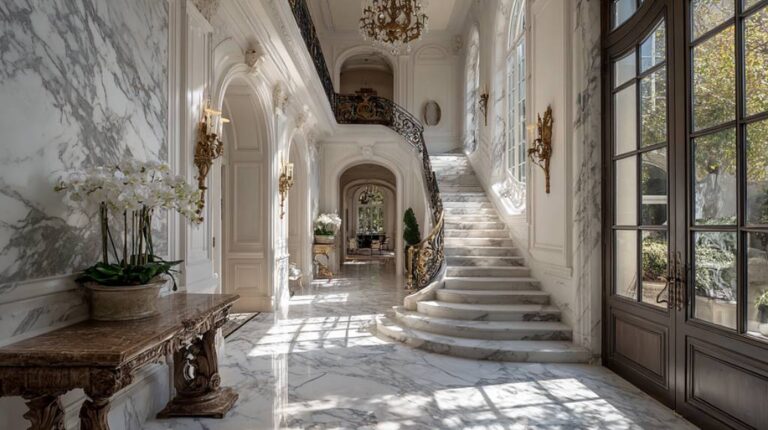
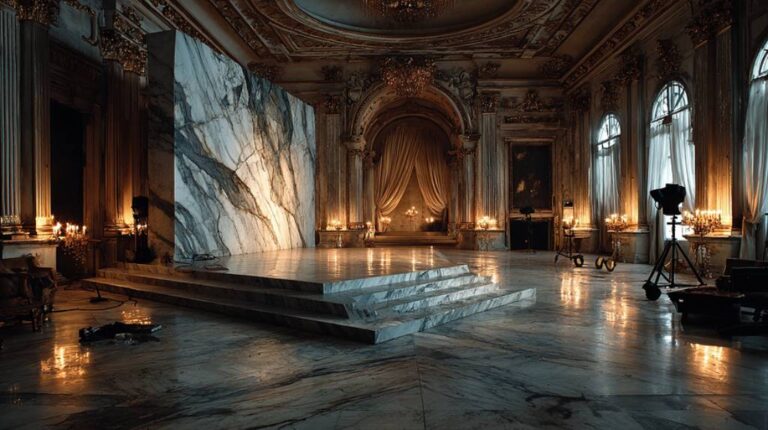
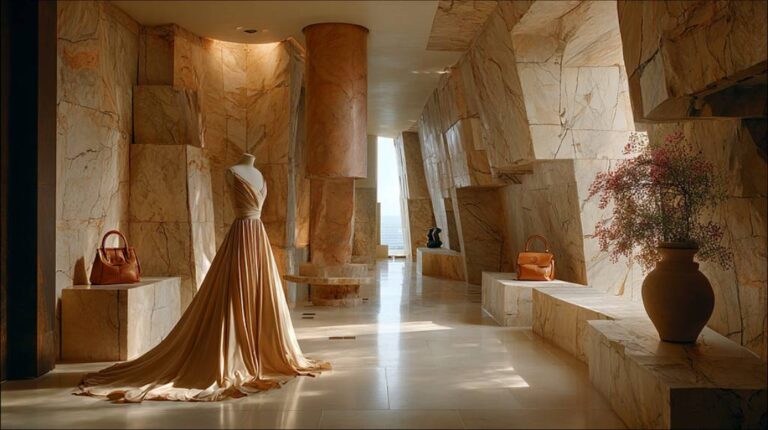
The traditional model of conspicuous consumption depended on scarcity being visible. Rare materials were used extensively so their value could be easily understood. Marble was applied across entire rooms, finishes were polished to perfection, and detailing was designed to attract attention. The objective was confirmation. A viewer, regardless of background, could recognize that what they were seeing was expensive.
Today, that same strategy often produces the opposite effect.
As access to luxury materials has expanded and global design references have become widely available, the visual language of high-end interiors has become increasingly familiar. Materials that once signalled exclusivity are now widely replicated or imitated. Entire categories of “luxury finishes” have been standardized and distributed across markets. In this context, repetition weakens distinction. What is everywhere can no longer function as a clear marker of status.
Excess, once a reliable signal, begins to flatten meaning.
In response, a different form of signalling has emerged, one that relies less on quantity and more on specificity. This is where coded consumption begins. Instead of broadcasting value, interiors now embed it within decisions that are less immediately visible but more precise. The emphasis shifts from what is shown to how it is understood.
Knowledge becomes central to this system.
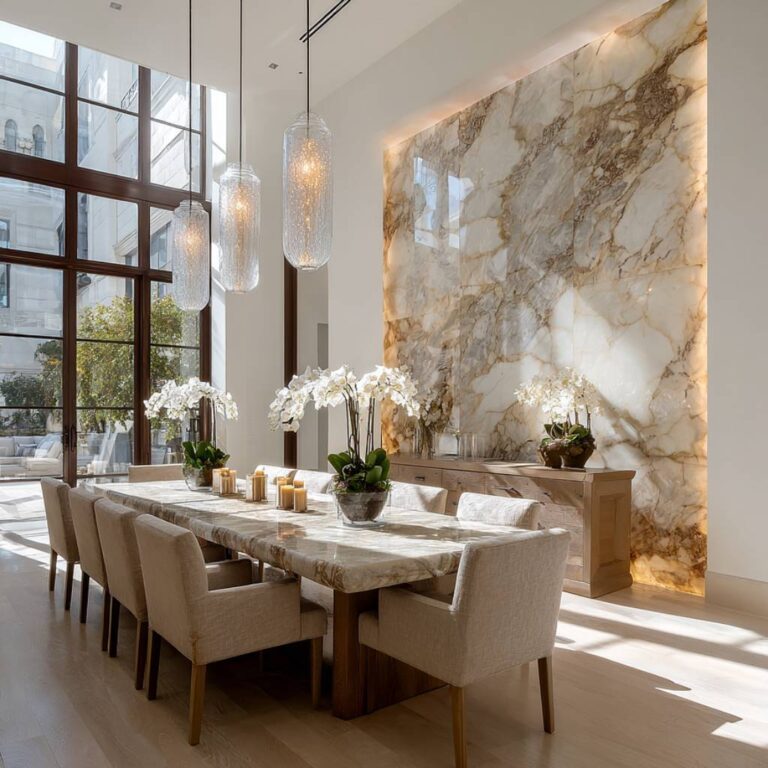
To recognize value in contemporary luxury interiors, one must understand the logic behind material selection, spatial composition, and execution. A single stone surface, for example, may carry significance not because of its cost alone, but because of its origin, its cut, and its placement within the space. These are not attributes that reveal themselves instantly. They require familiarity an awareness of what alternatives exist and why a particular choice has been made.
This introduces a form of exclusivity that operates differently from traditional models. It is no longer enough to possess. One must also understand.
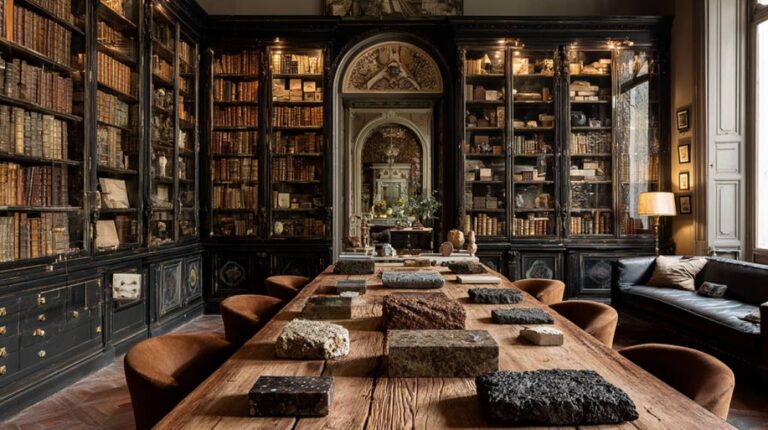
Provenance intensifies this dynamic. Materials are no longer valued solely for their appearance, but for the narrative that accompanies them. Where a stone is sourced, how it is processed, and who has worked on it all contribute to its meaning. This information is not always displayed openly. It exists as a layer beneath the surface, accessible primarily to those who know to look for it.
In this sense, luxury becomes less about the object itself and more about the context that surrounds it.
Restraint is another defining characteristic of this shift. In coded systems of consumption, absence carries meaning. The decision not to use a material, or to use it sparingly, becomes as important as its inclusion. This is a departure from earlier models where value was reinforced through repetition. Now, repetition risks dilution. The more a material is seen, the less effectively it signals distinction.
Restraint, therefore, is not minimalism in the conventional sense. It is a form of control.
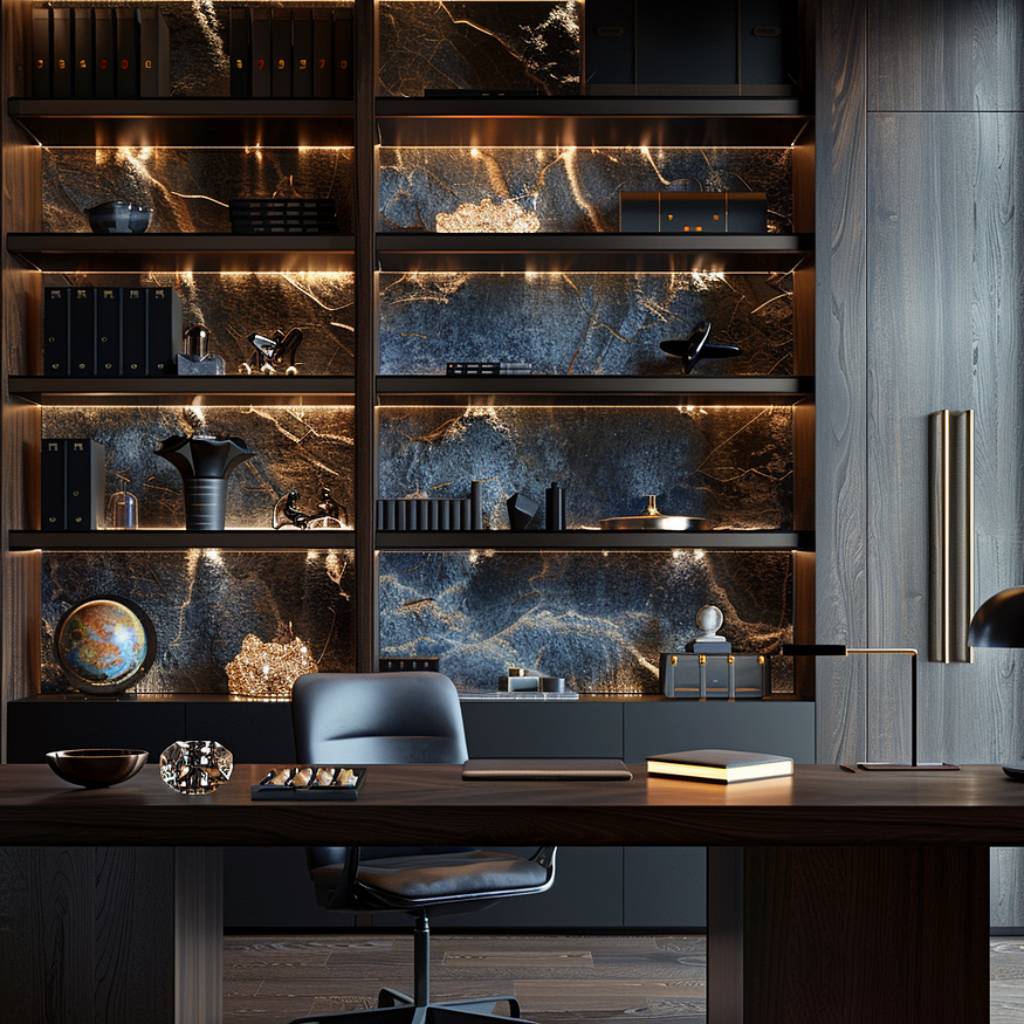
It reflects confidence in selection and an understanding that value does not need to be proven through excess. A quiet surface, if precisely executed, can carry more authority than a highly expressive one. This is why many contemporary luxury interiors appear subdued. The richness is still present, but it is distributed more carefully, often concentrated in moments rather than spread across the entire space.
This is often described as “quiet luxury,” but the term can be misleading.
The shift is not toward silence, but toward complexity. The signals have not disappeared; they have become more difficult to read. They require attention, and in many cases, prior knowledge. This changes the relationship between the space and its audience. Interiors are no longer designed solely to impress at first glance. They are designed to sustain interpretation over time.
For designers, this introduces a different kind of responsibility.
The role moves beyond selection into curation. Every decision must operate within a system of meaning. Materials are not chosen simply because they are valuable, but because they contribute to a broader narrative. Placement, proportion, and omission become critical tools in shaping how that narrative is perceived.
At the same time, this evolution reflects a broader cultural shift. In an environment where access to luxury has increased, distinction can no longer rely on visibility alone. It must be constructed through layers, through knowledge, control, and the ability to operate within systems that are not immediately transparent.
What remains constant is the function of luxury as a marker of position. What has changed is the language through which that position is communicated.
Conspicuous consumption has not disappeared. It has adapted. It no longer depends on being instantly recognized. It depends on being correctly interpreted.
And in contemporary interiors, the most powerful signals are no longer the ones that demand attention, but the ones that reward it.