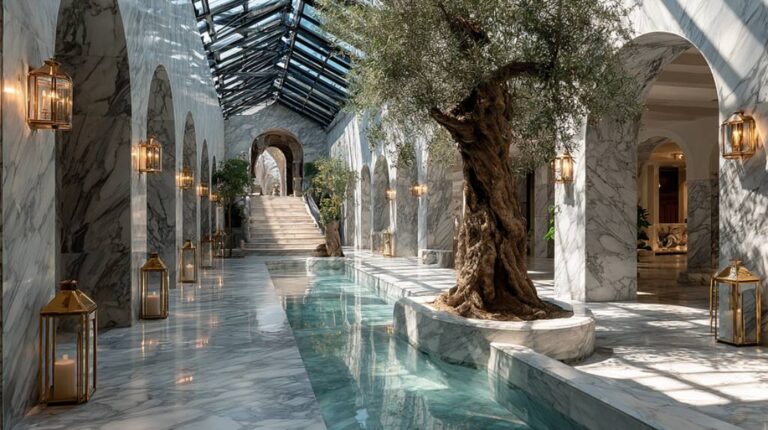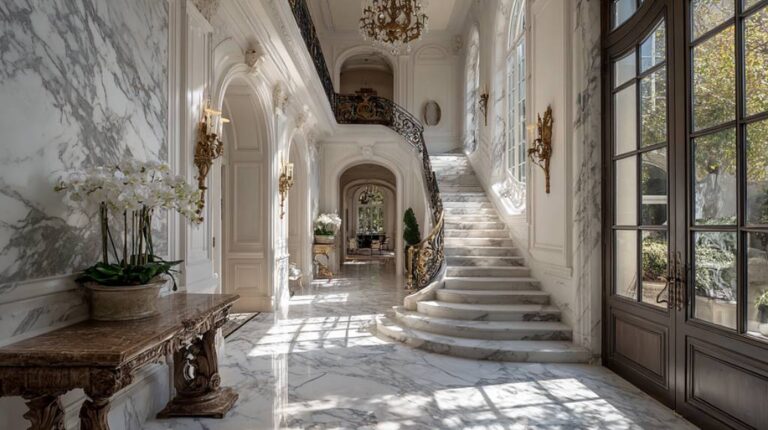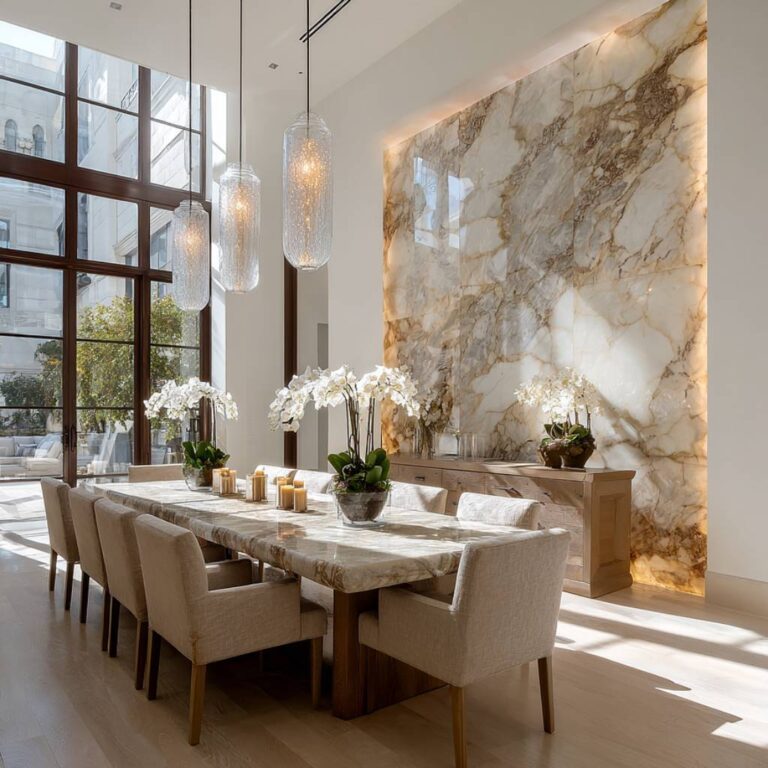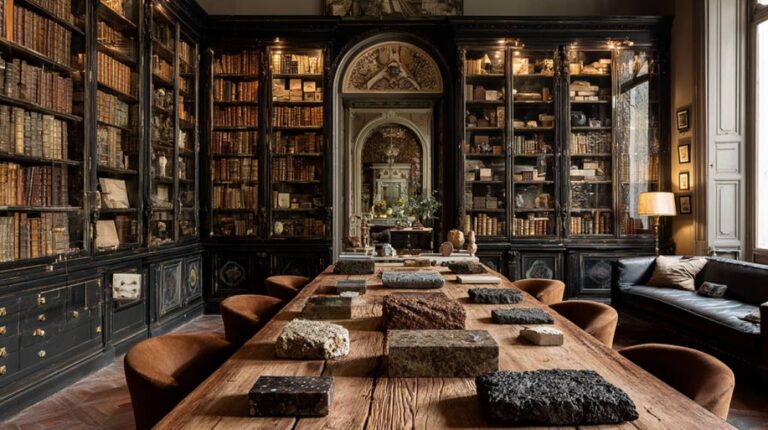
Luxury interiors are often read through material, but rarely through meaning. Stone, in particular, is positioned as a marker of value and its presence assumed to signal refinement, permanence, and status. Yet what is often overlooked is that stone does not operate merely as a material choice. It functions as a cultural signal. Its selection, placement, and restraint are all part of a larger system through which taste is constructed and communicated.
To understand this system, it is useful to borrow from the sociologist Pierre Bourdieu, who described cultural capital as the accumulation of knowledge, preferences, and dispositions that signal one’s position within a social structure. Cultural capital is not declared explicitly; it is demonstrated subtly, through choices that appear natural rather than strategic. Interiors, especially at the luxury level, become one of the most effective sites where this translation occurs.
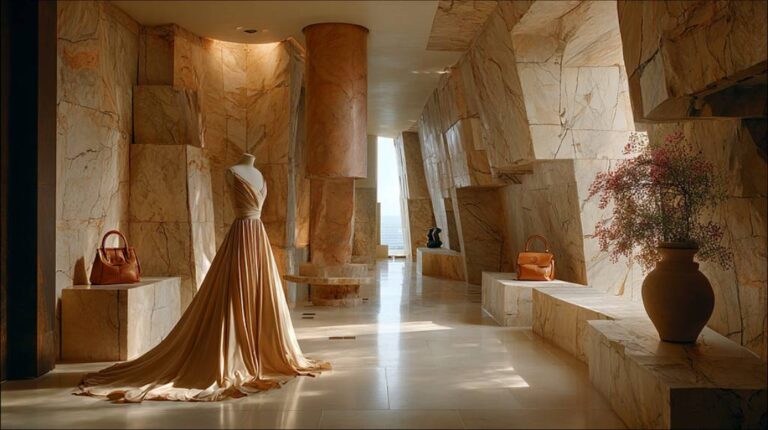
Stone plays a central role in this translation because it carries with it a language of scarcity and provenance. Not all stone is equal, and within the spectrum of available materials, certain types are associated with deeper histories of extraction, craftsmanship, and controlled distribution. However, the value does not lie in abundance. In fact, it is often the opposite. The most culturally charged interiors use stone sparingly. They resist overstatement. They allow material to operate within a framework of restraint.
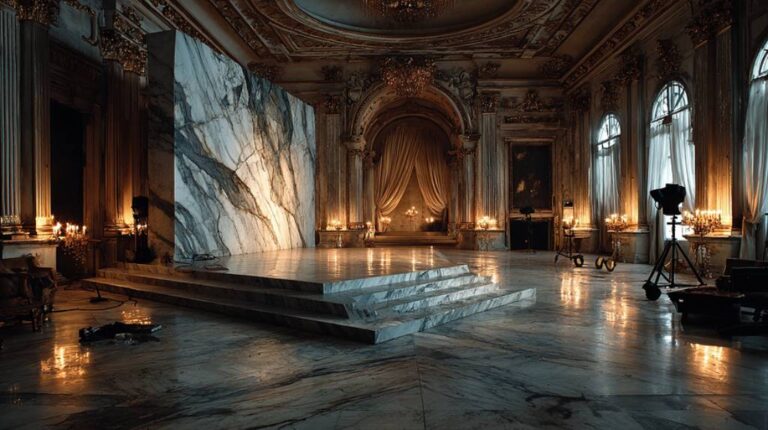
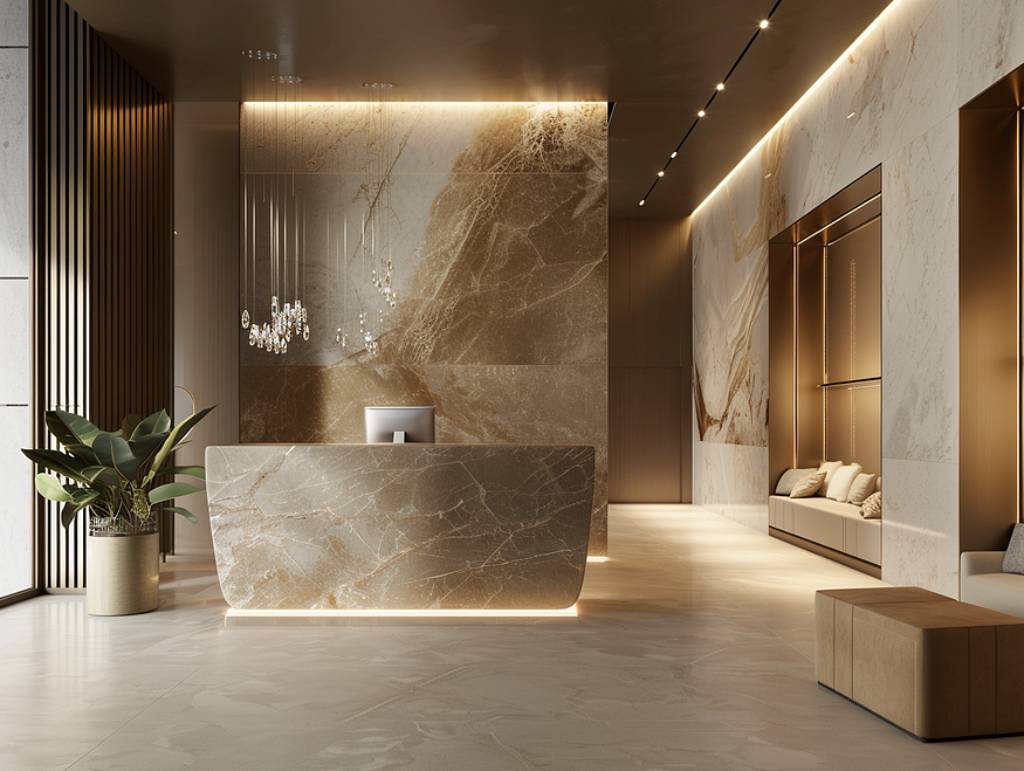
This restraint is critical. Cultural capital is rarely communicated through excess. It is communicated through control. A space that is saturated with expensive materials may signal wealth, but it does not necessarily signal taste. Taste, in Bourdieu’s sense, is about distinction, the ability to choose not just what is valuable, but how it is deployed. In this context, the placement of stone becomes as important as the stone itself. A single, precisely located surface can carry more meaning than an entire room clad without variation.
Provenance adds another layer to this reading. The origin of a material, the knowledge of its source, and the ability to articulate its journey contribute to its cultural weight. This is not simply about geography. It is about familiarity with systems of production, access to information, and the ability to navigate networks that are not immediately visible. When stone is selected with an awareness of its provenance, it becomes more than a surface, it becomes a reference point within a broader cultural conversation.
What emerges from this is a shift from material as object to material as language. Interiors begin to function less as collections of finishes and more as compositions of signals. The role of the designer, then, is not only to assemble materials, but to curate meaning. Each decision like what to include, what to omit, and how to position all contributes to a narrative that is read, often unconsciously, by those who encounter the space.
This also explains why repetition can dilute value. When a particular type of stone becomes ubiquitous, its ability to signal distinction diminishes. What was once rare becomes familiar, and familiarity reduces its cultural charge. In response, high-end interiors often shift toward subtler expressions like less obvious materials, more controlled applications, and a greater emphasis on how elements are combined rather than what they are individually.
There is, however, a risk in reducing this entirely to strategy. Cultural capital is most effective when it appears unforced. Over-articulation can undermine its impact. The most compelling interiors are those where decisions feel inevitable, where restraint is not perceived as limitation but as clarity. This requires a level of discipline that extends beyond material selection into spatial composition, lighting, and proportion.
Ultimately, to read stone as cultural capital is to recognise that luxury is not simply about possession. It is about positioning. It is about understanding how materials operate within systems of meaning and how those systems are perceived by others. Stone, in this sense, is not valuable because it is rare.
It is valuable because it is understood. And in luxury interiors, understanding is what distinguishes presence from noise.